
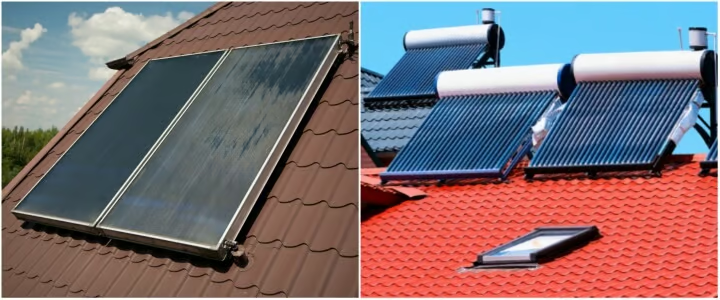
As the world shifts towards sustainable energy solutions, solar water heaters have become an attractive option for households and businesses looking to reduce their carbon footprint. In this article, we’ll delve into the world of thermal solar panels, exploring their benefits, types, installation options, and more.
What are Solar Water Heaters?
Solar water heaters use the power of sunlight to heat water for various applications, such as bathing, cleaning, and cooking. These systems harness the energy from the sun’s rays to produce warm water, reducing the need for traditional fuel-based heating methods.
Benefits of Solar Water Heaters
There are numerous advantages to using solar water heaters:
- Renewable Energy Source: Solar water heaters tap into the abundant energy provided by the sun, making them an environmentally friendly option.
- Cost Savings: By utilizing free sunlight, solar water heaters can significantly reduce energy bills and save households money in the long run.
- Low Maintenance: Many solar water heater systems require minimal upkeep, as they’re designed to operate efficiently with little human intervention.
Types of Solar Water Heaters
There are several types of solar water heaters available, each with its unique characteristics:
1. Solar Water Heaters with Circulation
These systems use a circulation pump to distribute the heated water throughout the system. They’re more expensive than other types but offer greater efficiency and flexibility.
- Circulation Pump: A small electric pump that circulates the heated water through the system.
- Thermostat Control: Regulates the temperature of the water to ensure it reaches the desired level.
2. Solar Water Heaters with Natural Circulation
These systems rely on gravity to circulate the heated water, eliminating the need for a pump. They’re simpler and less expensive than other types but may require more maintenance.
- Gravity-Driven Circulation: The heated water flows through the system due to its lower density.
- Open Loop Systems: These systems don’t involve closed loops or pipes, reducing the risk of contamination.
3. Solar Water Heaters with Forced Circulation
These systems use a pump and control system to circulate the heated water, offering greater efficiency and flexibility than natural circulation systems.
- Centralized Control System: Regulates the temperature and flow rate of the heated water.
- Thermostat Control: Ensures the water reaches the desired temperature.
Installation Options
Solar water heaters can be installed in various locations, depending on the system type and climate:
- Roof-Mounted Systems: Installed directly on rooftops, these systems take advantage of the sun’s rays.
- Ground-Mounted Systems: Buried beneath the ground, these systems provide additional protection from weather conditions.
Choosing the Right Solar Water Heater System
When selecting a solar water heater system, consider the following factors:
- Climate and Location: Choose a system suitable for your local climate and available space.
- Budget and Energy Requirements: Select a system that meets your energy needs while staying within your budget.
- Maintenance and Upkeep: Opt for a system with minimal maintenance requirements to ensure long-term efficiency.
Best Practices for Solar Water Heater Installation
To ensure optimal performance from your solar water heater, follow these best practices:
- Assess Your Energy Needs: Determine how much energy you need to heat water for various applications.
- Select the Right System: Choose a system that meets your energy needs and budget requirements.
- Install the System Properly: Ensure proper installation by hiring a qualified professional or following manufacturer instructions.
- Regular Maintenance: Regularly inspect and maintain your solar water heater to ensure optimal performance.
Common Mistakes to Avoid in Solar Water Heater Installation
To avoid common mistakes that can affect solar water heater performance, be aware of the following:
- Inadequate Installation: Improper installation can lead to reduced efficiency and increased maintenance needs.
- Insufficient Sizing: Under-sized systems may not meet energy demands, while over-sized systems can waste resources.
- Poor Maintenance: Neglecting regular maintenance can reduce system performance and lifespan.
Conclusion
Solar water heaters offer an attractive solution for households and businesses looking to reduce their environmental impact. By understanding the benefits, types, and installation options available, you can make an informed decision when selecting the right solar water heater system for your needs.
Frequently Asked Questions
Q: How do solar water heaters work?
A: Solar water heaters use the power of sunlight to heat water for various applications.
Q: What are the benefits of using solar water heaters?
A: Solar water heaters offer numerous advantages, including renewable energy, cost savings, and low maintenance requirements.
Q: What types of solar water heaters are available?
A: There are several types of solar water heaters, including systems with circulation, natural circulation, and forced circulation.
Q: How do I choose the right solar water heater system?
A: Consider factors such as climate and location, budget and energy requirements, and maintenance needs when selecting a system.
Q: Are solar water heaters suitable for all climates?
A: While solar water heaters can be used in various climates, they’re best suited for regions with high levels of sunlight and moderate temperatures.
Q: Can I use solar water heaters for heating purposes only?
A: Solar water heaters are designed primarily for water heating applications. However, some systems may be suitable for heating other fluids or materials under specific conditions.
Q: Are there any environmental concerns associated with solar water heaters?
A: While solar water heaters offer numerous benefits, they can have a small carbon footprint due to the production and transportation of equipment.
Q: Can I install a solar water heater system myself?
A: Installing a solar water heater system may be possible for experienced individuals, but it’s generally recommended to hire a professional installer to ensure proper installation and performance.


