
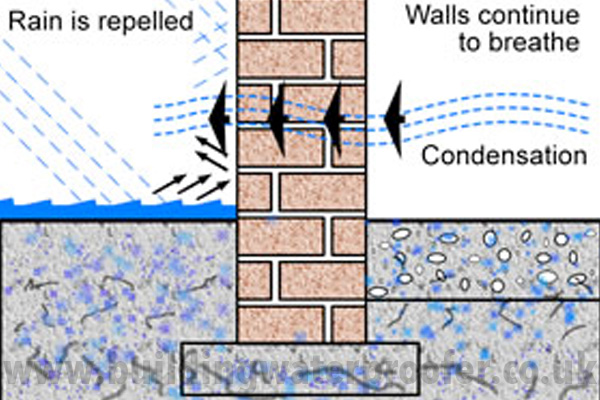
As the old adage goes, “nature abhors a vacuum.” In the context of building and construction, this phrase takes on a new meaning. When it comes to waterproofing a wall, the primary concern is not just to prevent water from entering the wall, but also to create an environment that is inhospitable to moisture and humidity.
In this article, we will delve into the world of waterproofing walls, exploring various methods and techniques for ensuring that your walls remain dry and free from damage. Whether you’re a seasoned DIY enthusiast or a novice homeowner, this guide will provide you with the knowledge and expertise needed to tackle even the most daunting waterproofing projects.
Understanding the Importance of Waterproofing
Before we dive into the nitty-gritty details of waterproofing, it’s essential to understand why this process is so crucial. Water can cause significant damage to walls, leading to costly repairs and potentially even structural issues. When water seeps into a wall, it can create an ideal environment for mold and mildew growth, which can further exacerbate the problem.
In addition to aesthetic concerns, waterproofing is also critical from a safety perspective. Standing water or damp conditions in a wall can lead to slips, trips, and falls, creating a hazard that can put everyone in the household at risk.
Methods of Waterproofing
There are several methods for waterproofing walls, each with its own unique benefits and drawbacks. Here are some of the most common techniques:
Exterior Waterproofing
Exterior waterproofing involves applying a barrier to the exterior surface of the wall to prevent water from entering. This can be achieved using various materials, including:
- Silicone-based sealants
- Polyurethane coatings
- Bituminous membranes
When it comes to exterior waterproofing, it’s essential to consider the following factors:
- Climate: In areas with high humidity or extreme weather conditions, exterior waterproofing may need to be reapplied more frequently.
- Surface preparation: Ensure that the wall surface is clean and free of debris before applying the waterproofing barrier.
Interior Waterproofing
Interior waterproofing involves treating the interior surface of the wall to prevent moisture from entering. This can be achieved using various materials, including:
- Paints with built-in waterproofing agents
- Sealants specifically designed for interior use
- Coatings that provide a hydrophobic barrier
When it comes to interior waterproofing, consider the following factors:
- Surface preparation: Ensure that the wall surface is clean and free of debris before applying the waterproofing treatment.
- Type of finish: If you plan to apply paint or varnish over the waterproofing treatment, choose a product that is compatible with the sealant.
Resin-Based Waterproofing
Resin-based waterproofing involves using a specialized resin to create a barrier on the wall surface. This method offers excellent durability and adhesion, making it an ideal choice for high-traffic areas or walls exposed to harsh weather conditions.
When working with resin-based waterproofing, keep the following in mind:
- Preparation is key: Ensure that the wall surface is clean and free of debris before applying the resin.
- Follow manufacturer instructions: Adhere strictly to the product manufacturer’s instructions for application and drying times.
DIY Waterproofing Solutions
While professional-grade waterproofing solutions are available, there are also numerous DIY-friendly options that can help you achieve a waterproof seal. Some popular DIY solutions include:
- Paints with built-in waterproofing agents
- Sealants specifically designed for interior use
- Coatings that provide a hydrophobic barrier
When choosing a DIY waterproofing solution, consider the following factors:
- Surface preparation: Ensure that the wall surface is clean and free of debris before applying the sealant.
- Type of finish: If you plan to apply paint or varnish over the waterproofing treatment, choose a product that is compatible with the sealant.
Best Practices for Waterproofing
To ensure that your waterproofing project is successful, follow these best practices:
- Assess the wall condition: Before applying any waterproofing solution, assess the wall’s condition to determine if it requires additional repairs or preparation.
- Choose the right product: Select a waterproofing material that is suitable for your specific needs and climate conditions.
- Follow manufacturer instructions: Adhere strictly to the product manufacturer’s instructions for application and drying times.
Common Mistakes to Avoid
When it comes to waterproofing, there are several common mistakes to avoid. Here are some of the most common errors:
- Insufficient surface preparation: Failing to clean and prepare the wall surface before applying a waterproofing solution can lead to poor adhesion and reduced effectiveness.
- Choosing an incompatible product: Selecting a waterproofing material that is not compatible with the type of finish or surface you’re using can result in a failed seal.
- Ignoring manufacturer instructions: Failing to follow the manufacturer’s instructions for application and drying times can lead to a subpar seal.
Tips for a Successful Waterproofing Project
To ensure a successful waterproofing project, here are some additional tips:
- Use high-quality materials: Choose reputable brands and products that have been proven effective in various applications.
- Follow local building codes: Familiarize yourself with local building codes and regulations to ensure compliance.
- Test the sealant: Before applying the waterproofing solution, test it on a small area of the wall to ensure compatibility and effectiveness.
Frequently Asked Questions
- What is the most effective way to waterproof a wall?
- The most effective method depends on the specific needs and conditions of the wall. Exterior or interior waterproofing may be more suitable depending on whether you’re treating the exterior surface or the interior surface of the wall.
- How often do I need to reapply a waterproofing sealant?
- Reapplication frequency varies depending on climate, weather conditions, and material type. Be sure to follow manufacturer instructions for specific product recommendations.
- Can I use paint as a waterproofing solution?
- Paints with built-in waterproofing agents may be suitable for interior use, but their effectiveness is generally limited compared to specialized sealants or coatings.
- What types of materials are best suited for exterior waterproofing?
- Silicone-based sealants and polyurethane coatings are popular choices for exterior waterproofing due to their durability and adhesion properties.
- How do I prepare a wall surface before applying a waterproofing treatment?
- Ensure the wall surface is clean, dry, and free of debris before applying any waterproofing solution or material.
By following this comprehensive guide, you’ll be well-equipped to tackle even the most challenging waterproofing projects and create a safe, durable, and long-lasting barrier for your walls.


