
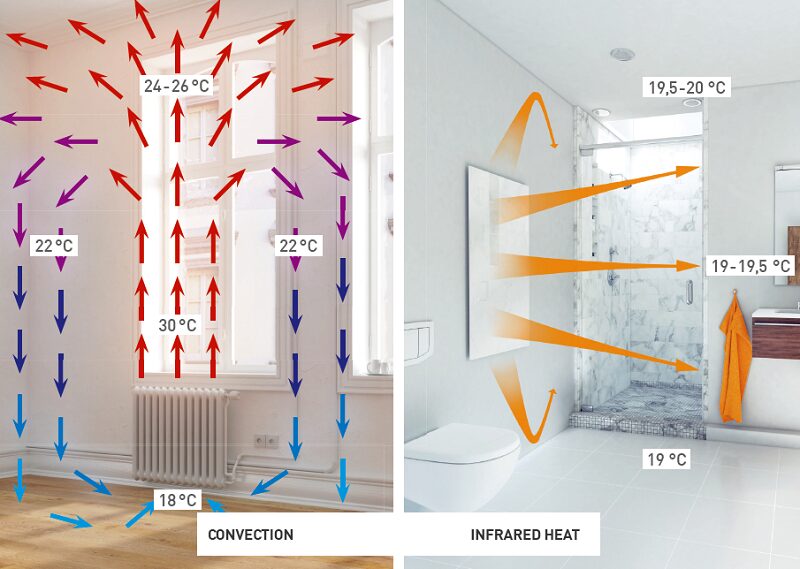
Have you ever wondered how to warm up a large space without breaking the bank or requiring extensive infrastructure? Infrared heating might be just what you need. This innovative technology uses electromagnetic waves to transfer heat, eliminating the need for direct contact between hot and cold surfaces.
Unlike traditional heating methods that rely on conduction, infrared heating is like a long-distance hug from the sun itself. It travels through the air, even in the vacuum of space, much like how the Sun’s rays illuminate our planet from 150 million kilometers away. Even in high-altitude winter days, you can bask in the warmth of the sun without needing to bundle up in layers.
So, when is infrared heating convenient? Let’s explore some scenarios where this technology shines:
1. Large Spaces
Infrared heating is perfect for massive areas like churches, gyms, warehouses, and hangars where traditional heating systems would be too expensive or impractical. By strategically placing radiating panels, you can warm up specific zones without heating the entire space.
For instance, a church with a large sanctuary and choir loft might use infrared heaters to create a comfortable temperature for worship services while keeping energy costs low. Similarly, an industrial warehouse could utilize infrared heating to maintain a stable temperature during long storage periods.
2. Outdoor Events
Imagine enjoying a warm cup of coffee on a chilly winter evening while watching a sports game at an outdoor stadium. Infrared heaters can make this possible, providing instant warmth without the need for expensive infrastructure.
Outdoor events like festivals, concerts, or sporting events often require temporary heating solutions to keep attendees comfortable. Infrared heaters are ideal for these situations because they’re easy to set up and can be placed strategically around the venue.
3. High-Dispersion Areas
In areas with high dispersion rates (e.g., near air vents or windows), traditional heating systems struggle to maintain even temperatures. Infrared heating is the solution here, as it can warm up specific zones without being affected by external factors.
For example, in a modern office building, infrared heaters could be installed in the vicinity of large air conditioning units or heat exchangers to minimize temperature fluctuations.
4. Brief Heating Sessions
For short-term events like church services, sports games, or parties, infrared heaters are ideal. They heat up instantly and provide a quick burst of warmth, eliminating the need for prolonged infrastructure setup.
In such cases, infrared heating is particularly useful because it doesn’t require any complicated piping systems or electrical connections, making it easier to set up and take down quickly.
In home settings, infrared heaters can be useful in specific situations:
- Quickly warming up a room that’s been left unheated.
- Providing a cozy atmosphere near a TV or fireplace.
Choosing the Right Infrared Heating System
When selecting an infrared heating system, consider the following factors:
- Availability and cost of fuel (gas or electricity)
- Installation height of radiating panels
- Space size and layout
It’s also important to choose a system that suits your specific needs, such as energy efficiency, noise level, and air circulation.
A major advantage of infrared heating systems is that they don’t require extensive infrastructure beyond the installation of tubes and cables. This means minimal impact on your building’s architecture.
Types of Infrared Heating Systems
There are several types of infrared heating systems available, each with its own strengths and weaknesses:
- Radiant Ceiling Panels: These are suspended from the ceiling to radiate heat downwards.
- Floor-Based Radiators: These are installed under floors to warm up spaces.
- Portable Infrared Heaters: These are compact units that can be placed on furniture or in corners.
When selecting an infrared heating system, consider the following factors:
- Space constraints: Choose a system that fits your available space.
- Budget: Consider both initial costs and long-term energy savings.
- Comfort level: Select a system with adjustable temperature settings to ensure optimal comfort.
Benefits of Infrared Heating
Infrared heating offers several advantages over traditional heating methods:
- Energy Efficiency: Infrared heating systems can provide significant energy savings, especially in well-insulated spaces.
- Low Operating Costs: Once installed, infrared heating systems are relatively inexpensive to operate.
- Reduced Infrastructure Requirements: Infrared heating doesn’t require extensive infrastructure beyond installation of tubes and cables.
Limitations of Infrared Heating
While infrared heating has many benefits, there are some limitations to consider:
- Initial Cost: While long-term energy savings can offset initial costs, the upfront investment may still be a barrier for some users.
- Space Requirements: Some infrared heating systems require more space than others, so choose a system that fits your available area.
- Noise Level: Some infrared heating systems can produce noise, especially when operating at high temperatures.
Safety Considerations
When using infrared heating systems, it’s essential to consider the following safety factors:
- Proper Installation: Ensure that the system is installed by a qualified professional to prevent accidents or injuries.
- Regular Maintenance: Regularly check and maintain the system to ensure optimal performance and safety.
- Fire Risks: Be aware of potential fire hazards associated with infrared heating systems, especially when using gas-based solutions.
Air Circulation: A Crucial Factor
Air circulation plays a crucial role in infrared heating systems, especially for those using gas-based solutions. Ensure good air flow to maintain efficient heat transfer and prevent overheating.
To achieve optimal air circulation:
- Position Radiating Panels Correctly: Place radiating panels at an angle to direct heat towards the desired area.
- Maintain Good Ventilation: Regularly check ventilation rates in your space to ensure adequate airflow.
- Monitor Temperature: Keep a close eye on temperature levels to prevent overheating.
Environmental Impact
Infrared heating systems can have a minimal environmental impact, especially when compared to traditional heating methods:
- No Fossil Fuel Dependence: Some infrared heating systems use alternative fuels or electricity, reducing dependence on fossil fuels.
- Low Emissions: Infrared heaters produce minimal emissions and waste products.
- Energy Efficiency: By using electromagnetic waves to transfer heat, infrared heating systems can provide significant energy savings.
However, it’s essential to consider the production process for your chosen system:
- Material Selection: Choose materials that minimize environmental impact during manufacturing.
- Disposal Considerations: Plan for responsible disposal of used or obsolete infrared heating components.
Integrating Infrared Heaters with Smart Home Systems
Many modern infrared heaters can be controlled and monitored through popular smart home platforms, allowing you to optimize energy efficiency, comfort levels, and safety:
- Temperature Control: Adjust temperature settings remotely using smartphones or tablets.
- Scheduled Operation: Program your system to operate during specific times of the day or week.
- Remote Monitoring: Track energy usage, temperature, and system performance in real-time.
Special Considerations for People with Medical Conditions
As with any heating system, consult a healthcare professional before using infrared heaters if you have specific concerns or health issues:
- Sensitivity to Radiation: Some individuals may be sensitive to electromagnetic radiation, so take necessary precautions.
- Heart Conditions: Certain heart conditions can be exacerbated by increased heat levels; use caution when operating infrared heating systems.
Infrared Heating Systems for Specific Industries
Infrared heating technology is widely used across various industries:
- Healthcare: Use infrared heaters in hospitals and clinics to maintain comfortable temperatures without disrupting treatment sessions.
- Retail: Install infrared heating panels near storefronts or shopping areas to create a cozy atmosphere and attract customers.
- Entertainment: Apply infrared heating systems at stadiums, arenas, or concert halls to enhance spectator comfort.
Infrared Heating Systems for Residential Use
Residential users can benefit from infrared heaters in various ways:
- Space Heaters: Portable infrared heaters are perfect for small spaces, such as bedrooms or living rooms.
- Zone Heating: Install radiating panels to warm up specific zones within a larger space.
When selecting an infrared heating system for residential use, consider factors like energy efficiency, noise level, and air circulation:
- Residential Space Size: Choose a system that suits your available space, taking into account any obstructions or corners.
- Comfort Level: Opt for adjustable temperature settings to ensure optimal comfort in your specific environment.
In conclusion, infrared heating technology offers numerous benefits, including energy efficiency, low operating costs, and reduced infrastructure requirements. By choosing the right infrared heating system and considering factors like air circulation and safety precautions, you can enjoy a cozy atmosphere while minimizing environmental impact. Whether used for large spaces, outdoor events, or residential applications, infrared heating is an innovative solution that shines in various scenarios.


