
As you navigate the world of home heating, one question often arises: is it worth investing in a heat pump system? In this article, we’ll delve into the benefits and drawbacks of heat pumps, exploring their effectiveness, costs, and incentives.
What is a Heat Pump System?
A heat pump system uses refrigeration to transfer heat from one location to another, providing both heating and cooling. Unlike traditional boilers or heaters, which burn fuel to produce warmth, heat pumps extract heat from the air, ground, or water, making them a more efficient and environmentally friendly option.
Do Heat Pumps Really Deliver?
The answer is a resounding yes. According to various studies, heat pumps can reduce energy consumption by up to 70-75% compared to traditional boilers. This translates to significant cost savings for homeowners, particularly those with high heating demands. For example, a family of four consuming 1,350 kWh annually could save around €235 by switching to a heat pump system.
How Much Will It Cost?
While the initial investment in a heat pump system can be substantial, the long-term benefits and incentives make it an attractive option. In Italy alone, there are over 10 million existing boilers that consume excessive amounts of energy, offering ample opportunities for homeowners to adopt more efficient heating solutions.
Types of Heat Pump Systems
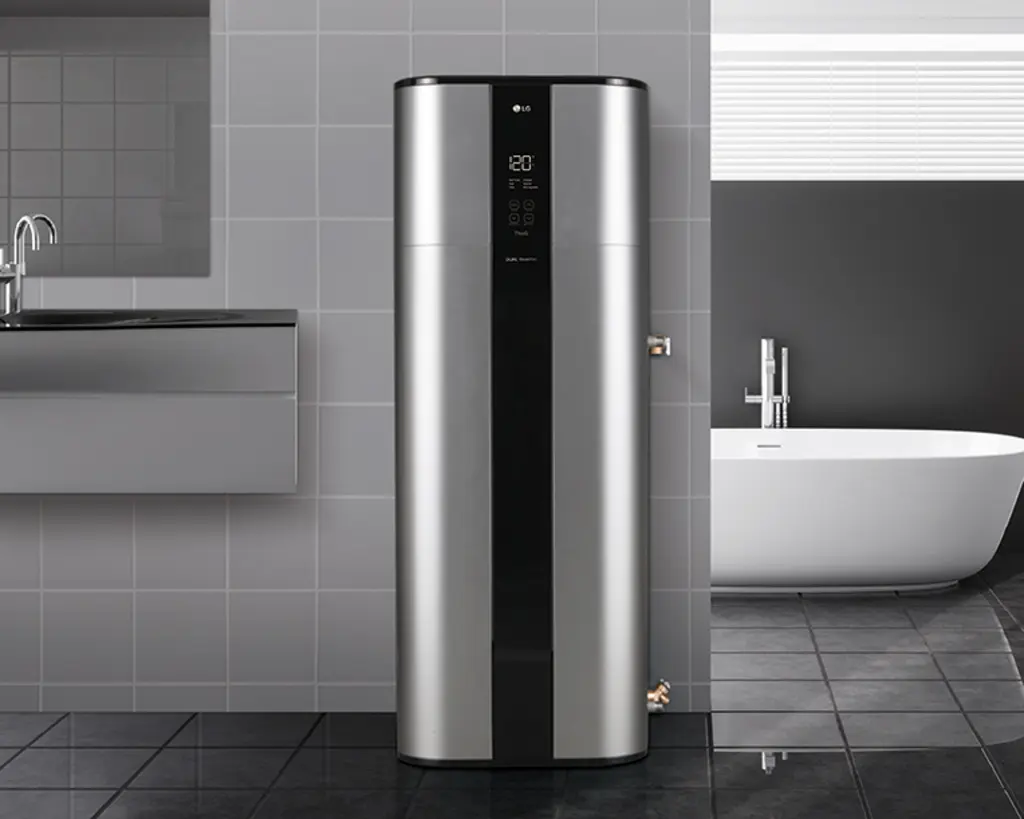
Heat pumps come in various forms, including wall-mounted, floor-standing, and split systems with different capacities (ranging from 80 liters to over 200 liters). Before making a decision, it’s essential to understand the specifics of each model, considering factors like energy efficiency, noise levels, and maintenance requirements.
Incentives and Financial Incentives
To encourage homeowners to adopt more efficient heating solutions, governments offer various incentives. These include:
- Bonus Ristrutturazioni: This bonus provides a 50% tax rebate on the purchase price of a heat pump system if it’s installed in conjunction with an energy-efficient renovation project.
- Ecobonus: This incentive offers a minimum 36% tax refund on the purchase price of a heat pump system if it’s acquired before December 31, 2016. For systems purchased between January 1, 2015, and December 31, 2015, the Ecobonus provides up to 65%.
- Conto Termico: This financial incentive is not time-limited and can be claimed for purchases made in conjunction with an energy-efficient renovation project.
Choosing the Right Heat Pump System
With so many options available, selecting the perfect heat pump system can seem daunting. Consider factors like your home’s size, insulation, and energy efficiency when deciding which model suits you best.
Frequently Asked Questions
Here are some answers to common questions regarding heat pumps:
- What is the minimum age of a house for installing a heat pump?
There is no specific minimum age requirement. However, it’s recommended that the house has been well-insulated and maintained before installing a heat pump system. - Do heat pumps work in cold climates?
Yes, heat pumps can function effectively even in extremely cold temperatures. However, it’s essential to choose a model designed for your specific climate zone. - Can I use my existing boiler with a heat pump system?
It depends on the type of heat pump system you’ve chosen and the configuration of your home. In some cases, it may be possible to install both systems simultaneously, while in others, you might need to choose one or the other.
Benefits of Heat Pumps
In addition to cost savings, heat pumps offer several other benefits:
- Environmental Impact: By reducing energy consumption and greenhouse gas emissions, heat pumps contribute to a more sustainable future.
- Low Maintenance: Heat pump systems require minimal maintenance, as they are designed to operate efficiently and quietly.
- Increased Property Value: Installing a heat pump system can increase your property value, making it more attractive to potential buyers.
Challenges and Limitations
While heat pumps offer numerous benefits, there are also some challenges and limitations to consider:
- Higher Upfront Costs
The initial investment in a heat pump system can be substantial, although the long-term savings make up for this. - Noise Levels
Some heat pump systems can generate noise, particularly during startup or when operating at high capacities. - Space Requirements
Depending on the type of heat pump system you choose, it may require additional space in your home.
Conclusion
In conclusion, heat pumps offer an efficient and cost-effective solution for home heating. With the right incentives and planning, homeowners can significantly reduce their energy bills and contribute to a more sustainable future. While there are some challenges and limitations to consider, the benefits of heat pumps far outweigh these drawbacks.
Recommendations
If you’re considering investing in a heat pump system, here are some recommendations:
- Consult with a Professional: Before making a decision, consult with a professional installer who can assess your home’s specific needs and provide personalized recommendations.
- Research Different Models: Research different heat pump models to find the one that best suits your budget and energy requirements.
- Take Advantage of Incentives: Take advantage of available incentives, such as tax rebates or financial assistance programs.
By following these steps and considering the benefits and challenges of heat pumps, you can make an informed decision about whether a heat pump system is right for you.


