
As the world shifts towards renewable energy, many businesses are turning to solar panels as a way to reduce their carbon footprint and save on energy costs. But what about when incentives for solar installations start to dry up? Can businesses still make the most of this technology without government support?
In recent years, we’ve seen a significant increase in the adoption of solar panels by businesses around the world. From small startups to large corporations, companies are recognizing the numerous benefits of harnessing the power of the sun. But what makes solar energy so attractive? And how can businesses integrate solar panels into their operations without relying on government incentives?
In this article, we’ll take a closer look at Pressvit Srl, a company in Zibido San Giacomo, Milan, that has successfully integrated two solar panel systems into their office building. We’ll explore the benefits of integrated solar systems, the technology behind them, and innovative financing models that allow businesses to recover costs without government incentives.
A New Era of Solar Energy
The world’s reliance on fossil fuels is changing rapidly. Governments are implementing policies to reduce greenhouse gas emissions, and businesses are looking for ways to adapt. One way to do this is by investing in renewable energy sources like solar power.
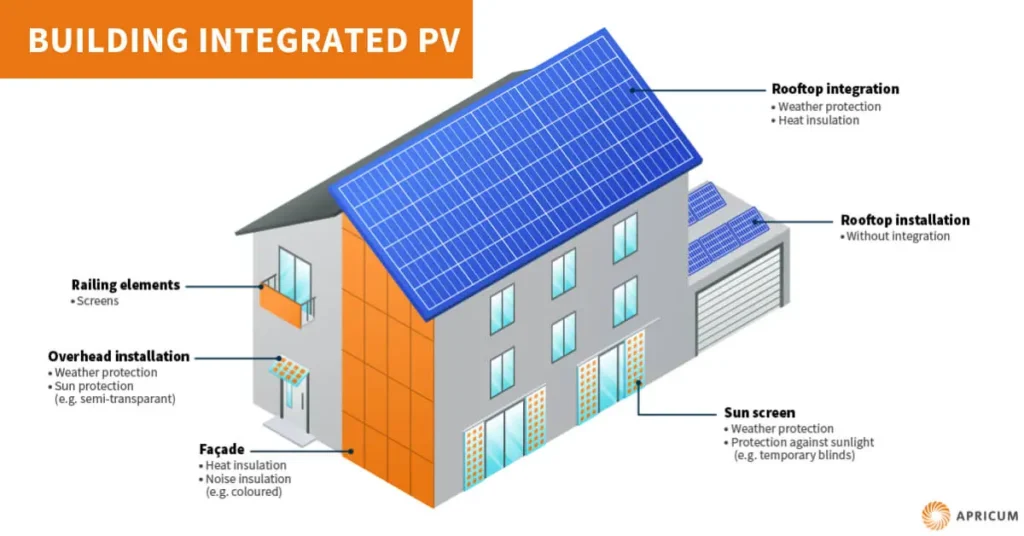
Pressvit Srl has chosen to integrate two solar panel systems into their office building. The first system consists of a rooftop solar array with a capacity of 60 kWp, while the second system is an integrated system with a capacity of 33 kWp. Both systems are designed to optimize energy consumption and increase efficiency.
The Benefits of Integrated Solar Systems
Integrated solar systems like Pressvit’s offer several benefits for businesses. Firstly, they can reduce energy costs by generating electricity on-site and reducing dependence on the grid. Secondly, they can increase property value by providing a unique selling point that sets the business apart from competitors.
But what makes integrated solar systems so special? The answer lies in the fact that the solar panels are designed to work seamlessly with the building’s architecture. In Pressvit’s case, the modular design of the panels allows them to be used as a surface for the roof, creating a sleek and modern look.
The Technology Behind Integrated Solar Systems
So, what makes integrated solar systems tick? The key technology behind these systems is the use of high-efficiency solar panels. In this case, Pressvit has chosen Conergy EcoPro modules with a capacity of 250W each. These panels are designed to be lightweight and compact, making them ideal for rooftop installations.
But that’s not all. Pressvit has also upgraded their existing lighting system to LED technology, which provides energy efficiency and reduces energy consumption. By combining solar power with energy-efficient lighting, Pressvit has achieved a significant reduction in energy costs – 54% to be exact.
Innovative Financing Models
So, how can businesses like Pressvit Srl achieve the benefits of solar energy without government incentives? The answer lies in innovative financing models. One such model is the “scambio sul posto” or on-site exchange scheme, which allows businesses to sell excess electricity back to the grid.
This means that even though there are no government incentives available, Pressvit can still recover some of the costs associated with installing solar panels. By harnessing the power of the sun and selling excess energy, businesses can make a significant return on investment – even without subsidies.
Case Study: Pressvit Srl
Pressvit Srl is a company in Zibido San Giacomo, Milan, that has successfully integrated two solar panel systems into their office building. The first system consists of a rooftop solar array with a capacity of 60 kWp, while the second system is an integrated system with a capacity of 33 kWp.
By combining solar power with energy-efficient lighting, Pressvit has achieved significant reductions in energy costs – 54% to be exact. But what makes their system truly unique is the use of modular solar panels that can be used as a surface for the roof, creating a sleek and modern look.
Conclusion
The world is changing rapidly, and businesses must adapt to meet the challenges of climate change. By integrating solar panels into their operations, companies like Pressvit Srl are setting a new precedent for the industry.
With innovative financing models and cutting-edge technology, it’s now possible for businesses to harness the power of solar energy without government incentives. Whether you’re looking to reduce your carbon footprint or save on energy costs, integrated solar systems are an attractive option.
Frequently Asked Questions
- What is integrated solar system?
An integrated solar system is a type of solar panel system that combines multiple components, such as solar panels and inverters, into one cohesive unit. - Can I install solar panels without incentives?
Yes, you can install solar panels without government incentives. Innovative financing models, like the “scambio sul posto” scheme, allow businesses to recover some of the costs associated with installing solar panels. - How do integrated solar systems work?
Integrated solar systems use a combination of solar panels and inverters to generate electricity on-site. The energy is then fed into the building’s electrical system or sold back to the grid through the “scambio sul posto” scheme. - What are the benefits of integrated solar systems?
Integrated solar systems offer several benefits, including reduced energy costs, increased property value, and a unique selling point that sets businesses apart from competitors. - Can I use integrated solar systems for commercial properties?
Yes, integrated solar systems can be used for commercial properties as well as residential ones. In fact, many businesses are finding that these systems offer significant benefits in terms of energy savings and increased property value. - How long does it take to recover the costs of installing solar panels?
The time it takes to recover the costs of installing solar panels varies depending on factors like energy prices and usage patterns. However, with innovative financing models like the “scambio sul posto” scheme, businesses can start recovering some of their costs relatively quickly. - Can I sell excess energy back to the grid?
Yes, you can sell excess energy back to the grid through schemes like the “scambio sul posto”. This means that even without government incentives, businesses can still make a significant return on investment by harnessing the power of solar energy. - How do I choose the right integrated solar system for my business?
To choose the right integrated solar system for your business, consider factors like energy usage patterns, roof size and orientation, and local building codes and regulations. It’s also a good idea to consult with a professional solar installer to ensure that your chosen system meets all of these requirements. - Can I integrate solar panels with other renewable energy sources?
Yes, you can integrate solar panels with other renewable energy sources like wind power or geothermal energy. This can create a hybrid system that offers even greater benefits in terms of energy savings and reduced carbon emissions. - What’s the future of integrated solar systems?
The future of integrated solar systems looks bright. As governments continue to implement policies aimed at reducing greenhouse gas emissions, businesses will need to find innovative ways to meet these challenges. Integrated solar systems offer a promising solution that can help businesses reduce their energy consumption and carbon footprint while also generating significant returns on investment.


