
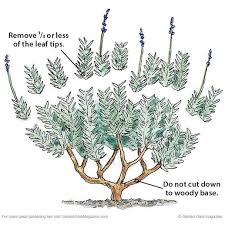
Lavender is a popular herb known for its calming properties, fragrant flowers, and low maintenance requirements. One crucial aspect of cultivating lavender is pruning, which plays a significant role in maintaining the health, structure, and productivity of your plants. In this article, we will delve into the world of lavender pruning, exploring when to prune, how to prune, and why it’s so important.
Understanding the Importance of Pruning in Lavender Cultivation
Pruning is essential for promoting healthy growth, encouraging new shoots to grow, and controlling the plant’s size. When done correctly, pruning can also enhance the appearance of your lavender plants, making them more attractive and desirable.
The Types of Lavender Plants
Before we dive into the nitty-gritty of pruning, let’s take a look at the different types of lavender plants. The two most common species are Lavandula angustifolia (English lavender) and Lavandula x intermedia (hybrid lavender). These species have numerous varieties, making it essential to know which type you’re working with.
Why Pruning is Crucial for Lavender Health
Pruning plays a significant role in maintaining the health of your lavender plants. When pruning is done correctly, it:
- Promotes bushy growth and prevents the plant from becoming leggy
- Encourages new shoots to grow, resulting in more flowers
- Helps control the plant’s size, preventing overgrowth
Pruning Young Lavender Plants
When pruning young lavender plants, focus on shaping their structure. Prune them immediately after planting or during their first growing season to create a strong foundation.
The Best Time to Prune Lavender
There are two main pruning periods for lavender: the initial pruning in spring and the annual pruning in summer. In the spring, prune your lavender plant in late winter or early spring to promote new growth and encourage flowers. During the summer, perform an annual pruning to maintain shape, stimulate new growth, and control the plant’s size.
Pruning Techniques
When it comes to pruning, there are two main approaches: cutting back to the base (topping) and reducing the length of the stems (pinching). Cutting back to the base is a more extreme approach that should be used sparingly. Pinching is a gentler method that encourages bushy growth.
Pruning Lavender for Maximum Yield
To maximize your lavender’s yield, focus on pruning the new growth that appears during the growing season. Prune these stems to about 5 cm in length, removing any dead or damaged wood. This technique will help control the plant’s size and encourage more flowers.
Caring for Your Lavender Plants
While pruning is crucial for your lavender plants’ health, there are other factors to consider when caring for them:
- Sunlight: Lavender needs full sun to thrive; if it doesn’t receive direct sunlight, it may not produce many flowers.
- Watering: Lavender prefers well-draining soil and should only be watered during the summer months when the temperature is consistently above 60°F (15°C).
- Fertilization: Lavender does not require a lot of fertilizer; a balanced, water-soluble fertilizer applied in the spring will suffice.
Planting Lavender as a Hedge or Individual Plant
If you want to create a lavender hedge or plant individual plants, there are specific guidelines to follow:
- Hedge: To create a lavender hedge, space the plants 35-40 cm apart.
- Individual Plant: For individual plants, space them 80 cm apart.
Conclusion
Pruning your lavender plants is an essential part of their care. By following these guidelines and techniques, you’ll be able to maximize your yield and enjoy beautiful, healthy lavender blooms all season long.
Frequently Asked Questions (FAQs)
- When should I prune my lavender plant?
- Prune in the spring for new growth and in the summer for annual pruning.
- How often should I prune my lavender plant?
- Prune your lavender plant immediately after planting or during their first growing season, followed by an annual pruning in summer.
- Why is pruning so important for lavender plants?
- Pruning helps promote bushy growth, encourages new shoots to grow, and controls the plant’s size, resulting in more flowers.
- What type of fertilizer should I use on my lavender plants?
- Use a balanced, water-soluble fertilizer applied in the spring for optimal results.
- Can I prune my lavender hedge in different seasons?
- Prune your lavender hedge in late winter or early spring to promote new growth and control its size.
- How often should I water my lavender plants?
- Water your lavender plant only during the summer months when the temperature is consistently above 60°F (15°C).
- Can I use pruning shears on my lavender plants?
- Use sharp, clean pruning shears to prevent spreading diseases.
- What should I do with dead or damaged wood on my lavender plants?
- Remove any dead or damaged wood to prevent the spread of disease and encourage healthy growth.
By following these guidelines and techniques, you’ll be well on your way to becoming a master lavender pruner and enjoying the many benefits that this beautiful plant has to offer.


