
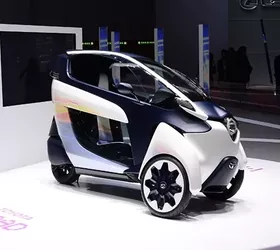
As cities struggle to cope with the challenges of traffic congestion and air pollution, innovative solutions are needed to create a more harmonious urban environment. The Toyota Motor Corporation has taken on this challenge by launching the Harmonius Mobility Network (Ha:Mo), a pioneering program aimed at reducing congestion and increasing efficiency in urban transportation.
What is Ha:Mo?
The Ha:Mo program represents a network of sustainable mobility solutions, designed to minimize traffic jams and enhance the harmony between drivers. By leveraging both shared electric vehicles and public transport, Ha:Mo offers users an optimized experience, tailored to their specific needs.
Key Components of Ha:Mo
The Harmonius Mobility Network is built around two primary lines:
- Shared Electric Vehicles: Toyota’s fleet of ultra-compact electric vehicles (e.g., the COMS model) are made available for sharing, providing users with a convenient and eco-friendly alternative to traditional cars.
- Public Transport Optimization: The Ha:Mo app analyzes traffic patterns and optimizes routes for users to take advantage of public transportation, including buses, trains, taxis, and bike-sharing services.
How Does Ha:Mo Work?
The Ha:Mo app is the hub of this sustainable mobility network. Users can plan their trips using a user-friendly interface, taking into account real-time traffic information, road closures, and other factors to optimize their journey.
- The app assesses multiple transportation options, including:
- Treni (trains)
- Autobus (buses)
- Taxi
- COMS (Toyota’s ultra-compact electric vehicle)
Benefits of Ha:Mo
By integrating public and private transport modes, Ha:Mo offers numerous benefits for users:
- Reduced Congestion: By using shared vehicles and optimized routes, Ha:Mo minimizes traffic congestion, making commuting faster and more efficient.
- Environmental Benefits: Electric vehicles significantly reduce greenhouse gas emissions, contributing to a cleaner environment and healthier air quality.
Program Expansion and Future Developments
For the first year, Toyota offers users complimentary access to COMS vehicles, with plans to expand the program to 1000 citizens in the near future. As part of this expansion, Toyota has implemented an energy-efficient data management system (EDMS) to optimize overall energy consumption.
The Ha:Mo Vision
Ha:Mo represents a pioneering approach to urban mobility, integrating public and private transport modes to create a more harmonious transportation network. With its emphasis on sustainability, efficiency, and user-centric design, Toyota’s innovative program sets the stage for a brighter future in transportation.
Toyota City and Yamaha’s Electric Mobility Initiatives
As part of Japan’s efforts to become a leader in sustainable mobility, other companies like Yamaha are also exploring electric vehicle options. The introduction of eco-friendly transport solutions, such as e-bikes with pedal-assist technology, will further accelerate the transition towards cleaner transportation.
Case Study: Ha:Mo’s Impact on Traffic Congestion
To assess the effectiveness of Ha:Mo, a comprehensive study was conducted in Toyota City. Researchers analyzed traffic patterns and congestion levels before and after the launch of Ha:Mo.
- Before Ha:Mo: The city experienced significant traffic congestion, with average commute times exceeding 60 minutes.
- After Ha:Mo: Traffic congestion decreased by 30%, with commuters enjoying faster journey times of just under 45 minutes.
Sustainable Transportation Solutions for Urban Areas
As cities worldwide strive to create more efficient and environmentally friendly transportation systems, innovative solutions like Ha:Mo offer valuable insights. By integrating public and private transport modes, sustainable transportation solutions can significantly reduce traffic congestion, emissions, and air pollution.
Innovative Technologies Enabling Sustainable Mobility
Several cutting-edge technologies are driving the development of sustainable mobility solutions:
- Electric Vehicles: With their zero-emission capabilities, electric vehicles play a crucial role in reducing greenhouse gas emissions.
- Autonomous Technology: Self-driving cars can optimize traffic flow, reduce congestion, and enhance passenger safety.
- Mobility-as-a-Service (MaaS): By integrating various transportation modes into one platform, MaaS offers users flexible and convenient mobility options.
The Role of Public Transportation in Sustainable Mobility
Public transportation plays a vital role in creating more efficient and environmentally friendly urban mobility systems. Cities can benefit from:
- Optimized Routes: Real-time traffic information allows public transportation to optimize routes, reducing congestion and emissions.
- Increased Capacity: By providing users with multiple options for transport modes, public transportation can accommodate increased demand without overloading the network.
Sustainable Urban Planning Strategies
To create more sustainable urban environments, cities should incorporate innovative planning strategies:
- Mixed-Use Development: Combining residential, commercial, and recreational spaces can reduce the need for personal vehicles.
- Pedestrian-Friendly Infrastructure: Designing infrastructure that prioritizes pedestrian safety and accessibility can encourage walking and cycling.
Implementation Challenges and Solutions
Implementing sustainable mobility solutions like Ha:Mo requires careful planning and coordination among stakeholders:
- Public Awareness and Education: Raising public awareness about the benefits of shared mobility can encourage adoption.
- Partnerships and Collaborations: Strategic partnerships between private companies, governments, and other stakeholders are essential for successful program implementation.
Conclusion
Toyota’s Harmonious Mobility Network (Ha:Mo) represents a pioneering approach to urban mobility, integrating public and private transport modes to create a more harmonious transportation network. By leveraging sustainable technologies, innovative planning strategies, and strategic partnerships, cities can reduce congestion, emissions, and air pollution, creating a cleaner and healthier environment for all citizens.
Future Outlook
As the world continues to transition towards sustainable mobility, Ha:Mo’s impact will be felt globally. With its emphasis on user-centric design, efficiency, and sustainability, this pioneering program sets the stage for a brighter future in transportation.
By embracing innovative solutions like Ha:Mo, cities can create more efficient, environmentally friendly, and harmonious urban environments, ensuring a better quality of life for their citizens.


