
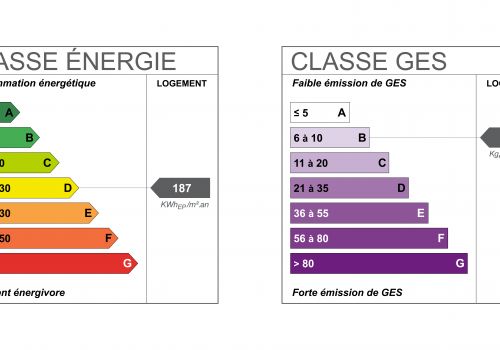
As a business owner, understanding the energy efficiency regulations and requirements can be overwhelming. In this article, we will guide you through the process of undergoing an energetic diagnostic, its importance, and the implications for your business.
What is Energy Efficiency Diagnostics?
Energy efficiency diagnostics is a mandatory procedure that must be carried out by certain businesses to assess their energy consumption and identify areas for improvement. This report provides detailed information on the regulations surrounding this requirement.
Who Needs to Undergo Energy Efficiency Diagnostics?
According to the law, only large enterprises with over 250 employees and companies with high energy consumption are subject to this mandatory procedure. In addition, businesses that consume at least 2.4 GWh of electricity or other forms of energy are also required to undergo diagnostics.
What is Considered a Large Enterprise?
A large enterprise refers to any business that:
- Has over 250 employees
- Has a revenue of more than €50 million
- Has a balance sheet exceeding €43 million
Who Can Conduct the Diagnostic Report?
The report can be conducted by any accredited organization, including energy consulting firms and experts in energy management. However, from July 20th, 2016, only certified entities are allowed to conduct diagnostics.
What Are the Consequences of Non-Compliance?
Failure to comply with the regulations may result in significant fines. Businesses that fail to undergo diagnostics will be subject to penalties ranging from €4,000 to €40,000. In some cases, companies that have already conducted a diagnostic but not according to the rules can also receive these punishments.
Key Dates and Deadlines
- December 22nd: All relevant data for energy efficiency diagnostics must be submitted to ENEA by this date.
- December 5th: Companies must complete their energetic diagnostic report by this date.
- Every four years: Diagnostics reports must be submitted every four years.
How to Prepare for the Diagnostic Report?
Preparation is key to a successful and stress-free process. Gather all necessary documents, such as energy bills and certificates of ownership for equipment. Ensure that all employees involved in the diagnostic process have the required training and certifications.
Best Practices for Conducting an Energetic Diagnostics Report
To make your business more efficient and reduce its environmental impact, conduct regular audits. Make sure to:
- Identify Energy-Wasting Appliances: Replace inefficient devices with new ones that meet energy efficiency standards.
- Upgrade Lighting Systems: Install energy-efficient lighting systems.
- Improve HVAC Systems: Upgrade heating, ventilation, and air conditioning (HVAC) systems to reduce energy consumption.
Conclusion
In conclusion, the mandatory energetic diagnostic is an essential step in ensuring your business’s energy efficiency and compliance with regulations. By understanding the requirements and best practices outlined above, you can take proactive measures to minimize your environmental footprint while also reducing costs associated with excessive energy consumption.
Frequently Asked Questions
-
What are the benefits of undergoing energetic diagnostics?
Energy-efficient practices can lead to cost savings, reduced carbon emissions, and a better reputation for your business.
2. Who is responsible for submitting the diagnostic report?The legal representative of the company must submit the report to ENEA by December 22nd.
3. What happens if I don’t comply with the regulations?You may face fines ranging from €4,000 to €40,000 and be required to undergo diagnostics again.
4. Can I conduct energetic diagnostics myself or do I need a certified expert?While it’s possible to conduct diagnostics in-house, certified experts are recommended due to their specialized knowledge and experience.
5. How often must we submit our diagnostic reports?Reports must be submitted every four years.
6. Can I choose the date for my energetic diagnostics report?No, the deadline is December 22nd.
Additional Information
In addition to the mandatory energetic diagnostics process, there are several other measures you can take to improve your energy efficiency and reduce your environmental impact:
- Conduct regular energy audits to identify areas of inefficiency.
- Invest in energy-efficient lighting systems and HVAC systems.
- Implement a energy-saving plan for your business.
- Consider hiring an energy consultant or auditor to help you improve your energy efficiency.
Conclusion
In conclusion, the mandatory energetic diagnostic is an essential step in ensuring your business’s energy efficiency and compliance with regulations. By understanding the requirements and best practices outlined above, you can take proactive measures to minimize your environmental footprint while also reducing costs associated with excessive energy consumption.
Glossary
- Energy Efficiency Diagnostics: The process of assessing a business’s energy consumption and identifying areas for improvement.
- Large Enterprise: A business with over 250 employees, a revenue of more than €50 million, or a balance sheet exceeding €43 million.
- Certified Entity: An organization that has been accredited to conduct energetic diagnostics.
- ENEA: The Italian National Institute of Statistics (ISTAT) is responsible for collecting and publishing data on energy consumption in Italy.
References
- Italian Ministry of Economy and Finance. (2019). Energy Efficiency and Sustainability Act.
- ENEA. (2020). Energy Efficiency Diagnostics Report.
- International Energy Agency. (2019). Global Energy Review.
By following the guidelines outlined in this article, you can ensure that your business is compliant with energy efficiency regulations and is taking proactive measures to reduce its environmental impact.


