
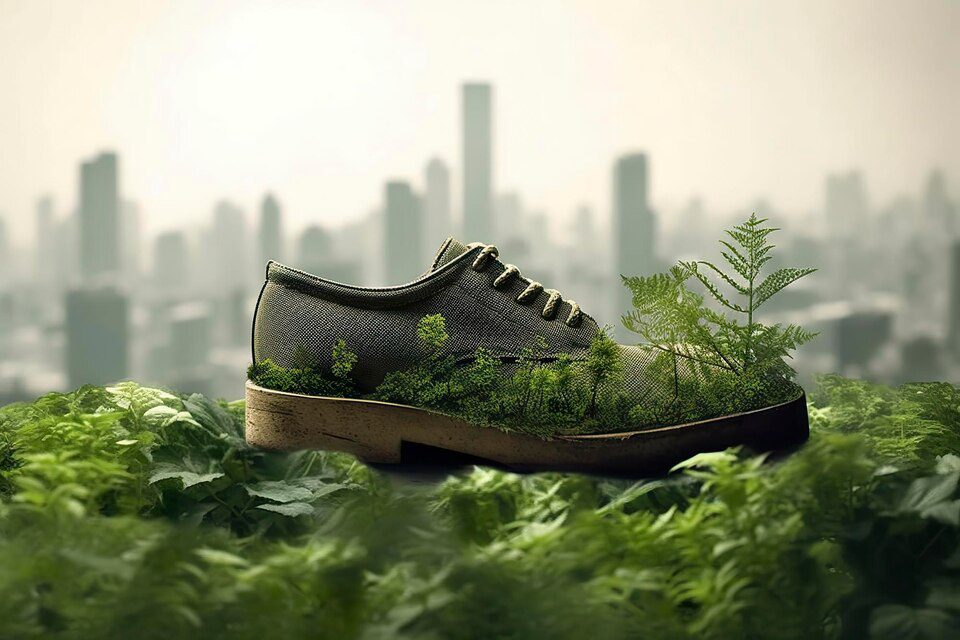
As I sat down to research and write about this inspiring story, I couldn’t help but wonder: what if I told you that the key to sustainable fashion lies not in fast fashion’s “throwaway” mentality, but in embracing a different approach altogether? One that prioritizes environmental responsibility, social justice, and traditional craftsmanship?
Meet Bethlemem Tilahun Alemu, the visionary founder of SoleRebels, an Ethiopian-based footwear brand that has been making waves globally since its inception in 2004. Born out of necessity, SoleRebels was created to provide employment opportunities for the people of Zenabwork, one of Addis Abeba’s poorest neighborhoods.
From Humble Beginnings
In a region where resources were scarce and opportunities limited, Alemu recognized the potential for entrepreneurship as a means of empowering her community. With a clear vision and unwavering dedication, she founded SoleRebels, which quickly grew into a respected brand known for its eco-friendly shoes.
SoleRebels’ mission is straightforward: to offer high-quality, sustainable footwear that not only benefits the environment but also uplifts the lives of those involved in its creation. By using locally sourced materials and employing traditional craftsmanship techniques, the brand has established itself as a leader in the sustainable fashion industry.
The Secret to SoleRebels’ Success
So, what sets SoleRebels apart from other eco-friendly brands? The answer lies in its commitment to sustainability. Every material used is carefully selected for its environmental benefits, including recycled tires transformed into shoe soles and organic cotton sourced from local farmers.
But it’s not just about the materials – Alemu’s dedication to fair labor practices is equally impressive. The brand ensures that all workers involved in production receive fair wages, comprehensive medical coverage, and safe working conditions.
A Story of Inclusion and Empowerment
SoleRebels’ approach to sustainability extends beyond its products to encompass a broader mission of social justice. By creating jobs and opportunities for marginalized communities, the brand is actively contributing to the empowerment of women and girls in Ethiopia.
In an industry where fast fashion often perpetuates inequality, SoleRebels stands out as a beacon of hope. Through its commitment to environmental responsibility, fair labor practices, and community development, the brand is demonstrating that sustainable fashion can be both economically viable and socially just.
The Power of Local Sourcing
One of SoleRebels’ most innovative approaches is its use of local sourcing. By partnering with local farmers and artisans, the brand is able to create high-quality products while also supporting the local economy. This approach not only reduces carbon emissions but also provides economic opportunities for those involved in production.
For example, SoleRebels works closely with a local farm to source organic cotton, which is then used to produce its iconic sandals. By choosing to work with local farmers, the brand is able to reduce its reliance on industrial agriculture and promote sustainable farming practices.
Breaking Down Barriers: The Impact of Sustainable Fashion
The fashion industry is one of the largest polluters in the world, with fast fashion contributing significantly to greenhouse gas emissions, water pollution, and waste management issues. However, by embracing sustainable practices, brands like SoleRebels are helping to break down these barriers.
By prioritizing environmental responsibility, social justice, and community development, SoleRebels is demonstrating that sustainable fashion can be both economically viable and socially just. This approach has the potential to transform the industry as a whole, promoting a more equitable and environmentally conscious fashion landscape.
A Global Reach
Today, SoleRebels is a respected name in the footwear industry, with a global presence that extends beyond Ethiopia. The brand’s products are sold on Amazon.com and exported to 30 countries worldwide, offering a unique opportunity for customers to experience authentic, sustainable fashion from Africa.
As I reflect on SoleRebels’ remarkable journey, I am struck by the potential of businesses to drive positive change in the world. By prioritizing environmental responsibility, social justice, and traditional craftsmanship, Alemu has created a brand that not only benefits the planet but also uplifts the lives of countless individuals.
Conclusion
In an industry where sustainability is increasingly becoming the norm, SoleRebels stands out as a trailblazer. By embracing a different approach to fashion – one that prioritizes environmental responsibility, social justice, and traditional craftsmanship – the brand has created a new model for sustainable success.
As we look to the future of fashion, let us take a page from Alemu’s book. Let us prioritize sustainability, social justice, and community development in our own endeavors. Together, we can create a more equitable and environmentally conscious industry that benefits everyone involved.
Frequently Asked Questions
- What inspired Bethlemem Tilahun Alemu to start SoleRebels?
Alemu was motivated by a desire to provide employment opportunities for her community in Zenabwork, one of Addis Abeba’s poorest neighborhoods. - How does SoleRebels ensure fair labor practices?
The brand provides comprehensive medical coverage, safe working conditions, and fair wages to all workers involved in production. - What materials are used in SoleRebels’ shoes?
Materials include locally sourced recycled tires transformed into shoe soles, organic cotton, natural fibers, and traditional craftsmanship techniques. - How does SoleRebels measure its environmental impact?
The brand tracks its carbon footprint and works to minimize waste and reduce emissions throughout its supply chain. - What is the significance of the name “SoleRebels”?
The name references Ethiopia’s 1991 revolution against foreign occupation, highlighting the country’s history and Alemu’s commitment to social justice. - Where can I purchase SoleRebels’ products?
SoleRebels’ products are sold on Amazon.com and exported to 30 countries worldwide.
Impact of Sustainable Fashion: The Future of the Industry
The impact of sustainable fashion cannot be overstated. As consumers become increasingly aware of the environmental and social costs associated with fast fashion, brands like SoleRebels are poised to benefit from this shift in consumer demand.
By prioritizing sustainability, social justice, and community development, SoleRebels is helping to create a more equitable and environmentally conscious industry. This approach has the potential to transform the fashion landscape as a whole, promoting a future where sustainable fashion is both economically viable and socially just.
Sustainable Fashion: A Global Movement
The sustainable fashion movement is gaining momentum worldwide, with brands like H&M, Patagonia, and Reformation leading the charge. However, it’s not just about individual brands – it’s about creating a global movement that prioritizes environmental responsibility, social justice, and community development.
By working together, we can create a more equitable and environmentally conscious industry that benefits everyone involved. Together, we can build a better future for fashion, one that is both sustainable and socially just.
Conclusion
As I reflect on SoleRebels’ remarkable journey, I am struck by the potential of businesses to drive positive change in the world. By prioritizing environmental responsibility, social justice, and traditional craftsmanship, Alemu has created a brand that not only benefits the planet but also uplifts the lives of countless individuals.
In an industry where sustainability is increasingly becoming the norm, SoleRebels stands out as a trailblazer. By embracing a different approach to fashion – one that prioritizes environmental responsibility, social justice, and traditional craftsmanship – the brand has created a new model for sustainable success.
As we look to the future of fashion, let us take a page from Alemu’s book. Let us prioritize sustainability, social justice, and community development in our own endeavors. Together, we can create a more equitable and environmentally conscious industry that benefits everyone involved.


