
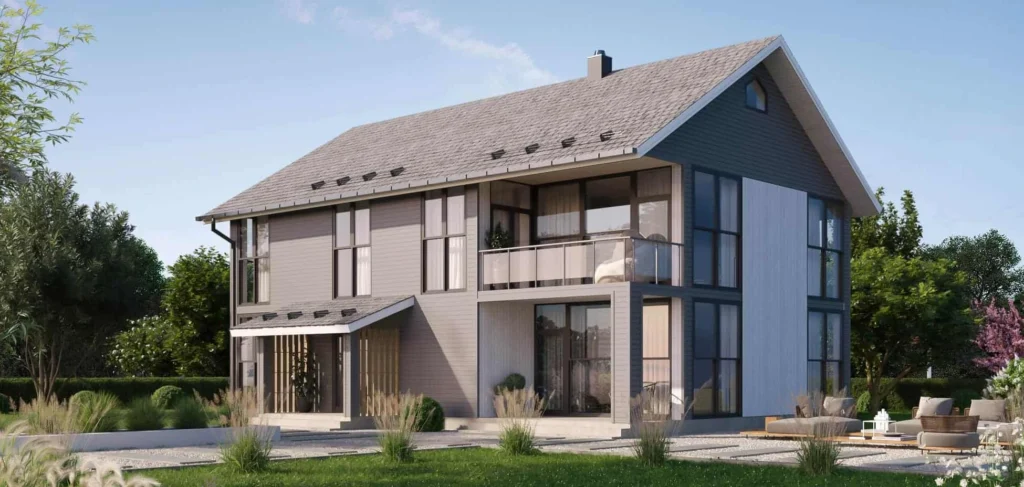
Introduction
When it comes to building homes, people often overlook prefabricated wooden houses, but today they are becoming increasingly popular due to their numerous benefits and advantages. In this article, we will delve into the world of prefabricated wooden houses, exploring their durability, considerations, timings, costs, and more.
What are Prefabricated Wooden Houses?
Prefabricated wooden houses, also known as case prefabbricate in legno, are structures built using wood components that have been manufactured off-site. These houses offer a healthier environment for occupants, reduced mold, humidity, and bacteria, making them ideal for people with asthma or other allergies.
Benefits of Prefabricated Wooden Houses
Healthier Environment
Prefabricated wooden houses provide a cleaner living space by reducing the presence of mold, humidity, and bacteria. This makes them an excellent choice for individuals suffering from respiratory issues like asthma.
Thermal Insulation
The hygroscopic properties of wood help regulate indoor and outdoor air moisture levels, resulting in reduced overheating during summer months. Additionally, the low thermal conductivity of wood ensures efficient heat retention during winter.
Energy Efficiency
Prefabricated wooden houses boast excellent energy efficiency, reducing energy consumption by up to 80% compared to traditional buildings. This not only saves homeowners money on utility bills but also contributes to a more sustainable environment.
Ecological Benefits
The production process of prefabricated wooden houses is more eco-friendly than traditional construction methods. Wood processing produces fewer CO2 emissions, and the material can be easily recycled or reused, reducing waste and promoting sustainability.
Sustainable Construction
Unlike bricks, wood can be reused or recycled after a building’s demolition, eliminating the need for complex and resource-intensive demolition processes.
Time and Cost Savings
Prefabricated wooden houses offer significant time and cost savings compared to traditional brick and concrete buildings. The construction process is shorter, resulting in lower labor costs.
Reduced Labor Costs
The shorter construction period reduces labor costs, making prefabricated wooden houses a more economical option for homeowners.
Earthquake Resistance
For individuals living in earthquake-prone areas, prefabricated wooden houses are an attractive option due to their increased security. Well-structured wooden prefab houses can absorb damage from earthquakes without significant issues.
Seismic Resistance
Prefabricated wooden houses can withstand seismic events of up to 7 degrees on the Mercalli scale, surpassing the destructive power of a 5.8-degree earthquake that hit L’Aquila.
Durability and Guarantee
Prefabricated wooden houses are built to last, with some manufacturers offering guarantees of up to 100 years. This significantly exceeds the 10-year guarantee period offered by traditional brick and concrete buildings.
Warranty Period
The standard warranty offered by prefab builders is typically 30 years longer than that for traditional construction materials, providing homeowners with peace of mind and lower maintenance costs.
Costs
The cost of a prefabricated wooden house varies depending on customer requests but ranges from €1,000 to €1,800 per square meter. Unlike traditional constructions, the price does not depend on location.
Cost-Effective
Prefabricated wooden houses offer a cost-effective solution for homeowners, with prices influenced solely by specialized labor and construction project plans.
Design Options
Prefabricated wooden houses can be designed to accommodate various architectural styles and preferences. Homeowners can choose from different exterior finishes, interior designs, and customizations to create their dream home.
Customization
The modular design of prefabricated wooden houses allows for easy customization, enabling homeowners to tailor their home to their specific needs and desires.
Sustainable Materials
Prefabricated wooden houses are made from sustainable materials, reducing the environmental impact of traditional construction methods. Wood is a renewable resource that can be harvested in a way that ensures its long-term sustainability.
Sustainable Wood Sources
Homeowners can choose from various sustainable wood sources, such as FSC-certified timber or locally sourced wood, to create their prefabricated wooden home.
Maintenance and Repair
Prefabricated wooden houses require minimal maintenance and repair compared to traditional brick and concrete buildings. The structure is designed to withstand harsh weather conditions and natural disasters.
Easy Repairs
In the unlikely event of damage or wear and tear, prefab builders offer easy repairs and maintenance services to ensure homeowners can enjoy their homes for years to come.
Conclusion
In conclusion, prefabricated wooden houses are an attractive option for modern living due to their numerous benefits and advantages. From healthier environments to reduced energy consumption and increased security, these structures offer a sustainable alternative to traditional brick and concrete buildings.
Frequently Asked Questions (FAQs)
Q: Are prefabricated wooden houses suitable for all climates?
A: Yes, prefabricated wooden houses can be designed to accommodate various climate conditions, ensuring a comfortable living space regardless of the location.
Q: How do prefabricated wooden houses compare to traditional brick and concrete buildings in terms of energy efficiency?
A: Prefabricated wooden houses offer excellent energy efficiency, reducing energy consumption by up to 80% compared to traditional constructions.
Q: Are prefabricated wooden houses prone to mold and humidity issues?
A: No, prefabricated wooden houses provide a cleaner living space by reducing the presence of mold, humidity, and bacteria.
Q: Can prefabricated wooden houses withstand earthquakes?
A: Yes, well-structured wooden prefab houses can absorb damage from earthquakes without significant issues.
Q: How long do prefabricated wooden houses typically last?
A: Some manufacturers offer guarantees of up to 100 years, significantly exceeding the 10-year guarantee period offered by traditional constructions.
Q: Are prefabricated wooden houses more expensive than traditional constructions?
A: The cost of a prefabricated wooden house varies depending on customer requests but ranges from €1,000 to €1,800 per square meter.
Q: Can prefabricated wooden houses be recycled or reused after demolition?
A: Yes, wood can be easily recycled or reused after a building’s demolition, reducing waste and promoting sustainability.
Q: How long does the construction process typically take for prefabricated wooden houses?
A: The construction period is significantly shorter than traditional brick and concrete buildings, resulting in lower labor costs.


