
As you walk into your home, you’re immediately greeted by the familiar scents of fresh flowers or baking cookies. But what if I told you there’s a way to naturally perfume your space without any artificial fragrances? Enter indoor fragrant plants – the perfect solution for a scent-filled sanctuary that’s both healthy and eco-friendly.
In this article, we’ll explore the world of indoor fragrant plants, from popular varieties like jasmine and rose to lesser-known gems like spathiphyllum and geranium. Whether you’re a seasoned plant enthusiast or just starting your indoor gardening journey, you’ll discover the secrets to growing a fragrant garden that will leave your home smelling amazing.
What Makes Plants Fragrant?
Before we dive into our top picks for indoor fragrant plants, let’s explore what makes them so enticing. Plant fragrance is often attributed to specialized structures like flowers, leaves, and roots, which produce volatile organic compounds (VOCs). These VOCs are responsible for the characteristic scents we associate with plants.
For example, jasmine flowers contain a potent mixture of VOCs that evoke the sweet, heady aroma of the famous flower. Similarly, rose petals contain fragrant molecules like linalool and geraniol, which give them their signature scent.
Understanding Plant Volatile Organic Compounds (VOCs)
Plant VOCs are tiny molecules released into the air by plants as a natural defense mechanism against pests and diseases. These compounds can be either attractive or repulsive to humans, depending on their chemical composition.
For instance, some plants like lavender and mint emit calming, soothing scents that promote relaxation. On the other hand, plants like citronella and lemongrass release citrusy aromas that repel insects.
Top 10 Indoor Fragrant Plants
Here are our top picks for indoor fragrant plants that’ll naturally perfume your space:
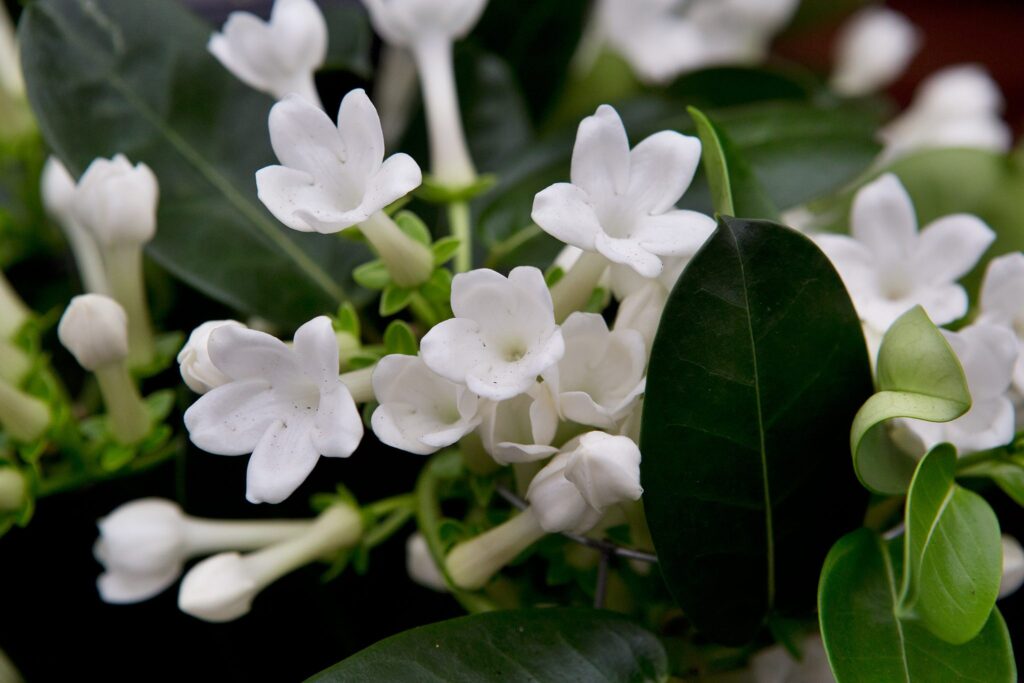
- Jasmine (Stephanotis): This tropical plant is renowned for its intoxicating fragrance, often used in perfumes and aromatherapy.
- Rose (Rosa spp.): With over 150 species, roses offer a range of fragrances from sweet to spicy.
- Gardenia (Gardenia jasminoides): This elegant plant boasts large, showy flowers with an intoxicating scent reminiscent of jasmine.
- Lilium (Lilium spp.): Also known as lilies, these beautiful flowers come in a variety of colors and fragrances.
- Hoya Carnosa (Hoya carnosa): Commonly known as the “Wax Plant,” Hoya Carnosa boasts waxy, fragrant flowers that are perfect for indoor arrangements.
- Gelsomino (Hippeastrum spp.): This flowering plant produces showy white blooms with a sweet, perfumed fragrance.
- Spathiphyllum (Spathiphyllum wallisii): Also known as the “Peace Lily,” this plant boasts elegant white blooms with a subtle, sweet fragrance.
- Geranium (Pelargonium spp.): This flowering plant offers a range of fragrances from sweet to spicy, making it perfect for indoor arrangements.
- Alloro (Citrus sinensis): With its iconic evergreen foliage and fragrant flowers, the alloro is a popular choice for indoor gardening.
- Eucalyptus (Eucalyptus spp.): This versatile plant offers a range of fragrances from fresh to sweet, making it perfect for indoor arrangements.
Growing and Caring for Indoor Fragrant Plants
To get the most out of your indoor fragrant plants, follow these simple growing tips:
- Lighting: Most indoor fragrant plants prefer bright, indirect light. However, some like eucalyptus can tolerate direct sunlight.
- Watering: Overwatering is a common mistake when growing indoor plants. Make sure to water sparingly, allowing the soil to dry between waterings.
- Temperature: Check your plant’s specific temperature requirements, but most prefer daytime temperatures between 65°F-75°F (18°C-24°C) and nighttime temperatures around 55°F-65°F (13°C-18°C).
- Humidity: Indoor plants thrive in humid environments. To maintain optimal humidity levels, consider using a humidifier or placing the plant on a tray filled with water and pebbles.
Tips for Creating a Fragrant Indoor Garden
Creating a fragrant indoor garden requires careful planning and attention to detail. Here are some additional tips to help you get started:
- Choose a variety of plants: Select plants that offer different scents and textures to create a diverse and interesting fragrance profile.
- Group plants by scent intensity: Arrange plants in your garden according to their scent intensity, from light to strong, to avoid overwhelming the senses.
- Experiment with potpourri: Create a homemade potpourri using dried flowers, herbs, and spices to enhance the fragrance of your indoor garden.
- Consider the growing conditions: Make sure to provide plants with optimal growing conditions, including sufficient light, water, and nutrients, to ensure they thrive and release their fragrances.
Benefits of Indoor Fragrant Plants
Indoor fragrant plants offer numerous benefits for both physical and mental well-being. Some of these benefits include:
- Improved air quality: Indoor plants are natural air purifiers, removing pollutants and toxins from the air.
- Reduced stress: The calming scents emitted by certain plants can help reduce stress and promote relaxation.
- Boosted mood: The release of endorphins associated with fragrance exposure can improve mood and overall sense of well-being.
Conclusion
Indoor fragrant plants are a natural and healthy way to perfume your space without artificial fragrances. By choosing the right plant for your lifestyle and following simple growing tips, you’ll be able to enjoy a fragrant garden that’s both beautiful and beneficial for your well-being. So why not give it a try? Start exploring the world of indoor fragrant plants today!
Frequently Asked Questions
Q: Can I grow fragrant plants indoors if I don’t have direct sunlight?
A: Yes, many fragrant plants can thrive in bright, indirect light. Check the specific lighting requirements for your plant to ensure optimal growth.
Q: How often should I water my indoor fragrant plant?
A: Overwatering is a common mistake when growing indoor plants. Water sparingly, allowing the soil to dry between waterings.
Q: Can I propagate my indoor fragrant plant using cuttings or seeds?
A: Yes, many fragrant plants can be propagated using cuttings or seeds. Research specific propagation methods for your plant to ensure success.
Q: How long does it take for my indoor fragrant plant to bloom?
A: Blooming times vary depending on the plant species and growing conditions. Check the specific blooming requirements for your plant to ensure optimal flowering.
Q: Can I use my indoor fragrant plant in aromatherapy?
A: Yes, many fragrant plants can be used in aromatherapy by infusing their leaves or flowers in a diffuser or oil.
Q: How often should I fertilize my indoor fragrant plant?
A: Fertilization frequency depends on the plant species and growing conditions. Research specific fertilization requirements for your plant to ensure optimal growth.
Q: Can I grow multiple fragrant plants together?
A: Yes, many fragrant plants can be grown together in a single pot or arrangement. Check the specific growing requirements for each plant to ensure compatibility.


