
What is Ayurveda?
Ayurveda, an ancient Indian philosophy of life, has been around for over 6,000 years. The term “Ayurvedica” literally means “Knowledge of Life,” where “ayus” signifies life, longevity, and “veda” means knowledge, science. At its core, Ayurveda is about achieving balance in body and mind through the pleasure of good food.
The Roots of Ayurveda
Ayurveda is based on the principle that everything in life is interconnected, including our diet. The theory behind this holistic approach sees balance as the key between five fundamental elements: earth, air, fire, water, and ether. These elements must be kept in harmony at all times, even when it comes to food.
The Science of Taste
In Ayurveda, every food has unique properties that can either benefit or harm our bodies. The concept of “rasa” plays a crucial role in understanding these properties. Rasa refers to the five tastes: sweet, sour, salty, pungent, and bitter. By analyzing these tastes and the five elements, we can determine which foods are best suited for our individual constitution.
Understanding Your Constitution
According to Ayurveda, each person has a unique constitution that is influenced by their dominant elements. There are three main types of constitutions: Kapha (water-earth), Pitta (fire-water), and Vata (air-ether). By understanding your constitutional type, you can make informed choices about what foods to eat and how to prepare them.
Balancing Your Diet
Ayurvedic cooking is all about balance. Every meal should be designed to nourish the body and mind, taking into account your individual constitution. Foods should be warm, easy to digest, and not eaten too close to bedtime. By following these guidelines, you can create a harmonious relationship between your body and food.
The Vegetarian Approach
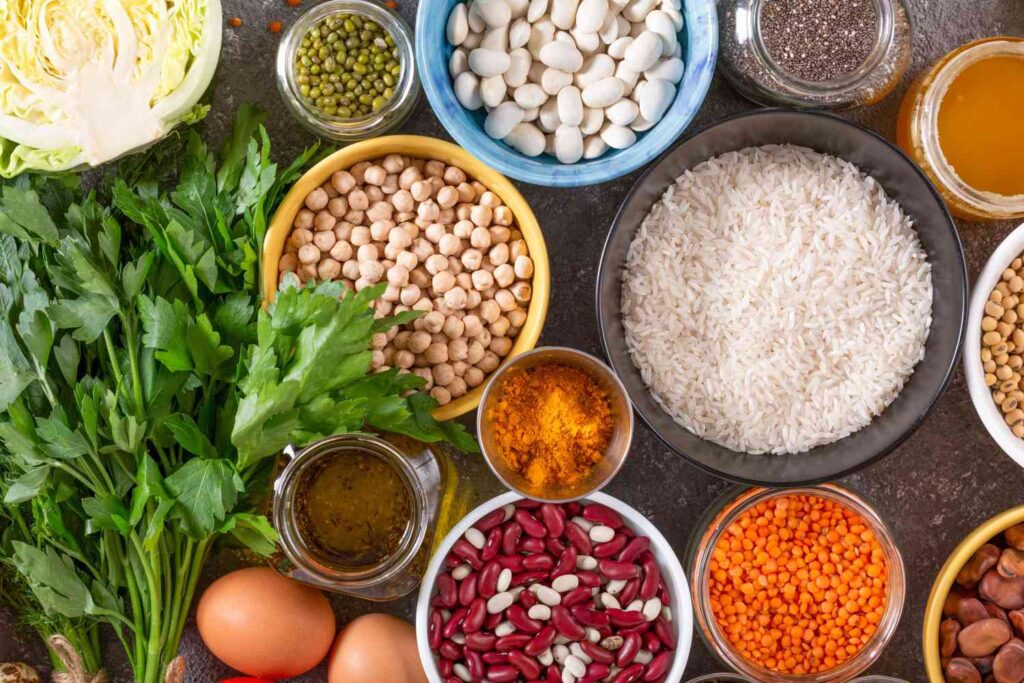
Ayurvedic cooking is primarily vegetarian, focusing on plant-based ingredients that promote overall well-being. This approach emphasizes the importance of whole, unprocessed foods that are rich in nutrients and minerals.
Recommended Reading
For those interested in exploring Ayurvedic cuisine further, we recommend the following resources:
- “The Art of Cooking with Ayurveda: A Guide to Understanding the Five Elements and Balancing Your Diet”
- “Ayurvedic Cuisine for a Healthy Life”
Understanding Food Groups
In Ayurveda, foods are categorized into different groups based on their properties. Here are some common food groups:
- Kapha-reducing foods: These foods are beneficial for individuals with Kapha constitutions, as they help to reduce excess mucus and phlegm.
- Pitta-calming foods: These foods are helpful for individuals with Pitta constitutions, as they help to calm down heat and inflammation in the body.
- Vata-balancing foods: These foods are beneficial for individuals with Vata constitutions, as they help to balance out dryness and coldness in the body.
Preparing Meals
When preparing meals, Ayurvedic cooking emphasizes the importance of using fresh ingredients, minimizing waste, and avoiding excess heat. Here are some tips for preparing delicious and nourishing meals:
- Use fresh herbs: Fresh herbs like cilantro, basil, and mint add flavor to dishes without adding salt or sugar.
- Minimize waste: Plan your meals carefully to avoid food waste, which can be detrimental to overall health.
- Avoid excess heat: Avoid using hot oil or high-heat cooking methods, as they can damage nutrients and create inflammation in the body.
Cooking Techniques
Ayurvedic cooking emphasizes the importance of using gentle cooking techniques that promote nutrient retention and flavor. Here are some popular cooking techniques:
- Steaming: Steaming is a great way to cook vegetables without losing their nutrients.
- Stir-frying: Stir-frying is a quick and easy way to cook ingredients while preserving their nutrients.
- Roasting: Roasting is a dry heat cooking method that helps to bring out the natural flavors of foods.
Beverages
In Ayurveda, beverages play an important role in maintaining overall health. Here are some popular Ayurvedic beverages:
- Tea: Tea is a great way to stay hydrated and promote relaxation.
- Juice: Juice made from fresh fruits and vegetables can be a nutritious and delicious addition to your diet.
- Herbal drinks: Herbal drinks like chamomile tea and ginger juice can help to calm the mind and body.
Conclusion
Ayurvedic cooking is a holistic approach to food that emphasizes balance, harmony, and nourishment. By understanding your constitution, using fresh ingredients, minimizing waste, and preparing meals with gentle techniques, you can create delicious and nutritious meals that promote overall well-being. Whether you’re looking to improve your health or simply enjoy good food, Ayurvedic cooking is a great way to connect with nature and cultivate inner peace.


