
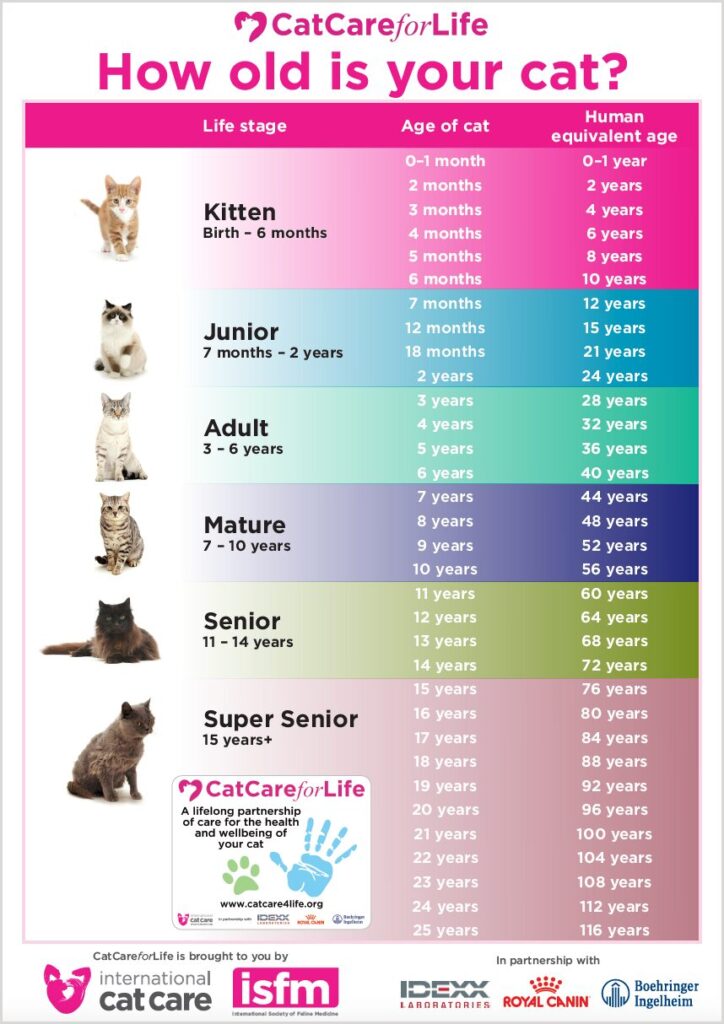
As we welcome a new furry friend into our homes, it’s natural to wonder how long they’ll be by our side. The lifespan of a cat is a topic of intrigue, and while statistics can provide some insight, there’s always an element of uncertainty involved. In this article, we’ll delve into the world of feline longevity, exploring factors that influence a cat’s life expectancy and shedding light on the myths surrounding their aging process.
The Average Lifespan of a Domesticated Cat
Domestic cats generally live longer than their wild counterparts. On average, a domestic cat reaches middle age around the tenth year of its life. At this stage, they may exhibit signs of decline, such as reduced athleticism and vitality, increased lethargy, and changes in coat density. While these physical changes can be subtle, they are undeniable indicators that our feline friends are aging.
The Role of Neutering/Spaying
Research suggests that neutering or spaying your cat can extend its lifespan. These surgical procedures seem to slow down the aging process, potentially adding years to a cat’s life. However, it’s essential to note that this effect is not uniform across all breeds and individual cats.
- The American Veterinary Medical Association (AVMA) recommends spaying or neutering cats between 4-6 months of age to prevent unwanted breeding and reduce the risk of certain health problems.
- A study published in the Journal of Feline Medicine and Surgery found that spayed cats lived up to 12% longer than intact cats, while neutered cats lived up to 17% longer.
The Lifespan of a Feral Cat
In stark contrast, feral cats have much shorter lifespans. Their rugged lifestyle, exposed to various dangers, means their average lifespan is often measured in years rather than decades. Factors such as malnutrition, disease, and accidents contribute to this shortened lifespan.
- A study conducted by the International Cat Care organization found that feral cat colonies can experience a mortality rate of up to 30% per year.
- Feral cats are also more susceptible to certain health problems, such as parasites, diseases, and injuries, which can further reduce their lifespan.
Understanding the Variability in Lifespan
When it comes to predicting a cat’s lifespan, it’s crucial to acknowledge that every individual is unique. While statistics can provide a general idea of what to expect, they cannot account for the many variables at play. Even veterinarians may struggle to estimate a cat’s life expectancy with accuracy.
- Factors such as genetics, diet, lifestyle, and environment all contribute to an individual cat’s lifespan.
- A study published in the Journal of Veterinary Internal Medicine found that there was no single factor that determined a cat’s lifespan, but rather a complex interplay of multiple factors.
The Case of the Oldest Cat on Record
While there may not be an official record of the oldest cat ever lived, there is one notable example that stands out – a British cat named Creme Puff, who lived an astonishing 38 years and 3 days. This remarkable feat has left many wondering about the factors that contributed to her exceptional longevity.
- Creme Puff was a mixed breed cat, weighing around 20 pounds at the time of her passing.
- She was fed a diet of high-quality commercial food and had regular veterinary check-ups throughout her life.
- Her owner attributed her longevity to her calm and healthy lifestyle, which included plenty of playtime, socialization, and affection.
Conclusion
The lifespan of a cat is a complex and multifaceted topic, influenced by various factors including diet, lifestyle, genetics, and environment. While statistics can provide some insight, there’s always an element of uncertainty involved. By understanding the average lifespan of domesticated cats and the unique circumstances surrounding feral cats, we can better appreciate these incredible animals and take steps to ensure they live long, healthy lives.
Frequently Asked Questions
- What is the average lifespan of a domestic cat?
While there’s no definitive answer, most veterinarians agree that domestic cats typically reach middle age around the tenth year of their life. - Can neutering/spaying extend a cat’s lifespan?
Research suggests that these surgical procedures may slow down the aging process, potentially adding years to a cat’s life, but results vary depending on individual circumstances. - How long do feral cats typically live?
Feral cats often have shorter lifespans due to exposure to various dangers, malnutrition, and disease. - What is the oldest cat recorded?
Creme Puff, a British cat, holds the record for the longest-lived domestic cat at 38 years and 3 days. - Can genetics play a role in a cat’s lifespan?
Yes, genetic factors can influence a cat’s lifespan, with some breeds known to be longer-lived than others. - How often should I check my cat’s health?
Regular veterinary check-ups are essential for maintaining your cat’s overall health and detecting potential issues early on. - Can environmental factors impact a cat’s lifespan?
Yes, factors such as diet, lifestyle, and exposure to toxins can all contribute to a cat’s lifespan. - Are there any specific breeds known for longevity?
Some breeds, such as the Maine Coon and British Shorthair, are known for their relatively long lifespans, typically ranging from 12-17 years or more.
By understanding these factors and taking steps to promote your cat’s health and well-being, you can help ensure they live a long and happy life.


