
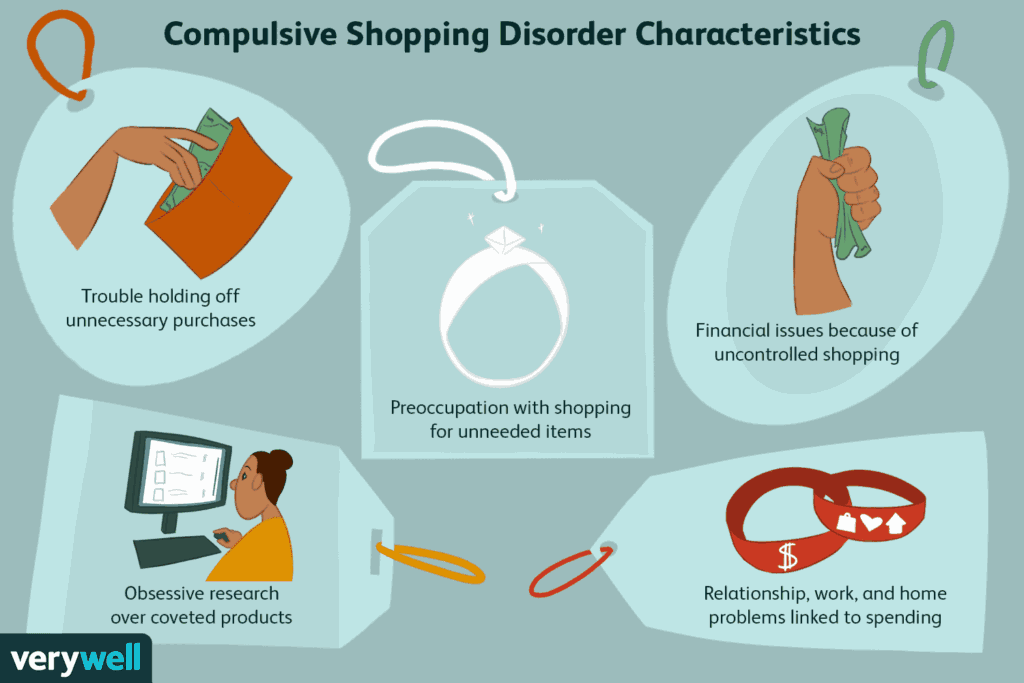
Shopping compulsive disorder, when it becomes an uncontrollable obsession, can be considered a real problem that’s difficult to ignore if you want to live with serenity every day. While joking with friends about shopping compulsive might seem harmless, there are situations where buying something is a necessity.
The Call of the Vitrines
Vitrines call out to us, and we must resist the urge to make a purchase. It’s impossible to hold back from pulling out our credit card or cash and leaving a store with a bag full of unnecessary items. We often buy things we don’t need, thinking we can’t live without them.
Understanding the Origins of Shopping Compulsive Disorder
Shopping compulsive disorder is an all-consuming desire to buy things that’s hard to resist. People who suffer from this condition can no longer make decisions with their own minds; they’re like robots guided by a strong urge to possess something in front of them.
The impulse to buy involves items we don’t really need or excessive amounts of goods, such as 50 pairs of shoes, 13 coats, and 45 pairs of gloves. Will we ever use these things? The question is rarely asked when someone is consumed by shopping compulsive disorder because they’re filled with anxiety or tension that prevents them from thinking clearly.
Once the purchase is made, there’s an initial feeling of euphoria: satisfaction, gratification, happiness. However, this happiness doesn’t last long as guilt and frustration kick in once we realize we’ve acted impulsively. Why do people have shopping compulsive disorder?
The Diagnostic Challenge
There isn’t an official test for determining if someone has a shopping compulsive disorder because it’s not included on the American Psychiatric Association’s list of treatable issues.
While some people might call it “shopaholism,” this condition often affects young adults who’ve recently gained financial independence. It’s not everyone, though: individuals who feel an emptiness or void that they can’t fill are more likely to be affected by shopping compulsive disorder.
People with shopping compulsive disorder may use shopping as a way to cope with feelings of sadness, anxiety, or depression. They might also have difficulty managing their eating habits and substance abuse issues.
Breaking the Cycle: Getting Help
There isn’t a specific treatment for shopping compulsive disorder; however, addressing the underlying causes is essential. The motivations behind buying unnecessary items can be tied to anxiety, depression, dissatisfaction, or a lack of affection.
The first step in overcoming this obsessive and expensive habit is seeking help from a psychologist to determine the severity of the issue and identify its roots.
In the meantime, one of the best ways to manage the damage while treating the underlying problem is to stay occupied with alternative activities that are enjoyable but never lonely. Avoiding shopping centers or areas known for shopping can also reduce temptation.
The Dark Side of E-commerce
E-commerce is generally beneficial, but it’s a curse for individuals who struggle with shopping compulsive disorder. The ease of making online purchases can lead to impulse buys that might be difficult to undo once they’re made.
While it’s not an excuse to close down bakeries (because we’d lose the benefits of healthy eating), the need for self-control is just as important when shopping online. Using smartphones and tablets only when necessary, and engaging in activities like reading a good book can help manage impulsive behavior.
Understanding Online Shopping Addiction
Online shopping addiction refers to the compulsive buying of goods purchased online. The causes of this condition are usually tied to loneliness, boredom, or stress. Some people may feel that they’re unable to control their spending on things they want but cannot afford.
In many cases, the inability to resist the urge to buy products online is due to a lack of self-control and impulse management skills. When faced with the temptation of an online sale or discount, it’s easy to give in to our desires.
However, shopping compulsive disorder can have severe consequences for your wallet and emotional well-being.
Breaking the Cycle: Developing Coping Mechanisms
Developing coping mechanisms is essential in breaking the cycle of shopping compulsive disorder. This includes:
- Creating a budget that works for you
- Practicing mindfulness to control impulses
- Engaging in alternative hobbies that bring joy
- Avoiding shopping centers and online stores
- Seeking help from a mental health professional
Conclusion
Shopping compulsive disorder is a real issue that affects millions of people worldwide. It’s not just about overspending or poor financial decisions; it’s a complex problem rooted in deep emotional needs.
By understanding the causes and consequences of shopping compulsive disorder, individuals can take the first steps towards breaking free from this cycle. With the help of a mental health professional, support system, and self-awareness, anyone can overcome this addiction and live a more fulfilling life.
Additional Resources
If you or someone you know is struggling with shopping compulsive disorder, there are many resources available to provide support:
- National Alliance on Mental Illness (NAMI) Hotline: 1-800-950-NAMI
- National Institute of Mental Health (NIMH): www.nimh.nih.gov
- Online therapy platforms like BetterHelp and Talkspace


