
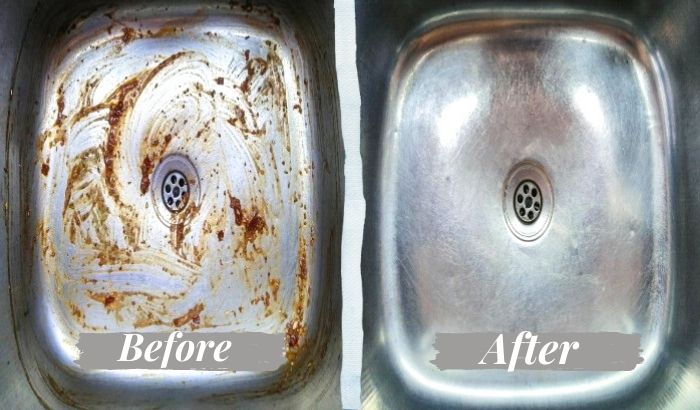
As we strive to live a more sustainable lifestyle, it’s essential to pay attention to the little things that can make a big impact. One often-overlooked aspect of our daily lives is cleaning our stainless steel sinks. In this article, we’ll explore the best methods for cleaning your stainless steel sink, along with some valuable tips and tricks to keep your sink looking like new.
Why Clean Your Stainless Steel Sink?
Stainless steel sinks are a popular choice due to their durability, resistance to corrosion, and ease of maintenance. However, they can also be prone to scratches, stains, and mineral deposits that can dull their appearance. Regular cleaning is essential to maintain the shine and longevity of your stainless steel sink.
Understanding Stainless Steel Sinks
Before we dive into the cleaning process, it’s essential to understand the different types of stainless steel sinks and their unique characteristics.
- Stainless Steel Inox: This type of sink is made from a mixture of iron, chromium, and nickel. It’s resistant to corrosion and easy to clean.
- Stainless Steel Satinized or Polished: These types of sinks have a satinized or polished finish, which can be more prone to scratches and stains.
Choosing the Right Cleaning Method
When it comes to cleaning your stainless steel sink, you’ll want to use a method that’s gentle yet effective. Here are some options:
1. Detergent-Specific Cleaning Products
There are several detergent-specific cleaning products available on the market specifically designed for stainless steel sinks. These products are typically free from harsh chemicals and abrasive particles.
Some popular brands include Franke Pasta, which we’ll discuss later in this article.
Using a Detergent-Specific Cleaning Product
To use a detergent-specific cleaning product, follow these steps:
- Dilute the product according to the manufacturer’s instructions.
- Apply the solution to the sink using a soft cloth or sponge.
- Gently scrub the area with a circular motion.
- Rinse the sink thoroughly with warm water.
Alternative Methods
If you prefer not to use a detergent-specific cleaning product, there are several alternative methods you can try:
- Baking Soda and Water: Mix baking soda and water to create a paste, then apply it to the sink using a soft cloth or sponge.
- White Vinegar and Water: Mix equal parts white vinegar and water in a spray bottle. Spray the solution onto the sink and wipe clean with a soft cloth or sponge.
Using a Detergent-Specific Cleaning Product: A Case Study
We’ll take a closer look at Franke Pasta, a detergent-specific cleaning product specifically designed for stainless steel sinks.
Franke Pasta is a popular choice among homeowners due to its effectiveness and ease of use. Here are some key features:
- Biodegradable and Eco-Friendly: Franke Pasta is made from biodegradable and eco-friendly materials, making it an excellent choice for environmentally conscious homeowners.
- Non-Abrasive: The product is free from harsh chemicals and abrasive particles, ensuring a gentle yet effective cleaning experience.
Tips and Tricks
Here are some valuable tips and tricks to keep your stainless steel sink looking like new:
- Regular Cleaning: Regular cleaning is essential to maintain the shine and longevity of your stainless steel sink.
- Avoid Using Abrasive Materials: Avoid using abrasive materials such as scouring pads or steel wool, which can scratch the surface of the sink.
- Dry the Sink Thoroughly: After cleaning, dry the sink thoroughly with a soft cloth to prevent water spots.
Additional Tips for Specific Types of Sinks
If you have one of the following types of sinks, here are some additional tips and tricks:
- Stainless Steel Inox Sinks: For stainless steel inox sinks, use a gentle cleaning product specifically designed for this type of sink. Avoid using abrasive materials or harsh chemicals.
- Stainless Steel Satinized or Polished Sinks: For stainless steel satinized or polished sinks, avoid using any cleaning products that contain ammonia or acidic substances. Instead, try using a mixture of baking soda and water to create a paste.
Common Mistakes to Avoid
Here are some common mistakes to avoid when cleaning your stainless steel sink:
- Using Harsh Chemicals: Avoid using harsh chemicals such as bleach or ammonia, which can damage the surface of the sink.
- Not Drying the Sink Thoroughly: After cleaning, make sure to dry the sink thoroughly with a soft cloth to prevent water spots.
- Using Abrasive Materials: Avoid using abrasive materials such as scouring pads or steel wool, which can scratch the surface of the sink.
Conclusion
Cleaning your stainless steel sink is a straightforward process that requires minimal effort and expertise. By using a detergent-specific cleaning product or alternative methods, you can keep your sink looking like new while also reducing your environmental impact. Remember to always follow the manufacturer’s instructions when using any cleaning product, and avoid using abrasive materials or harsh chemicals.
Frequently Asked Questions
Here are some frequently asked questions related to cleaning stainless steel sinks:
-
Q: What is the best way to clean a stainless steel sink?
A: The best way to clean a stainless steel sink depends on your personal preference and the type of sink you have. You can use a detergent-specific cleaning product, baking soda and water, or white vinegar and water.
* Q: Can I use bleach to clean my stainless steel sink?A: No, it’s not recommended to use bleach to clean your stainless steel sink. Bleach is too harsh and can damage the surface of the sink.
* Q: How often should I clean my stainless steel sink?A: It’s recommended to clean your stainless steel sink regularly, ideally once a week or after each use.
Additional Resources
If you have any additional questions or concerns about cleaning stainless steel sinks, we recommend consulting the following resources:
- Manufacturer’s Instructions: Always follow the manufacturer’s instructions when using any cleaning product.
- Online Forums and Communities: Join online forums and communities to connect with other homeowners who share your interests and experiences.
- Professional Cleaning Services: Consider hiring a professional cleaning service if you’re unsure about how to clean your stainless steel sink.
By following these tips, tricks, and resources, you can keep your stainless steel sink looking like new while also reducing your environmental impact.


