
As we go about our daily lives, it’s easy to overlook the impact that food waste has on our environment. In fact, a staggering one-third of all food produced worldwide is lost or wasted. And, unfortunately, this problem extends to our homes as well. In Italy alone, over 20% of fruit and vegetables are thrown away due to improper storage or usage.
But fear not! Today, we’re going to tackle the age-old question: how can we make the most of our excess vegetables? From simple tricks to clever storage techniques, we’ll explore the best ways to reduce food waste and enjoy a more sustainable relationship with your produce.
Understanding Food Waste in Our Homes
Before we dive into the solutions, let’s take a closer look at where food waste is happening in our homes. Research suggests that up to 30% of household food is wasted due to overbuying, poor storage, or simply not using it before it spoils. This not only affects our wallets but also has a significant impact on the environment.
Storage Strategies for Fresh Produce
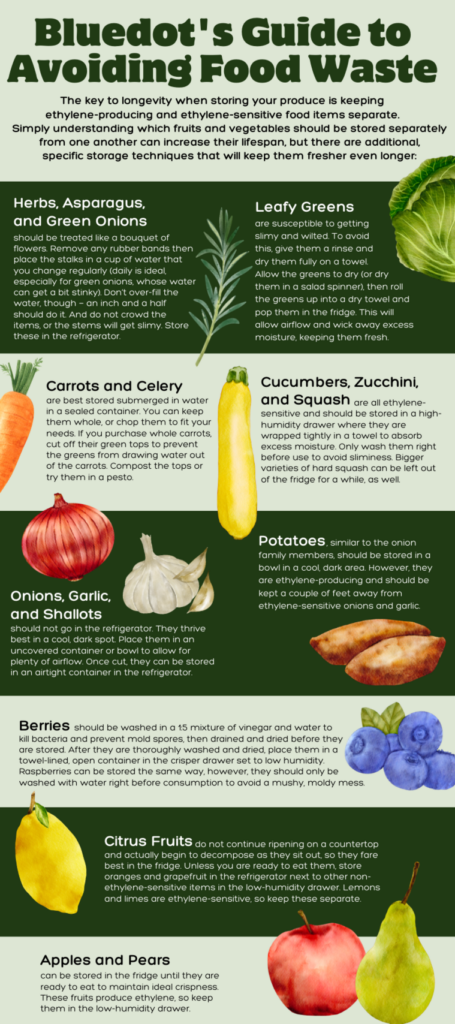
Now that we understand where the problem lies, let’s focus on the solution: proper storage techniques! Here are some simple tips to get you started:
- Store your fruits and vegetables in separate compartments or containers to maintain humidity and prevent ethylene gas from building up.
- Keep your apples and pears away from your potatoes and carrots, as they release ethylene gas, which can cause these veggies to spoil faster.
- Avoid storing onions near potatoes, as the sulfur compounds in onions can react with the moisture on the potatoes and cause them to sprout or rot.
Reviving Wilted Greens
Don’t let wilted greens go to waste! Here are a few tricks to revive them:
- Soak your greens in cold water for about 30 minutes before using them.
- Add a tablespoon of lemon juice to the water to help restore their color and texture.
The Power of Ethylene Gas
Did you know that ethylene gas is responsible for causing many fruits and vegetables to ripen or spoil? Here are some tips on how to manage this gas:
- Keep your bananas away from your other produce, as they release a high amount of ethylene gas.
- Store your apples and pears in the refrigerator to slow down their ripening process.
Freezing for Future Meals
Don’t let perfectly good vegetables go to waste! Here are some tips on how to freeze them:
- Blanch your carrots and green beans before freezing to preserve their texture and color.
- Freeze your peas and corn in ice cube trays for future use in soups, stews, or stir-fries.
Reducing Food Waste: A Step-by-Step Guide
Now that we’ve covered the basics of food waste reduction, here’s a step-by-step guide to help you get started:
- Plan Your Meals: Take some time each week to plan out your meals for the next few days.
- Make a Grocery List: Once you have a plan, make a list of all the ingredients you need and stick to it when you’re at the store.
- Shop Your Pantry First: Before going shopping, take stock of what you already have at home to avoid buying duplicate items.
Conclusion
Reducing food waste is easier than you think! By implementing these simple strategies into your daily routine, you can make a significant impact on the environment and save money in the process. So next time you’re about to toss those wilted greens or overripe bananas, remember: there’s always a way to use them up.
Frequently Asked Questions
Here are some common questions people have when it comes to reducing food waste:
-
How do I store my produce to keep it fresh for longer?
To keep your produce fresh, make sure you’re storing it in the right conditions. Different fruits and vegetables require different storage temperatures and humidity levels. -
What’s the best way to freeze vegetables without losing their texture or flavor?
Freezing is a great way to preserve vegetables, but there are some tips and tricks to keep in mind. Blanching before freezing can help retain color and texture, while freezing in ice cube trays can make it easier to use them in future meals. -
Can I compost food waste at home?
Composting can be a great way to reduce waste and create nutrient-rich soil for your garden. However, not all food waste is suitable for composting, so it’s essential to follow proper guidelines before adding new materials. -
What are some common mistakes people make when trying to reduce food waste?
Some common mistakes include overbuying produce, poor storage techniques, and not planning meals ahead of time. By being more mindful of these common pitfalls, you can avoid them and achieve your goal of reducing food waste. -
How much money can I save by reducing food waste?
Reducing food waste can lead to significant cost savings over time. By implementing strategies like meal planning and storage techniques, you can save money on groceries and reduce the amount of waste that ends up in landfills. -
What’s the environmental impact of reducing food waste?
The environmental impact of reducing food waste is substantial. When food waste ends up in landfills, it produces methane gas, a potent greenhouse gas that contributes to climate change. By reducing food waste, you can help mitigate this effect and create a more sustainable future for our planet.
Additional Tips
Here are some additional tips to further reduce food waste:
- Shop Your Neighbors: Consider sharing your excess produce with neighbors or friends who might be able to use it.
- Use Up Leftovers: Plan meals that can use leftover ingredients, such as turning last night’s roast chicken into tomorrow’s soup.
- Grow Your Own: If possible, consider growing some of your own fruits and vegetables. Not only will this reduce food waste but also provide you with fresh, nutritious produce right in your backyard.
By following these simple tips and strategies, you can make a significant impact on reducing food waste and creating a more sustainable future for our planet. So next time you’re about to toss those wilted greens or overripe bananas, remember: there’s always a way to use them up!


