
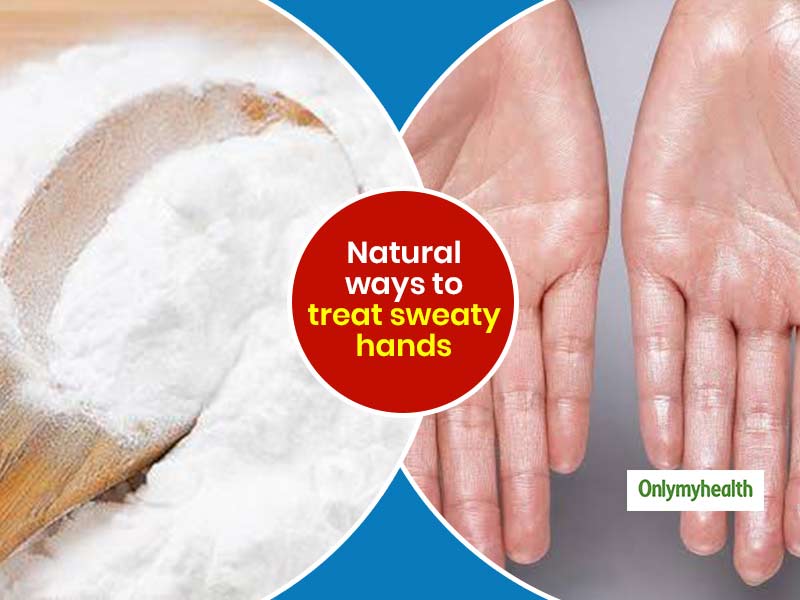
Hyperhidrosis is a common condition characterized by excessive sweating in the hands, often referred to as hyperhidrosis palmare. This article aims to explore the causes, remedies, and treatments available for this condition, which affects over 2% of the global population.
What is Hyperhidrosis?
Hyperhidrosis is a type of hyperhidrosis that involves excessive sweating in the hands. It can be triggered by various factors, including emotional stress, nervousness, or anxiety. In some cases, it may also be related to underlying medical conditions such as diabetes, thyroid disorders, or neurological problems.
Causes of Hyperhidrosis
The causes of hyperhidrosis are multifaceted and can vary depending on the individual. Some common causes include:
- Neurological factors: The overactive activation of sympathetic nerves in the nervous system can lead to excessive sweating.
- Emotional stress: Stress, anxiety, or nervousness can trigger hyperhidrosis.
- Medical conditions: Certain medical conditions such as diabetes, thyroid disorders, or neurological problems can contribute to hyperhidrosis.
- Genetic predisposition: Some people may be more prone to hyperhidrosis due to their genetic makeup.
Symptoms of Hyperhidrosis
The symptoms of hyperhidrosis can vary from person to person, but common characteristics include:
- Excessive sweating: The most obvious symptom is excessive sweating in the hands.
- Redness and inflammation: The affected area may become red, inflamed, or tender to the touch.
- Discomfort: Hyperhidrosis can cause significant discomfort, especially when performing daily activities.
Treatment Options for Hyperhidrosis
There are several treatment options available for hyperhidrosis, ranging from lifestyle changes to medical interventions. Some common treatments include:
- Topical treatments: Applying topical creams or ointments containing aluminum chloride or anticholinergics can help reduce sweating.
- Oral medications: Oral medications such as beta blockers or anticholinergics may be prescribed to treat hyperhidrosis.
- Surgery: In severe cases, surgical removal of the sweat glands (axillary surgery) may be considered.
Natural Remedies for Hyperhidrosis
In addition to medical treatments, there are several natural remedies that can help alleviate symptoms of hyperhidrosis. Some common natural remedies include:
- Baking soda: Baking soda can be applied topically or taken orally to help reduce sweating.
- Lemon juice: Lemon juice contains citric acid, which can help reduce sweat production.
- Tea tree oil: Tea tree oil has antimicrobial properties that may help soothe and calm the affected area.
Living with Hyperhidrosis
Living with hyperhidrosis requires patience, understanding, and lifestyle adjustments. Some tips for managing symptoms include:
- Wearing gloves: Wearing gloves during activities that trigger sweating can help reduce discomfort.
- Staying hydrated: Staying hydrated can help regulate body temperature and reduce sweat production.
- Practicing stress-reducing techniques: Stress-reducing techniques such as meditation or deep breathing can help manage emotional triggers.
Conclusion
Hyperhidrosis is a common condition that affects millions of people worldwide. Understanding the causes, symptoms, and treatment options can help individuals better manage their condition. By incorporating natural remedies and lifestyle adjustments, it’s possible to reduce discomfort and improve quality of life.
Frequently Asked Questions (FAQs)
- Q: Is hyperhidrosis a curable condition?
A: Hyperhidrosis is not typically considered a curable condition, but its symptoms can be managed with treatment. - Q: Can I develop hyperhidrosis as an adult?
A: Yes, hyperhidrosis can occur at any age, including adulthood. - Q: Is there a connection between hyperhidrosis and anxiety?
A: Yes, there is a strong correlation between hyperhidrosis and anxiety. Emotional stress can trigger sweating in individuals with hyperhidrosis. - Q: Can I use natural remedies to treat hyperhidrosis?
A: Yes, natural remedies such as baking soda, lemon juice, and tea tree oil may help alleviate symptoms of hyperhidrosis. - Q: Are there any lifestyle changes that can help manage hyperhidrosis?
A: Yes, incorporating lifestyle changes such as staying hydrated, practicing stress-reducing techniques, and wearing gloves during triggering activities can help manage symptoms.
Hyperhidrosis and Its Effects on Daily Life
Living with hyperhidrosis can significantly impact daily life. The condition can affect an individual’s confidence, self-esteem, and overall well-being. Some common effects of hyperhidrosis include:
- Social isolation: Hyperhidrosis can lead to social isolation due to feelings of embarrassment or shame.
- Emotional distress: Hyperhidrosis can cause significant emotional distress, including anxiety, depression, and stress.
- Physical discomfort: Hyperhidrosis can cause physical discomfort, including pain, redness, and inflammation.
Managing Hyperhidrosis in the Workplace
Hyperhidrosis can have a significant impact on an individual’s career and work performance. Some common challenges faced by individuals with hyperhidrosis in the workplace include:
- Stigma: Hyperhidrosis can lead to stigma and discrimination in the workplace.
- Workplace stress: Hyperhidrosis can cause significant stress and anxiety in the workplace.
- Performance issues: Hyperhidrosis can affect an individual’s performance, leading to missed deadlines, lost opportunities, and decreased job satisfaction.
Conclusion
Hyperhidrosis is a common condition that affects millions of people worldwide. Understanding the causes, symptoms, and treatment options can help individuals better manage their condition. By incorporating natural remedies and lifestyle adjustments, it’s possible to reduce discomfort and improve quality of life.
Frequently Asked Questions (FAQs)
- Q: Is hyperhidrosis a curable condition?
A: Hyperhidrosis is not typically considered a curable condition, but its symptoms can be managed with treatment. - Q: Can I develop hyperhidrosis as an adult?
A: Yes, hyperhidrosis can occur at any age, including adulthood. - Q: Is there a connection between hyperhidrosis and anxiety?
A: Yes, there is a strong correlation between hyperhidrosis and anxiety. Emotional stress can trigger sweating in individuals with hyperhidrosis. - Q: Can I use natural remedies to treat hyperhidrosis?
A: Yes, natural remedies such as baking soda, lemon juice, and tea tree oil may help alleviate symptoms of hyperhidrosis. - Q: Are there any lifestyle changes that can help manage hyperhidrosis?
A: Yes, incorporating lifestyle changes such as staying hydrated, practicing stress-reducing techniques, and wearing gloves during triggering activities can help manage symptoms.
Hyperhidrosis and Its Impact on Mental Health
Living with hyperhidrosis can have a significant impact on mental health. Some common effects of hyperhidrosis on mental health include:
- Anxiety: Hyperhidrosis can cause significant anxiety, including fear of sweating in public.
- Depression: Hyperhidrosis can lead to depression, including feelings of shame and self-consciousness.
- Stress: Hyperhidrosis can cause significant stress and anxiety, leading to burnout and decreased mental well-being.
Conclusion
Hyperhidrosis is a common condition that affects millions of people worldwide. Understanding the causes, symptoms, and treatment options can help individuals better manage their condition. By incorporating natural remedies and lifestyle adjustments, it’s possible to reduce discomfort and improve quality of life.
Frequently Asked Questions (FAQs)
- Q: Is hyperhidrosis a curable condition?
A: Hyperhidrosis is not typically considered a curable condition, but its symptoms can be managed with treatment. - Q: Can I develop hyperhidrosis as an adult?
A: Yes, hyperhidrosis can occur at any age, including adulthood. - Q: Is there a connection between hyperhidrosis and anxiety?
A: Yes, there is a strong correlation between hyperhidrosis and anxiety. Emotional stress can trigger sweating in individuals with hyperhidrosis. - Q: Can I use natural remedies to treat hyperhidrosis?
A: Yes, natural remedies such as baking soda, lemon juice, and tea tree oil may help alleviate symptoms of hyperhidrosis. - Q: Are there any lifestyle changes that can help manage hyperhidrosis?
A: Yes, incorporating lifestyle changes such as staying hydrated, practicing stress-reducing techniques, and wearing gloves during triggering activities can help manage symptoms.
Conclusion
Hyperhidrosis is a common condition that affects millions of people worldwide. Understanding the causes, symptoms, and treatment options can help individuals better manage their condition. By incorporating natural remedies and lifestyle adjustments, it’s possible to reduce discomfort and improve quality of life.


