
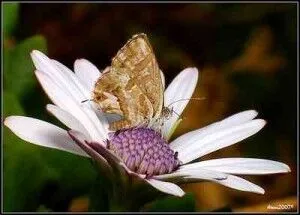
As the temperatures rise and spring awakens, we’re eager to celebrate with geraniums, filling our balconies and gardens with these beautiful flowers. However, with the arrival of warmer weather comes a new threat – the butterfly of geranium.
This insect may seem like a minor nuisance, but its impact can be devastating on our beloved flowers. In this article, we’ll delve into the world of the butterfly of geranium, exploring its origins, characteristics, and the measures we can take to prevent it from destroying our geraniums.
Understanding the Butterfly of Geranium
Also known as Cacyreus marshalli or Licena of Geranium, this insect is a testy and infidious foe that shouldn’t be ignored. Its origins are non-European, having arrived in Europe recently from Africa, where it was introduced through globalization. We’ve brought various geranium species into our gardens, but unfortunately, we also brought this butterfly with them.
The Enemy’s Characteristics
The butterfly of geranium is a small, grayish-brown insect with distinctive striations on its wings and body. Its larvae are green and 1 centimeter long, while the adult butterfly has a more subdued color palette, with gray or brown wings and yellowish stripes. To identify this pest, look for its “code” – a unique combination of markings on its body.
Geraniums Under Siege
When the butterfly of geranium attacks a plant, it leaves behind dark marks on the petals but often creates enormous holes in the leaves. As larvae, it feeds on the plant’s tissue, eventually growing into adult butterflies that lay eggs. These eggs hatch into larvae, which then begin to feed and grow, producing more eggs and starting the cycle anew.
The Butterfly of Geranium: A Threatening Cycle
The butterfly of geranium’s reproductive cycle is rapid, with some species producing up to five generations in a single year. This means that if we don’t take action, we may face an army of these pesky insects attacking our flowers.
Preventing the Spread
To prevent the spread of this insect, it’s essential to identify and eliminate its eggs before they hatch. Look for small, light-colored eggs on the undersides of leaves or on the stems of geraniums. When temperatures rise above 20°C in spring, these eggs will hatch, and the cycle will begin.
Effective Remedies
Since we lack natural predators in Europe, we must rely on other measures to combat this pest. Here are some effective remedies:
- Systemic Insecticides: These products can penetrate the plant’s tissues and protect it from the butterfly’s larvae for up to a month.
- Insecticidal Soap: This gentle, non-toxic solution can be used to control soft-bodied insects like the butterfly of geranium.
Resistant Geranium Varieties
If we’re unable to eliminate the butterfly of geranium entirely, we can try using resistant varieties of geraniums. Some popular options include:
- Abrotanifolium
- Denticulatum
- Filicifolium
- Grandiflorum
- Odoratissimum
Integrated Pest Management (IPM)
In addition to using resistant varieties and effective remedies, we can also adopt integrated pest management techniques. This approach involves a combination of physical barriers, biological controls, and cultural practices to minimize the impact of pests on our plants.
Some additional strategies for managing the butterfly of geranium include:
- Crop Rotation: Rotate your plantings to avoid planting geraniums in the same location year after year.
- Sanitation: Regularly clean up fallen leaves and debris from your garden, as these can provide shelter for the butterflies’ larvae.
- Traps: Create homemade traps using sticky tape or yellow sticky traps coated with a sweet liquid bait to lure the adult butterflies away from your plants.
Conclusion
The butterfly of geranium may seem like a minor nuisance, but it can have significant consequences for our beloved flowers. By understanding its characteristics and taking preventative measures, we can protect our geraniums from this pesky pest.
If you have any questions or concerns about the butterfly of geranium or other pests, feel free to ask.


