
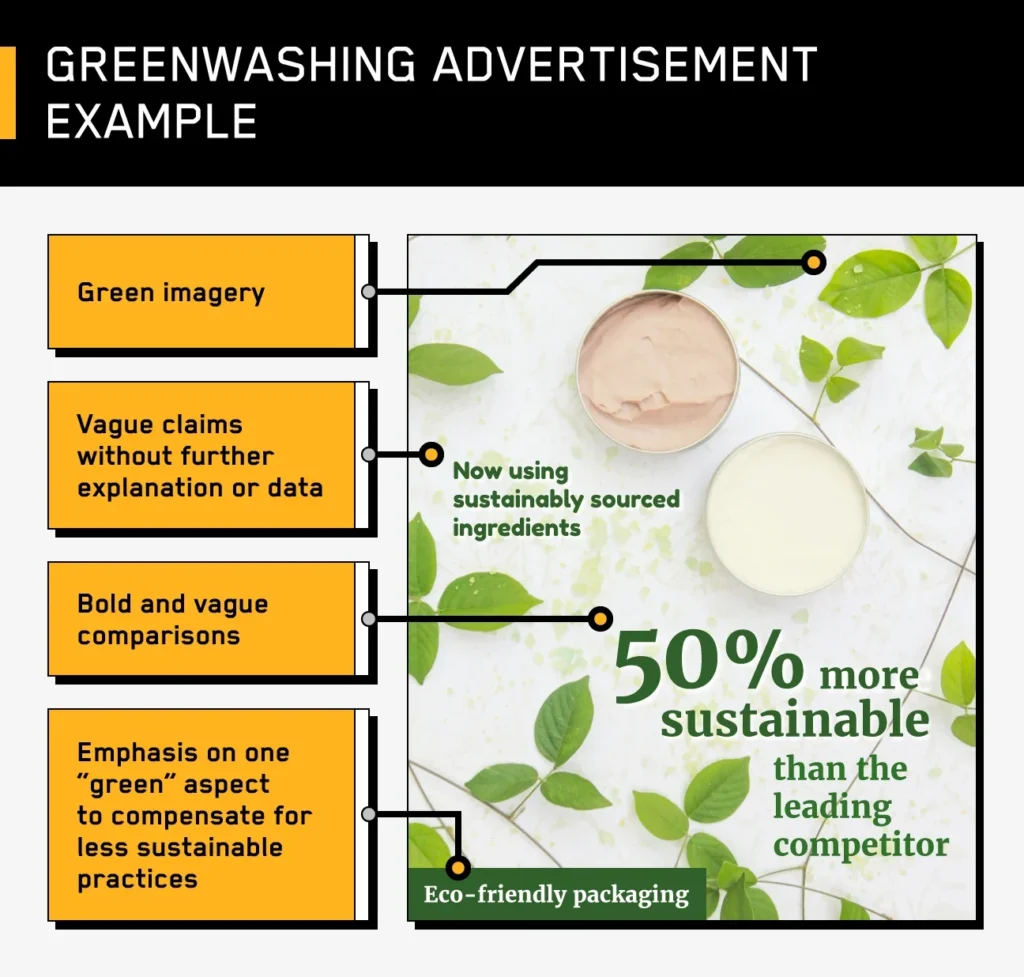
Greenwashing, a term coined recently to describe the act of “appropriating environmental virtues unfairly,” is a phenomenon that warrants attention and scrutiny. It’s essential to understand this concept to effectively counteract its negative effects.
What is Greenwashing?
Greenwashing refers to the practice of using environmental terminology to mask or downplay a company’s, organization’s, or individual’s true impact on the environment. This tactic is used to create a positive public image while avoiding responsibility for harm caused to the environment. In essence, greenwashing is a deliberate attempt to deceive consumers and stakeholders about a product or service’s sustainability claims.
The Rise of Greenwashing
Greenwashing has become a growing concern in recent years, particularly with the increasing focus on sustainable living and environmental conservation. The 2013 EOS Exposition of Sustainability event in Udine, Italy, brought attention to this issue, featuring prominent figures from politics, business, and media. This event marked a turning point in the discussion around greenwashing, highlighting its prevalence and potential consequences.
The Importance of Distinguishing between Greenwashing and True Sustainable Practices
At the EOS Exposition of Sustainability event, Debora Serracchiani, the newly appointed president of the Friuli Venezia Giulia region, emphasized the need for immediate action to address environmental crises. She also acknowledged that long-term planning is crucial to mitigate these effects.
Mario Tozzi, a geologist and TV presenter, shared his perspective on the potential for the Friuli region to become a hub for sustainable practices and innovation. He highlighted the importance of efficiency in achieving sustainability, stating that “the more efficient we are, the more sustainable we become.”
The State of Sustainable Practices in Italy
During the event, data presented by the Camera di Commercio di Udine indicated that green businesses now account for 25% of all Italian enterprises. Moreover, approximately 360,000 companies have invested in sustainable practices.
However, despite these positive developments, challenges persist. The consumption of arable land and transportation-related emissions remain concerns. These issues underscore the need for continued awareness and vigilance regarding sustainable practices.
The Role of Greenwashing in Sustainable Living
Understanding the concept of greenwashing is essential to identify genuine sustainable practices from deceptive marketing claims. By recognizing the differences between these two, individuals can make informed choices about their purchasing decisions and support companies that truly prioritize environmental sustainability.
To effectively address the issue of greenwashing, it’s crucial to understand its various forms and manifestations. This includes:
- Overstating Environmental Benefits: Companies may exaggerate or misrepresent the environmental benefits of a product or service.
- Misleading Labeling: Labels or certifications that claim to represent sustainability but do not actually guarantee environmentally friendly practices.
- Vagueness: Using vague terms like “eco-friendly” or “sustainable” without providing concrete evidence to back up these claims.
The Consequences of Greenwashing
Greenwashing can have significant consequences, including:
- Confusion among Consumers: Greenwashing can lead to confusion about what products and services are truly sustainable.
- Undermining Trust in Environmental Messaging: Repeated instances of greenwashing can erode trust in environmental messages and undermine the effectiveness of sustainability initiatives.
- Hindering Meaningful Progress toward Sustainability Goals: Greenwashing can distract from genuine efforts to reduce environmental impact and hinder progress toward sustainability goals.
Conclusion
Greenwashing may seem like a minor issue, but its impact on the environment cannot be underestimated. As we strive for a more sustainable future, it is crucial to distinguish between genuine sustainable practices and deceptive marketing claims. By understanding the concept of greenwashing and its implications for sustainable living, we can work together to create a more environmentally conscious and responsible marketplace.
Frequently Asked Questions (FAQs)
- What are the consequences of greenwashing?
Greenwashing can lead to confusion among consumers, undermine trust in environmental messaging, and hinder meaningful progress toward sustainability goals. - How can I identify genuine sustainable practices?
Look for third-party certifications, transparent supply chains, and a clear commitment to reducing environmental impact from companies and organizations. - What role does education play in combating greenwashing?
Education is crucial in raising awareness about the dangers of greenwashing and empowering consumers with the knowledge they need to make informed choices. - How can I support companies that genuinely prioritize sustainability?
Research a company’s environmental record, look for transparent reporting on their website, and engage with them directly through social media or customer service. - What is the difference between sustainable practices and greenwashing?
Sustainable practices focus on reducing environmental harm while generating long-term benefits, whereas greenwashing aims to create a positive public image by misrepresenting environmental claims. - How can I report instances of greenwashing?
Contact regulatory bodies, file complaints with consumer protection agencies, or share your concerns with companies directly. - What is the impact of greenwashing on consumer behavior?
Greenwashing can lead to complacency among consumers, who may feel that all products are equally sustainable. This can result in decreased demand for environmentally responsible choices and a lack of pressure on companies to improve their sustainability performance. - Can I trust eco-labels and certifications?
While some eco-labels and certifications are legitimate, others may be misleading or created by industries seeking to profit from the greenwashing phenomenon. Always research the credibility of these labels and consider multiple sources before making purchasing decisions.
By understanding the concept of greenwashing and its implications for sustainable living, we can work together to create a more environmentally conscious and responsible marketplace.


