
Introduction
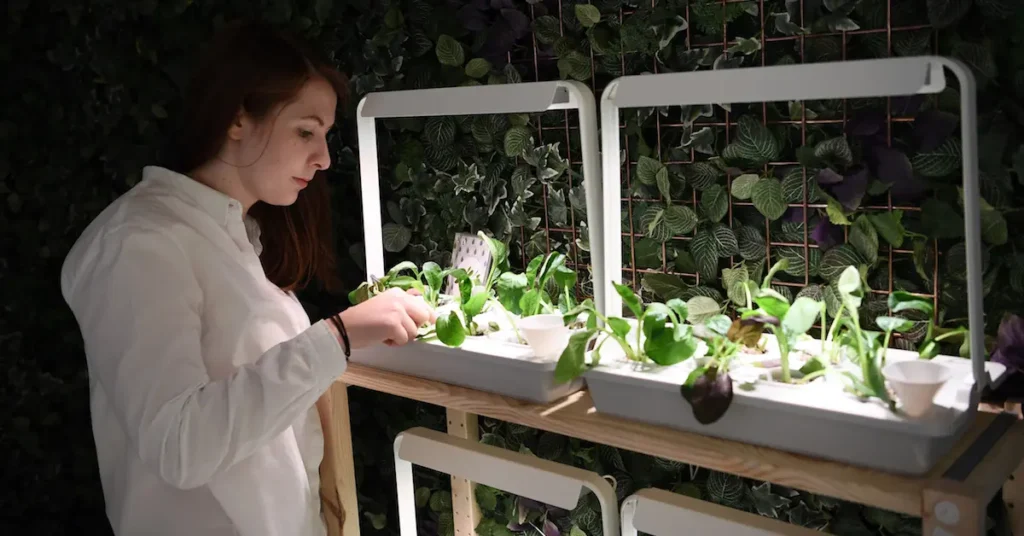
Hydroponic gardening is a method of growing plants without the use of soil. Instead, the plant’s roots are suspended in a nutrient-rich solution that provides all the necessary nutrients for growth. In this article, we’ll explore the benefits and challenges of hydroponic gardening at home, as well as provide a step-by-step guide on how to set up a simple hydroponic system.
What is Hydroponic Gardening?
Hydroponic gardening involves growing plants in a nutrient-rich solution rather than soil. This method allows for increased control over the growing conditions and can result in faster growth rates and higher yields. However, it also requires more investment and maintenance compared to traditional soil-based gardening.
Benefits of Hydroponic Gardening
- Increased crop yields: Hydroponic gardening allows for precise control over the nutrient solution, resulting in faster growth rates and higher yields.
- Reduced water usage: Hydroponic systems use significantly less water than traditional soil-based gardens, making them an attractive option for water-conscious gardeners.
- Improved crop quality: Hydroponic gardening can result in higher-quality crops due to better control over growing conditions and reduced pest and disease pressure.
- Reduced land use: Hydroponic systems can be designed to fit into small spaces, making them ideal for urban gardeners or those with limited outdoor space.
However, hydroponic gardening can also be challenging, especially for beginners. In the next section, we’ll discuss some common challenges and solutions.
Challenges of Hydroponic Gardening
One of the main challenges of hydroponic gardening is the initial investment required to set up a system. This includes purchasing specialized equipment, such as pumps and nutrient dosing systems. Additionally, hydroponic gardens require more maintenance than traditional soil-based gardens, including regular water changes and pH adjustments.
Despite these challenges, many gardeners find hydroponic gardening to be a rewarding and productive hobby. With the right equipment and knowledge, anyone can successfully grow a variety of plants using this method.
Choosing the Right Equipment
When it comes to choosing equipment for your hydroponic garden, there are several factors to consider. These include:
- Pump: A pump is necessary to circulate the nutrient solution throughout the system.
- Nutrient dosing system: This system ensures that the right amount of nutrients are added to the solution at the right time.
- Grow medium: The grow medium, such as rockwool or coco coir, provides a base for the plant’s roots to grow in.
Some popular options for hydroponic growers include:
- NFT (Nutrient Film Technique) systems
- Ebb and Flow systems
- DWC (Deep Water Culture) systems
Each of these systems has its own advantages and disadvantages, so it’s essential to research and choose the one that best suits your needs.
Setting Up a Hydroponic System
Once you’ve chosen your equipment, it’s time to set up your hydroponic system. Here are the basic steps:
- Prepare the grow medium: Choose a suitable grow medium for your plants.
- Assemble the system: Follow the manufacturer’s instructions to assemble the pump, nutrient dosing system, and other components.
- Add water and nutrients: Fill the system with water and add the necessary nutrients.
Common Hydroponic Gardening Mistakes
While hydroponic gardening can be a rewarding hobby, there are several common mistakes that growers make. Here are some of the most common mistakes to avoid:
- Over- or under-fertilization: Make sure to follow the manufacturer’s instructions for nutrient dosing.
- Inadequate pH adjustment: Regularly test and adjust the pH level in your system.
- Insufficient light: Provide adequate lighting for plant growth.
By avoiding these common mistakes, you can ensure a successful hydroponic gardening experience.
Tips for Beginners
If you’re new to hydroponic gardening, here are some tips to get you started:
- Start small: Begin with a small system and gradually scale up as you gain more experience.
- Research and learn: Take the time to research and understand the basics of hydroponic gardening before starting out.
- Join a community: Connect with other hydroponic gardeners online or in-person to share knowledge and advice.
By following these tips and avoiding common mistakes, you can set yourself up for success in hydroponic gardening. Whether you’re a seasoned gardener or just starting out, this method offers endless opportunities for growth and exploration.
Conclusion
Hydroponic gardening is a unique and rewarding way to grow plants. With the right equipment and knowledge, anyone can successfully cultivate a variety of crops using this method. While there are challenges associated with hydroponic gardening, many growers find it to be a worthwhile investment of time and resources.
In the next section, we’ll answer some frequently asked questions about hydroponic gardening.
Frequently Asked Questions
- Q: What is the best type of grow medium for hydroponic gardening?
A: The best grow medium for hydroponic gardening depends on the specific needs of your plants. Common options include rockwool, coco coir, and clay pebbles. - Q: How do I ensure adequate pH levels in my hydroponic system?
A: Regularly test and adjust the pH level in your system using a pH meter or pH test strips. - Q: What are some common mistakes to avoid when hydroponic gardening?
A: Some common mistakes to avoid include over- or under-fertilization, inadequate pH adjustment, and insufficient light.
By following these tips and avoiding common mistakes, you can ensure a successful hydroponic gardening experience.


