
As you walk out of the supermarket with a cart full of products wrapped in plastic bags, scatolame, and other items that have traveled thousands of miles before reaching your kitchen table, it’s hard not to think about the environmental impact of your daily choices. But what if you could make a significant difference by simply changing your shopping habits? In this article, we’ll explore the concept of an “Environmental Footprint” (EF) and provide 15 practical tips to help you reduce your EF.
What is Your Environmental Footprint?
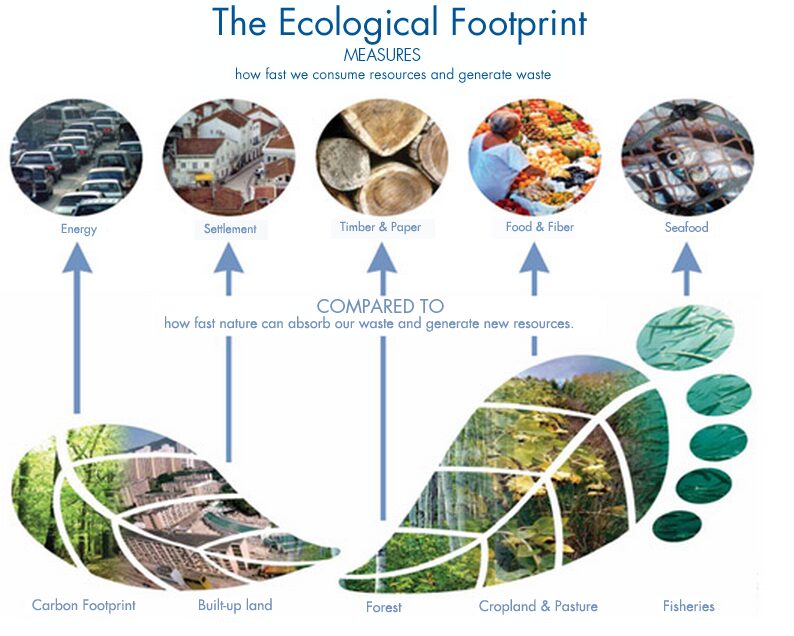
The Environmental Footprint (EF) is a method of measuring humanity’s ecological footprint, developed by William Rees in the early 1990s. It assesses the demand for natural resources and compares it to the Earth’s capacity to regenerate them. In other words, it calculates the number of hectares of biologically productive land required to support your daily consumption.
The EF considers six main categories of territory:
- Land use for energy: The area of forest needed to absorb CO2 emissions from fossil fuel combustion.
- Agricultural land: The arable land used for food production and other products (such as jute, tobacco, etc.).
- Pastures: The area designated for livestock grazing.
- Forests: The area allocated for wood production.
- Built-up area: The surface dedicated to residential areas, industrial sites, service areas, and transportation infrastructure.
- Marine territory: The ocean area used for resource extraction (such as fishing).
It’s essential to note that the EF calculation only considers CO2 emissions and excludes other greenhouse gases.
Limitations of the Environmental Footprint Method
While the EF is a useful tool for measuring environmental impact, it has its limitations. For example:
- The method does not account for non-renewable energy sources.
- It ignores the storage needs for nuclear waste.
- The calculated value is often underestimates the true extent of environmental damage.
Despite these limitations, the EF remains an essential framework for understanding our ecological footprint and identifying areas for improvement.
Reducing Your Environmental Footprint: 15 Practical Tips
By incorporating these simple changes into your daily habits, you can significantly reduce your Environmental Footprint:
- Reduce, Reuse, Recycle: Minimize waste by reducing consumption, reusing items when possible, and recycling materials.
- Use Renewable Energy: Switch to solar or wind power for your home and workplace.
- Sustainable Transportation: Opt for public transport, cycling, or walking instead of driving.
- Eat Sustainably: Choose locally sourced, organic food and reduce meat consumption.
- Eco-Friendly Products: Select products with biodegradable packaging and minimal waste generation.
- Conserve Water: Reduce water usage by taking shorter showers and fixing leaks.
- Energy-Efficient Appliances: Install energy-efficient appliances and lighting in your home and workplace.
- Avoid Plastic: Refuse single-use plastics, such as straws, bags, and water bottles.
- Plant Trees: Support reforestation efforts and plant trees to absorb CO2 emissions.
- Green Electricity: Choose electricity providers that offer green energy options.
- Natural Cleaning Products: Switch to eco-friendly cleaning products with natural ingredients.
- Support Local Economy: Buy locally produced goods to reduce transportation-related emissions.
- Repair, Don’t Replace: Fix items instead of replacing them to reduce waste and consumption.
- Educate Yourself and Others: Share your knowledge with others and encourage sustainable practices.
- Make Sustainable Choices for Your Family: Involve your children in eco-friendly activities and set a good example.
By implementing these 15 tips, you’ll not only reduce your Environmental Footprint but also contribute to a more sustainable future for our planet.
The Benefits of Reducing Your Environmental Footprint
Reducing your Environmental Footprint has numerous benefits for both individuals and the environment. Some of the most significant advantages include:
- Climate change mitigation: By reducing greenhouse gas emissions, you can help slow down global warming.
- Water conservation: By conserving water, you can reduce the strain on this vital resource and ensure its availability for future generations.
- Biodiversity preservation: By protecting natural habitats and preserving ecosystems, you can help preserve biodiversity and maintain healthy ecosystems.
- Improved public health: By reducing air pollution and promoting sustainable practices, you can improve public health and well-being.
- Economic benefits: By adopting eco-friendly habits and supporting sustainable industries, you can save money and contribute to economic growth.
Challenges and Opportunities in Reducing Your Environmental Footprint
While there are many benefits to reducing your Environmental Footprint, there are also challenges and opportunities that come with this journey. Some of the most significant ones include:
- Lifestyle changes: Adopting eco-friendly habits may require significant lifestyle changes, which can be difficult for some individuals.
- Behavioral patterns: Changing behavioral patterns, such as transportation habits or consumption patterns, requires a long-term commitment to sustainability.
- Technological advancements: New technologies and innovations can help reduce environmental impact, but they also present new challenges and opportunities for sustainable development.
- Policy-making: Governments and policymakers have an essential role in creating policies that support sustainable practices and reduce environmental degradation.
Innovative Solutions for Reducing Environmental Impact
As we strive to reduce our Environmental Footprint, it’s essential to stay up-to-date with innovative solutions and technologies that can help minimize environmental impact. Some of the most promising ones include:
- Bioplastics: Biodegradable plastics made from renewable resources can significantly reduce plastic waste.
- Urban agriculture: Growing food in urban areas can increase food security while reducing transportation emissions.
- Smart grids: Optimizing energy distribution through smart grid technology can reduce energy waste and promote sustainable practices.
Conclusion
Reducing our Environmental Footprint requires small, incremental changes to our daily habits. By understanding the concept of an Environmental Footprint and incorporating practical tips into our lives, we can make a significant difference in mitigating climate change and preserving the health of our planet. Remember, every small action counts, and collective efforts can lead to substantial positive change.
Frequently Asked Questions
- Q: What is the most effective way to reduce my Environmental Footprint?
A: The most effective way to reduce your EF is by making a combination of changes to your daily habits, such as reducing energy consumption, using public transport, and eating sustainably. - Q: Can I really make a difference with small changes?
A: Yes, every small action counts, and collective efforts can lead to substantial positive change. - Q: How can I measure my Environmental Footprint?
A: You can calculate your EF by using online tools or consulting with an environmental consultant. - Q: What are some common mistakes people make when trying to reduce their Environmental Footprint?
A: Common mistakes include overestimating the effectiveness of individual actions, underestimating the impact of consumption patterns, and failing to involve others in sustainable practices. - Q: How can I support organizations working to reduce environmental degradation?
A: You can donate to reputable organizations, volunteer your time, or spread awareness about environmental issues through social media and community outreach. - Q: Can I offset my Environmental Footprint by investing in carbon credits?
A: While carbon credits can help offset emissions, it’s essential to understand that this approach has limitations and may not address the root causes of environmental degradation. - Q: How can I involve my family in reducing our Environmental Footprint?
A: Educate your children about sustainable practices, set a good example by incorporating eco-friendly habits into your daily routine, and encourage them to participate in environmentally friendly activities. - Q: What are some innovative solutions for reducing environmental impact?
A: Innovative solutions include the use of bioplastics, urban agriculture, and smart grids that optimize energy distribution. - Q: Can I reduce my Environmental Footprint by making lifestyle changes?
A: Yes, simple changes to your daily habits, such as reducing meat consumption or using public transport, can significantly reduce your EF. - Q: How can I stay motivated to reduce my Environmental Footprint over the long term?
A: Celebrate small victories, share your progress with others, and remind yourself of the importance of environmental sustainability for future generations.


