
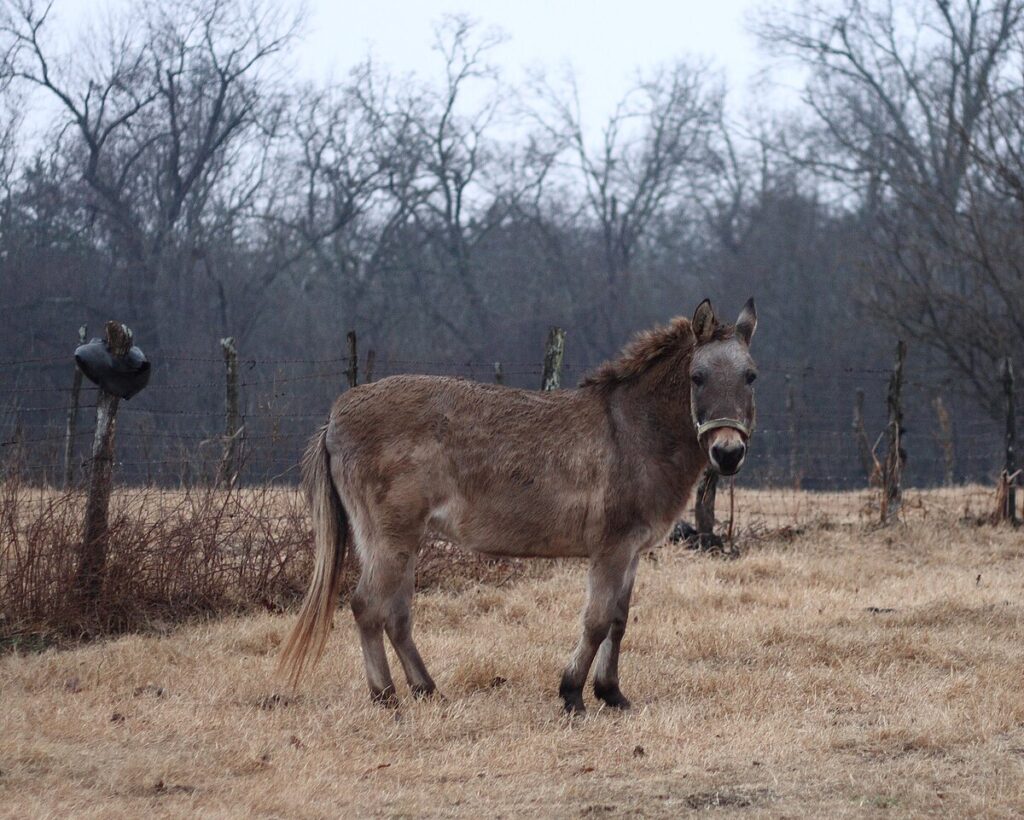
The Bardotto: Understanding the Misunderstood Horse Hybrid
As an animal that is often confused with an ass, the bardotto remains a mystery to many. Despite its striking resemblance to an ass, it’s actually a hybrid of a horse and an ass. In this article, we’ll delve into the world of bardottos, exploring their origin, characteristics, and differences from other equine species.
Origins of the Bardotto
The bardotto is an ibrido, born from the mating of a horse with an ass. This hybrid results in offspring that are generally infertile, although some female bardoottos can occasionally produce fertile offspring. Historically, this hybrid played a significant role in human society, particularly during times of conflict. They were used as pack animals and transport carriers for heavy loads.
Historical Significance
During the World War I and II eras, bardottos found employment on the battlefields, carrying ammunition, food, and other supplies. However, their use declined significantly with the advent of modern machinery and technology. Today, bardottos are mainly kept in Italy, particularly in Sicily, where they continue to be raised for their meat.
Characteristics
Bardottos inherit physical traits from both parents, making them robust and hardworking animals. Their body shape resembles that of a horse, with a slightly rounded physique and a thick criniera (mane). The ears are shorter than those of horses but longer than those of mules. Their legs are straighter, resembling those of horses.
Their coats can display various colors and patterns, including white, gray, and brown, with the exception of the tobiano pattern, which is not possible for bardoottos due to their genetic makeup.
Communication Style
Bardottos also share communication traits with horses. They make a distinctive sound by exhaling air through their nostrils, creating a characteristic “nitrito” or “bleat” noise, rather than the usual horse neigh.
Distinguishing Features from Mules and Asinos
To differentiate between mules (the offspring of a male donkey and a female horse), asinos (domestic donkeys) and bardottos requires attention to their physical characteristics.
- Mule: The result of mating a male donkey with a female horse. They have a distinctive appearance, with ears that are too small for horses but too large for donkeys.
- Asino: A domesticated donkey. Equus asinus is the scientific name for this species, which includes the burro and jackasses.
- Bardotto: The hybrid of a horse and an ass. They share characteristics with both parents, including robustness and hard work.
Conclusion
In conclusion, the bardotto is an intriguing equine hybrid that defies easy categorization. With its striking resemblance to asins and its robust physical traits, it’s no wonder why it has garnered attention in recent years. By exploring the origins, characteristics, and differences of this unique animal, we can gain a deeper understanding of the world of equines.
Frequently Asked Questions (FAQs)
-
What is a bardotto?
- A hybrid of a horse and an ass.
-
Where are bardoottos found today?
-
Italy, particularly in Sicily.
-
Why were bardottos used during World War I and II?
-
As pack animals and transport carriers for heavy loads.
-
What is the average lifespan of a bardotto?
-
Typically around 25 years, but can live up to 30 years with proper care.
-
Can bardoottos be used as riding horses?
-
Yes, they make excellent riding animals due to their robustness and intelligence.
-
Are all mules or asinos fertile?
-
Mules are usually infertile, while some female asinos can produce fertile offspring under certain circumstances.
-
How do bardoottos communicate with each other?
-
They make a distinctive “nitrito” or “bleat” noise by exhaling air through their nostrils.
By understanding the complexities of this hybrid animal, we can gain a deeper appreciation for its unique characteristics and role in equine history.


