
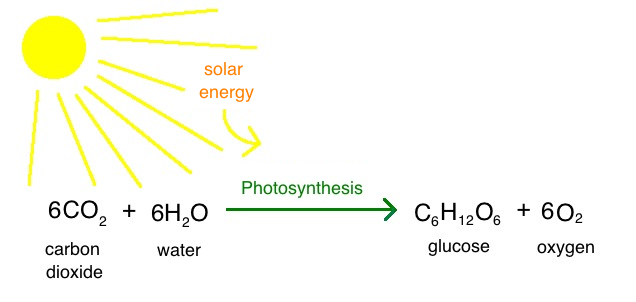
Photosynthesis is often referred to as a “magical” process that allows plants and other organisms to produce carbohydrates and organic compounds from carbon dioxide and water. However, it’s actually a complex biochemical reaction that involves light energy. In this article, we’ll delve into the world of photosynthesis and explore its formula, mechanisms, products, and alternatives.
What is Photosynthesis?
Photosynthesis is the process by which plants, algae, and some bacteria convert carbon dioxide and water into glucose and oxygen using sunlight as an energy source. This process involves two stages: the light-dependent reaction and the light-independent reaction (Calvin cycle).
The Light-Dependent Reaction
The first stage of photosynthesis occurs in specialized organelles called chloroplasts, which contain pigments such as chlorophyll. Chlorophyll absorbs light energy from the sun and transfers it to a molecule called ATP (adenosine triphosphate), which is used to power the conversion of carbon dioxide into glucose.
The light-dependent reaction involves several key steps:
- Light absorption: Chlorophyll absorbs light energy from the sun and transfers it to a molecule called pheophytin.
- Electron transfer: Pheophytin transfers electrons to a molecule called plastocyanin, which is then passed on to other molecules in the electron transport chain.
- ATP synthesis: The energy from the electrons is used to generate ATP through the process of chemiosmosis.
The Light-Independent Reaction (Calvin Cycle)
In the second stage of photosynthesis, carbon dioxide is fixed into glucose using energy from ATP and NADPH. This process involves a series of enzyme-catalyzed reactions that ultimately produce glucose as a product.
The Calvin cycle can be divided into three stages:
- Carbon fixation: Carbon dioxide is fixed into a molecule called 3-phosphoglycerate (3-PGA) through the action of the enzyme RuBisCO.
- Reduction: 3-PGA is reduced to form glyceraldehyde-3-phosphate (G3P) using energy from ATP and NADPH.
- Regeneration: The G3P molecules are converted back into RuBP, which can then be used again in the carbon fixation stage.
Products of Photosynthesis
Photosynthesis produces two main products: glucose and oxygen. Glucose serves as an energy source for plants, while oxygen is released into the atmosphere and is essential for life on Earth.
- Glucose (C6H12O6): A simple sugar produced from carbon dioxide and water that serves as an energy source for plants.
- Oxygen (O2): Released into the atmosphere during photosynthesis and essential for life on Earth.
Foods That Are Produced by Photosynthesis
Plants produce a variety of foods through photosynthesis, including:
- Sugars: Glucose, fructose, and sucrose are all produced by plants through photosynthesis.
- Starch: A complex carbohydrate made up of glucose molecules that serves as energy storage for plants.
Foods That Are Not Produced by Photosynthesis
Humans and animals do not produce their own food through photosynthesis. Instead, we obtain our energy from the food we eat, which is produced by photosynthetic organisms such as plants and algae.
- Carbohydrates: Humans and animals consume carbohydrates, such as bread and fruits, that are produced by plants.
- Proteins: We also consume proteins, such as meat and dairy products, that are obtained from animals.
Photosynthesis in Other Organisms
While plants are the most well-known photosynthetic organisms, other organisms such as algae and certain bacteria also undergo photosynthesis. These organisms have evolved unique mechanisms for capturing light energy and converting it into chemical energy.
- Algae: A diverse group of eukaryotic organisms that undergo photosynthesis to produce glucose and oxygen.
- Cyanobacteria: A type of prokaryotic bacteria that undergoes photosynthesis to produce glucose and ATP.
Alternative Forms of Photosynthesis
While the photosynthesis reaction we’ve discussed is the most well-known, there are alternative forms of photosynthesis that have evolved in other organisms. These include:
- Chemosynthesis: A process by which certain microorganisms use chemical energy instead of light energy to produce organic compounds.
- Thermosynthesis: A process by which certain microorganisms use heat energy to produce organic compounds.
Chemosynthesis
Chemosynthesis is a process by which certain microorganisms, such as bacteria and archaea, use chemical energy to produce organic compounds. This process involves the oxidation of inorganic compounds, such as hydrogen sulfide or iron oxide, to produce carbon-based compounds.
The chemosynthetic process typically involves several key steps:
- Oxidation: Inorganic compounds are oxidized to produce electrons.
- Electron transfer: The electrons are transferred to a molecule called ferredoxin, which is then used to generate ATP.
- Carbon fixation: The energy from the electrons is used to fix carbon into organic compounds.
Thermosynthesis
Thermosynthesis is a process by which certain microorganisms, such as archaea and bacteria, use heat energy to produce organic compounds. This process involves the oxidation of inorganic compounds, such as ammonia or hydrogen sulfide, to produce carbon-based compounds.
The thermosynthetic process typically involves several key steps:
- Oxidation: Inorganic compounds are oxidized to produce electrons.
- Electron transfer: The electrons are transferred to a molecule called ferredoxin, which is then used to generate ATP.
- Carbon fixation: The energy from the electrons is used to fix carbon into organic compounds.
Conclusion
Photosynthesis is a complex biochemical reaction that allows plants and other organisms to convert carbon dioxide and water into glucose and oxygen using sunlight as an energy source. The formula for photosynthesis represents the conversion of carbon dioxide, water, and light energy into glucose and oxygen, with two main products: glucose and oxygen.
By understanding the mechanisms of photosynthesis, we can appreciate the importance of this process in supporting life on Earth. Whether it’s through food production or atmospheric oxygenation, photosynthesis plays a critical role in sustaining our planet.
FAQs
- What is the purpose of photosynthesis?
Photosynthesis allows plants and other organisms to produce carbohydrates and organic compounds from carbon dioxide and water using sunlight as an energy source. - How do plants make glucose through photosynthesis?
Plants use light energy to power the conversion of carbon dioxide into glucose, which is then used to synthesize ATP and NADPH. - What is the role of chlorophyll in photosynthesis?
Chlorophyll absorbs light energy from the sun and transfers it to a molecule called ATP, which is used to power the conversion of carbon dioxide into glucose. - How does oxygen production occur during photosynthesis?
Oxygen is produced as a byproduct of the light-dependent reaction, where water molecules are split to produce hydrogen ions, electrons, and oxygen gas. - What is the difference between chemosynthesis and thermosynthesis?
Chemosynthesis uses chemical energy instead of light energy to produce organic compounds, while thermosynthesis uses heat energy to produce organic compounds. - How do other organisms undergo photosynthesis?
Other organisms, such as algae and certain bacteria, have evolved unique mechanisms for capturing light energy and converting it into chemical energy through photosynthesis. - What are some of the products of photosynthesis?
Glucose is a simple sugar produced from carbon dioxide and water that serves as an energy source for plants, while oxygen is released into the atmosphere and essential for life on Earth. - Why is photosynthesis important for human health?
Photosynthesis is essential for life on Earth, providing us with glucose through food production and releasing oxygen that we need to breathe.
References
- Berg, H. C., & Löw, E. (2006). Biochemistry (6th ed.). New York: W.H. Freeman and Company.
- Campbell, N. A., Reece, J. B., & Urry, L. A. (2013). Biology (8th ed.). San Francisco: Pearson Education.
- Coyne, D. J. (2005). Photosynthesis: The Chemistry of Life. New York: Academic Press.
- Gilbert, E. S., & Nutter, W. C. (1996). Plant Biochemistry and Molecular Biology. Boston: Jones & Bartlett Learning.
Glossary
- ATP: Adenosine triphosphate, a molecule that stores energy for cellular processes.
- Chlorophyll: A pigment found in plants that absorbs light energy from the sun.
- Calvin cycle: The light-independent reaction of photosynthesis, where carbon dioxide is fixed into glucose using energy from ATP and NADPH.
- C3 pathway: A type of CO2 fixation mechanism used by many plants to produce glucose through photosynthesis.
- Ferredoxin: A molecule that stores electrons and is used to generate ATP in chemosynthetic organisms.
Online Resources
- National Center for Biotechnology Information (NCBI). (2020). Photosynthesis. Retrieved from https://www.ncbi.nlm.nih.gov/pubmed/21884143
- United States Department of Agriculture (USDA). (2020). Plant Nutrition and Photosynthesis. Retrieved from https://www.ars.usda.gov/plains-agricultural-research-station/PAN-Plant-Nutrition-and-Photosynthesis/


