
Conserving Water in the Bathroom: Small Changes for a Big Impact
As our civic duty, conserving water in the bathroom is crucial not only to reduce costs on our water bills but also to ensure a dignified life with minimal water usage. According to the World Health Organization (WHO), the minimum amount of water required per human survival is 40 liters per person per day, including water for agriculture, drinking, cooking, and personal hygiene.
However, water consumption varies significantly across different regions and continents. For instance, in Africa, the average daily water consumption per person is around 20 liters, in India it’s around 25 liters, while in Europe (averaging among states), it’s approximately 165 liters, but in Italy, it surpasses 240 liters. In the United States, the average stands at an astonishing 425 liters.
Fortunately, many parts of Italy have access to abundant water with relatively low costs compared to their income levels. Nevertheless, the Italian water system and sewage networks face significant challenges, especially when it comes to waste management. The lack of proper maintenance could lead to more severe losses in the future, potentially increasing the cost of water.
While we cannot directly control these systemic issues, individuals can take proactive steps to significantly reduce their daily water consumption by adopting a few simple habits:
Abuses to Avoid
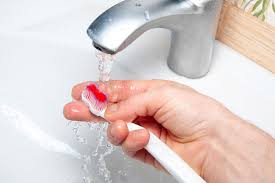
- Leaving the Tap On: Leaving the tap running while brushing your teeth or shampooing your hair is one of the most common ways people waste water.
- Taking Long Showers: Taking long showers can lead to significant water loss, as hot water takes more time to warm up than cold water.
- Using a Single-Function Showerhead: Using an unsuitable showerhead that doesn’t allow you to adjust the water flow based on your needs wastes water.
Solutions and Innovations
To rectify these issues, consider using a low-flow showerhead or installing one with adjustable settings. Some innovative products like the Geberit Monolith WC can significantly reduce water consumption while still providing a luxurious experience. This model is equipped with an advanced flushing system that minimizes waste and achieves excellent hygiene.
The Geberit Monolith offers not only efficiency but also style, available in three colors for sinks and bidets (brown, terra d’ombra, white), and four colors for toilets (green water, brown terra d’ombra, black, white).
Another simple yet effective way to conserve water is by taking shorter showers or opting for a shower instead of a bath. Showers typically use 50% less water than baths.
Kitchen Water Conservation
In the kitchen, making several changes can also lead to significant savings:
- Reducing Running Water: Avoid letting water run while washing dishes, even if it seems like only a little is needed.
- Using Colander or Strainer Instead of Dishwasher: Using a colander or strainer when washing vegetables under running water reduces the amount of water used compared to a dishwasher.
- Collecting Cottaged Water: Saving water from cooking pasta, rice, and other grains to use for watering plants is another innovative technique.
A Simple Trick: Adding Air
Another simple trick to reduce water usage is by adding air into your showerhead. This practice, known as aerating the water, helps make it more efficient without using more water.
By incorporating these easy-to-implement changes and adopting sustainable practices, individuals can significantly contribute to reducing their daily water consumption while ensuring a comfortable living environment.
Tips for Reducing Water Consumption in Different Regions
If you live in an area with limited access to clean water or where conserving water is particularly challenging due to climate conditions, here are some additional tips:
- Harvest Rainwater: If possible, install a rainwater harvesting system to collect and store rainwater for non-potable purposes like watering plants.
- Use Drought-Tolerant Plants: Choose plants that require minimal watering, such as succulents or cacti, to reduce the need for frequent watering.
- Implement Water-Efficient Irrigation Systems: Use drip irrigation systems or soaker hoses to deliver water directly to the roots of plants, reducing evaporation and runoff.
How to Make Your Home Water-Efficient
To make your home more water-efficient, consider implementing these additional strategies:
- Use Low-Flow Fixtures: Install low-flow faucets, toilets, and showerheads to reduce water usage.
- Insulate Your Pipes: Insulating exposed pipes can help keep them from freezing in cold temperatures, which can cause water damage.
- Conduct Regular Leaks Checks: Regularly check your home for leaks by listening for the sound of running water and checking your utility bills.
By following these tips and making a few simple changes to your daily habits, you can significantly contribute to reducing water waste in your household.
Do you have any questions about how to conserve water at home?


