
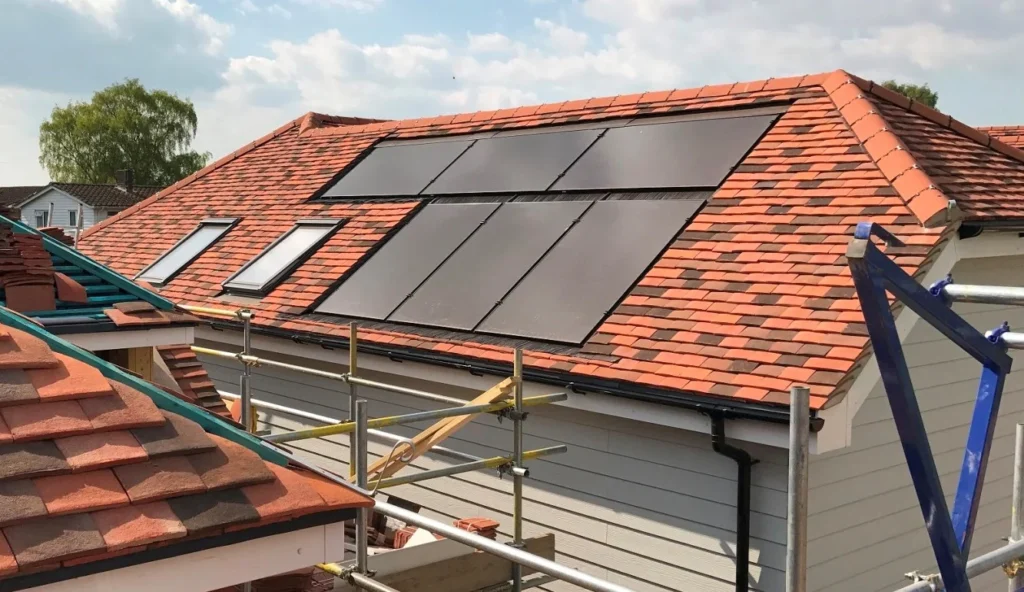
As the world continues to grapple with climate change, finding innovative ways to reduce energy consumption and carbon emissions is more crucial than ever. One solution that has gained significant attention in recent years is the integrated roof solar system. In this article, we’ll delve into the benefits, types, and installation options of these systems, exploring how they can transform your home into a net-positive energy producer.
What are Integrated Roof Solar Systems?
An integrated roof solar system is a photovoltaic (PV) setup that combines solar panels with the existing roofing structure. By harnessing the sun’s energy and converting it into electricity, these systems can significantly reduce energy bills and increase property value. Unlike traditional rooftop solar installations, which often require separate structures or poles to support the panels, integrated roof solar systems seamlessly blend into the building envelope.
History of Integrated Roof Solar Systems
The concept of integrating solar panels into roofs dates back to the 1970s and 1980s, when researchers began exploring ways to incorporate photovoltaic technology into building design. However, it wasn’t until the early 2000s that the first commercial integrated roof solar systems were developed.
Key Benefits of Integrated Roof Solar Systems
So why should you consider integrating solar panels into your roof? Here are just a few compelling reasons:
- Increased Property Value: A well-designed and installed integrated roof solar system can boost your property’s value by up to 17%.
- Energy Savings: With an average annual energy savings of $400-$600, integrated roof solar systems can help reduce your energy bills.
- Low Maintenance: Integrated roof solar systems are designed to be low-maintenance, with minimal upkeep required over the system’s lifespan.
Types of Integrated Roof Solar Systems
There are two primary types of integrated roof solar systems: fully integrated and partially integrated. The main difference between the two lies in how they’re installed:
- Fully Integrated: This type of system is designed from the outset to incorporate solar panels into the roofing structure. It’s ideal for new construction projects or significant renovations.
- Partially Integrated: In this scenario, existing roofing structures are adapted to accommodate solar panels. This option is perfect for homeowners who want to upgrade their energy efficiency without breaking the bank.
Fully Integrated Systems
Fully integrated systems offer several advantages:
- Increased Energy Production: By integrating solar panels directly into the roof structure, fully integrated systems can maximize energy production.
- Simplified Installation: With a single system design, installation is streamlined and reduced in complexity.
- Reduced Visual Impact: The solar panels blend seamlessly into the building envelope, reducing visual impact on your property.
Partially Integrated Systems
Partially integrated systems are ideal for homeowners who want to upgrade their energy efficiency without making significant changes to their roof:
- Flexibility: Partially integrated systems offer flexibility in terms of installation options and design choices.
- Cost-Effective: By adapting existing roofing structures, partially integrated systems can be more cost-effective than fully integrated systems.
- Easier Maintenance: With solar panels installed on a portion of the roof, maintenance becomes easier and less invasive.
Installation Options
When it comes to installing an integrated roof solar system, there are several options to consider:
- Tetrahedral Roof Systems: These systems use a unique four-sided design that allows for maximum energy production while minimizing structural damage.
- Curved Roof Systems: Curved roof designs can be tailored to fit individual building shapes and sizes, providing optimal energy efficiency.
Design Considerations
When designing an integrated roof solar system, several factors must be considered:
- Roof Orientation: The orientation of the roof plays a significant role in determining energy production. A south-facing roof is ideal for maximum energy generation.
- Shading: Shading can significantly impact energy production. Careful planning and design can help minimize shading effects.
- Structural Integrity: Ensure that your roof structure can support the weight of the solar panels and withstand wind loads.
The Future of Integrated Roof Solar Systems
As technology continues to advance, we’re seeing innovative solutions emerge. For instance:
- Flexible Panels: These flexible panels can be installed on existing roofs without requiring significant structural modifications.
- Building-Integrated Photovoltaics (BIPV): BIPV systems integrate solar panels directly into the building envelope, providing a seamless and efficient energy solution.
Innovative Materials and Technologies
Advancements in materials and technologies are revolutionizing the integrated roof solar system industry:
- Thin-Film Solar Cells: Thin-film solar cells offer improved efficiency and reduced material costs.
- Concentrated Photovoltaic (CPV) Systems: CPV systems use lenses or mirrors to concentrate sunlight onto photovoltaic cells, increasing energy production.
Conclusion
Integrating solar panels into your roof can have a profound impact on your home’s energy efficiency and overall value. With its numerous benefits, versatility, and innovative installation options, integrated roof solar systems are poised to revolutionize the way we think about renewable energy.


