
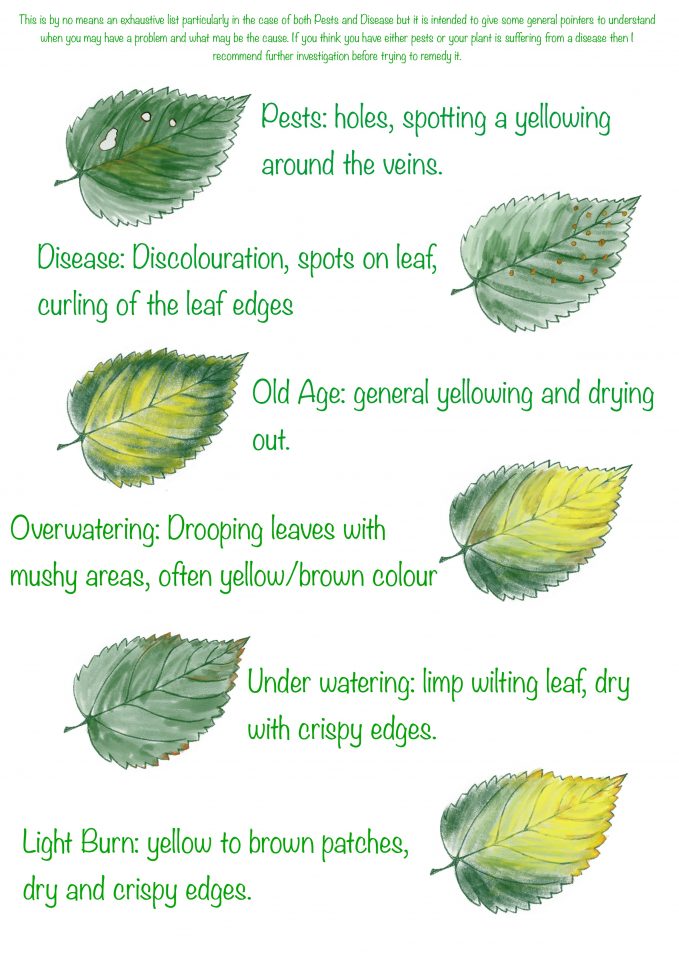
As a gardener, it’s not uncommon to notice yellow leaves on your plants. While they can be an alarming sight, yellow leaves are often a sign of a problem that can be easily addressed. In this article, we’ll explore the most common causes of yellow leaves and provide you with the knowledge to rescue your plant.
The Importance of Yellow Leaves
Yellow leaves serve as a warning signal for gardeners, indicating a problem that needs attention. However, it’s essential to identify the root cause of the issue to take corrective action. By understanding the underlying reasons for yellow leaves, you can prevent further damage and help your plant recover.
Common Causes of Yellow Leaves: Ferrous Deficiency
The most common cause of yellow leaves is a lack of iron in the soil. Iron is an essential nutrient that plays a critical role in photosynthesis and respiration. Without sufficient iron, plants may experience chlorosis ferrica, a condition characterized by yellowing leaves due to a deficiency of chlorophyll.
What Happens When Leaves Turn Yellow Due to Ferrous Deficiency?
When leaves turn yellow due to ferrous deficiency, they tend to remain green on the veins and become discolored towards the tips. This is because iron is crucial for the production of chlorophyll, which gives plants their green color. If left untreated, the plant will weaken, leading to a decline in its overall health.
The Solution: Treating Ferrous Deficiency
To address ferrous deficiency, it’s essential to provide your plant with enough iron. One effective way to do this is by using composts containing chelated iron. These products are easy to find at gardening stores, online marketplaces, or through local agricultural cooperatives.
Why Chelated Iron is Effective
Chelated iron is more easily absorbed by plants than other forms of iron. This is because it’s bound to organic compounds that help increase its bioavailability in acidic soils. By using chelated iron, you can ensure your plant receives the necessary nutrients to thrive.
Additional Tips for Treating Ferrous Deficiency
To treat ferrous deficiency effectively:
- Add a dose of chelated iron during vangatura (autumn) to help stimulate root growth and development.
- Follow up with a fertilizer specifically designed for leafy greens in springtime.
- Keep an eye on your plant’s response, making adjustments as needed.
Foglie Gialle: Causa del Freddo
While iron deficiency is the most common cause of yellow leaves, there are other factors that can contribute to this issue. Extreme temperatures, drafts, or exposure to cold winds can also cause yellowing leaves. If you suspect that your plant is experiencing stress due to temperature fluctuations, consider relocating it to a more sheltered area.
Other Possible Causes of Yellow Leaves
In addition to ferrous deficiency and environmental factors, there are other potential causes of yellow leaves:
- Magnesium deficiency: This can lead to discoloration on the lower half of the leaf.
- Nutrient imbalances: An overabundance or underabundance of certain nutrients can cause yellowing leaves.
Magnesium Deficiency
Magnesium is another essential nutrient that plays a critical role in plant growth. A deficiency in magnesium can cause yellowing leaves, particularly on the lower half of the leaf. This is because magnesium helps regulate photosynthesis and respiration.
Identifying Magnesium Deficiency
To identify magnesium deficiency, look for the following signs:
- Yellowing or browning leaves
- Leaf tips turning brown or crispy
- Reduced plant growth
Treating Magnesium Deficiency
To address magnesium deficiency, provide your plant with a balanced fertilizer that contains magnesium. You can also consider using organic amendments like compost tea or fish emulsion.
Other Nutrient-Related Issues
In addition to ferrous and magnesium deficiencies, other nutrient-related issues can cause yellow leaves:
- Nitrogen excess: An overabundance of nitrogen can lead to excessive leaf growth, causing leaves to turn yellow.
- Phosphorus deficiency: A lack of phosphorus can prevent root development, leading to yellowing leaves.
Preventing Yellow Leaves
To minimize the risk of yellow leaves:
- Ensure your soil contains adequate nutrients, including iron and magnesium.
- Provide protection against environmental stressors like extreme temperatures and drafts.
- Monitor your plant’s response to fertilizers and adjust as needed.
By understanding the causes of yellow leaves and taking prompt action, you can rescue your plant and promote healthy growth.


