
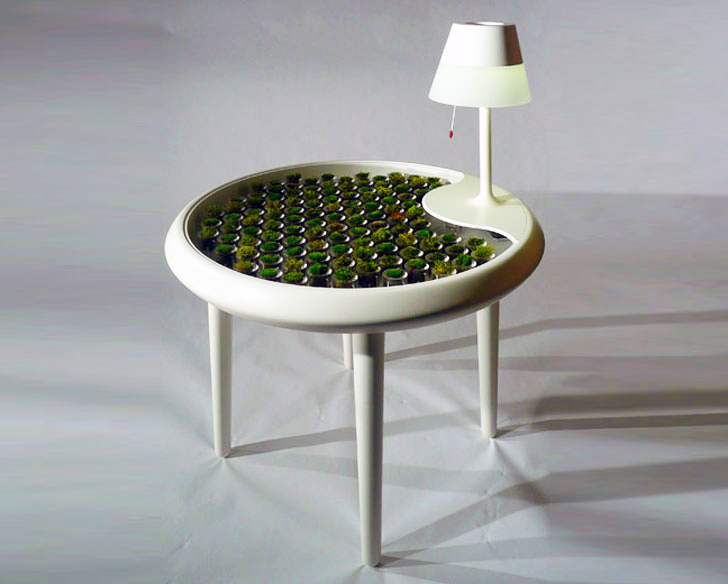
As we strive to reduce our carbon footprint and live more sustainably, the concept of solar furniture has gained significant attention in recent years. Solar furniture, also known as photovoltaic furniture, is a type of decorative piece that combines style with functionality, harnessing the power of the sun to generate electricity. In this article, we will delve into the world of solar furniture, exploring its benefits, types, and notable examples.
What is Solar Furniture?
Solar furniture is a unique blend of art and technology, where tables, chairs, and other decorative pieces are designed to convert sunlight into electrical energy. This innovative approach not only adds a touch of sustainability to our homes and gardens but also provides a functional means of generating power. The use of solar panels in furniture has been around for several decades, but recent advancements have made it more accessible and affordable.
History of Solar Furniture
The concept of solar furniture dates back to the 1960s, when scientists first discovered the potential of photovoltaic cells to convert sunlight into electricity. Since then, researchers and manufacturers have continued to develop and improve solar furniture designs, making them more efficient, durable, and stylish. Today, solar furniture is used in various settings, from residential homes to commercial spaces like offices, restaurants, and cafes.
How Does Solar Furniture Work?
Solar furniture works on the principle of photovoltaic conversion, where sunlight is converted into electrical energy through semiconducting materials. This process is similar to how traditional solar panels generate electricity, but in a compact and discreet form factor. The energy generated by the solar panel is then stored in a battery or used directly to power small appliances and devices.
Types of Solar Furniture
Solar furniture comes in various forms and styles, from sleek and modern tables to rustic and vintage-inspired chairs. Some popular types of solar furniture include:
- Tavolino Fotovoltaico: A type of solar table that combines a decorative surface with photovoltaic cells.
- Sun Table: A solar-powered table designed for outdoor use, perfect for patios, decks, or gardens.
- Solar Chairs: Solar-powered chairs that provide both comfort and functionality.
Notable Examples of Solar Furniture
Several companies have made significant contributions to the development of solar furniture. Here are a few notable examples:
- Melis Design: An Italian company that offers a range of solar furniture, including tables, chairs, and benches.
- Sun Table: A US-based company that specializes in designing and manufacturing solar-powered tables for outdoor use.
Benefits of Solar Furniture
Solar furniture offers several benefits, including:
- Sustainability: By harnessing the power of sunlight, solar furniture reduces our reliance on fossil fuels and promotes renewable energy.
- Energy Efficiency: Solar furniture can reduce energy consumption by up to 50% compared to traditional lighting sources.
- Aesthetics: Solar furniture adds a unique touch of style and design to our homes and gardens.
Applications of Solar Furniture
Solar furniture has various applications across different sectors, including:
- Residential Use: Solar furniture is perfect for homes with large windows or solar panels, where it can generate electricity and reduce energy bills.
- Commercial Spaces: Solar furniture is an excellent option for commercial spaces like offices, restaurants, and cafes, where it can provide power while reducing costs.
- Outdoor Spaces: Solar furniture is ideal for outdoor spaces like patios, decks, or gardens, where it can generate electricity and create a unique ambiance.
Challenges and Limitations of Solar Furniture
While solar furniture offers numerous benefits, there are also some challenges and limitations to consider:
- High Upfront Costs: Solar furniture can be expensive, especially high-quality designs with advanced features.
- Efficiency Issues: Solar panels may not convert sunlight into electricity as efficiently as expected, reducing their effectiveness.
- Durability Concerns: Solar furniture may require more maintenance and repairs compared to traditional furniture due to exposure to the elements.
Conclusion
Solar furniture is an innovative and eco-friendly alternative to traditional decor. With its ability to harness the power of sunlight, solar furniture reduces our carbon footprint and promotes renewable energy. As technology continues to advance, we can expect to see even more sophisticated and stylish examples of solar furniture in the future.
Frequently Asked Questions
Q: How does solar furniture work?
A: Solar furniture works on the principle of photovoltaic conversion, where sunlight is converted into electrical energy through semiconducting materials.
Q: What are the benefits of using solar furniture?
A: Solar furniture offers several benefits, including sustainability, energy efficiency, and aesthetics.
Q: Can I use solar furniture indoors?
A: Yes, solar furniture can be used indoors, but it may require additional features such as lighting or charging capabilities.
Q: How much does solar furniture cost?
A: The cost of solar furniture varies widely depending on the type, size, and materials used. On average, solar furniture can range from a few hundred to several thousand dollars.
Q: Can I install my own solar panel system in my solar furniture?
A: Yes, some solar furniture designs allow for DIY installation, while others may require professional installation.
Q: Is solar furniture suitable for all climates and regions?
A: Solar furniture is generally suitable for regions with high levels of sunlight, but it may not be effective in areas with low sunlight or extreme weather conditions.


