
Introduction
The lilla plant, also known as Syringa vulgaris in Latin, is a stunning ornamental that has been captivating gardeners for centuries. With its unique properties, beautiful flowers, and ease of cultivation, it’s no wonder why this plant has become a favorite among garden enthusiasts.
For those who are new to gardening or looking to expand their knowledge of ornamentals, the lilla plant is an excellent choice. Its adaptability, fragrance, and ability to thrive in various conditions make it an ideal addition to any garden.
Physical Characteristics
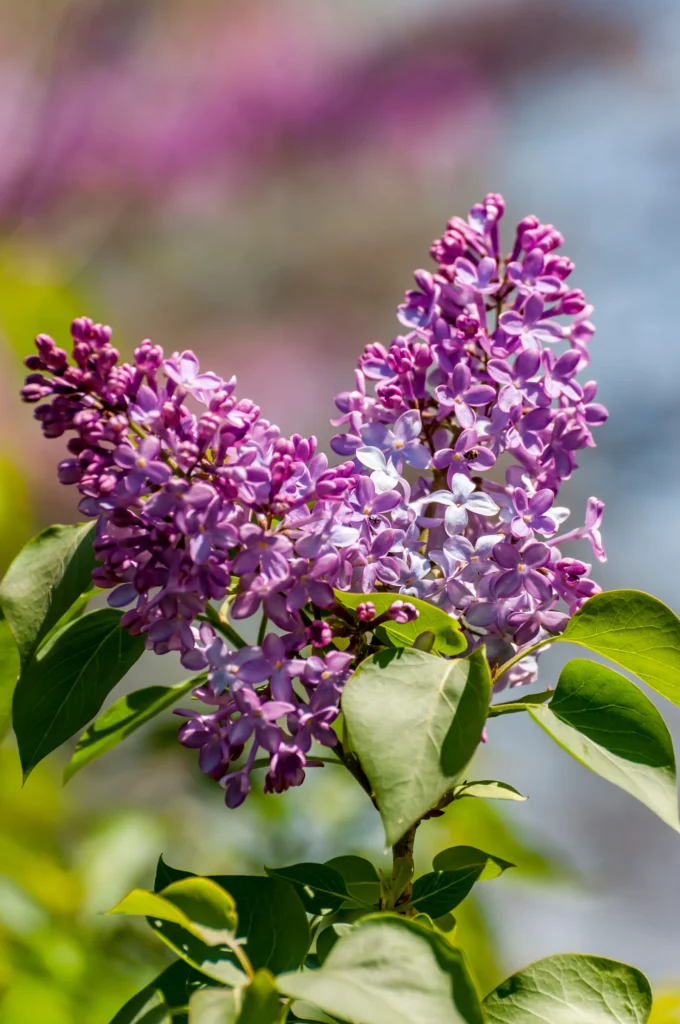
The lilla plant is an evergreen shrub with oval-shaped leaves, typically green in color and measuring 10-15 cm long. Its stems are vigorous and can grow up to 2 meters tall. In the spring, it produces long pannicles of small white or purple flowers that bloom for several weeks.
These delicate flowers, often described as a mix between lavender and lilac, are a striking feature of the lilla plant. Their unique shape and fragrance add to their beauty, making them an excellent choice for gardens seeking a pop of color in early spring.
History and Cultivation
The lilla plant originated from Asia but has been cultivated in Europe for over a thousand years. It was highly prized by the ancient Greeks and Romans for its beauty and fragrance. Today, it remains a popular choice among gardeners due to its ease of growth and versatility.
Throughout history, the lilla plant has been used not only as an ornamental but also for medicinal purposes. Its flowers have anti-inflammatory properties, making them effective in treating arthritis, bronchitis, and other respiratory issues. The plant’s essential oils can be extracted from its flowers and stems, which are then used to create natural remedies.
Properties and Uses
The lilla plant has been used for centuries not only as an ornamental but also for medicinal purposes. Its flowers have anti-inflammatory properties, making them effective in treating arthritis, bronchitis, and other respiratory issues. The plant’s essential oils can be extracted from its flowers and stems, which are then used to create natural remedies.
Some of the key properties and uses of the lilla plant include:
- Anti-inflammatory effects: Lilla plant extracts have been shown to reduce inflammation in various parts of the body.
- Antiseptic properties: The plant’s essential oils can be used as an antiseptic to treat minor cuts and scrapes.
- Antispasmodic effects: Lilla plant extracts have been used to relieve muscle spasms and cramps.
Curing and Cultivation
When cultivating the lilla plant, it is essential to provide it with well-draining soil and partial shade. It prefers moist but not waterlogged conditions. Regular watering and fertilization will promote healthy growth. Pruning after blooming can encourage new shoots to grow, resulting in a denser and more compact shrub.
Some additional tips for cultivating the lilla plant include:
- Watering: Allow the soil to dry slightly between waterings.
- Fertilization: Use a balanced fertilizer during the growing season.
- Pruning: Prune the plant after blooming to encourage new growth.
By following these guidelines and tips, you’ll be well on your way to growing a healthy and thriving lilla plant.
Images
Before deciding to purchase a lilla plant, take some time to admire its beauty with pictures. This will give you an idea of the plant’s size, shape, and color, helping you choose the perfect specimen for your garden.
Where to Buy Lilla Plants
Lilla plants are available at a reasonable price online, with prices starting from €4.50 for a 7×7 cm pot with a minimum height of 10 cm. When purchasing in pots, ensure that they have adequate space for growth and regular watering. Removing pollens will help prevent overcrowding.
Sowing Lilla Seeds
For those who prefer to sow seeds directly into the ground, lilla seeds are available at a lower price point (€3 per 30 seeds). Sowing seeds requires patience but can be rewarding for gardeners willing to wait and nurture their plants.
Some additional tips for sowing lilla seeds include:
- Planting depth: Plant seeds about 1-2 cm deep.
- Soil temperature: Ensure the soil is warm enough (above 15°C) before planting.
- Sowing spacing: Space seeds about 5-10 cm apart.
FAQs
Here are some frequently asked questions about lilla plants:
-
Q: What are the benefits of cultivating Lilla plants?
- A: Lilla plants offer several benefits, including beauty, fragrance, ease of growth, and medicinal properties.
-
Q: How do I care for a Lilla plant in vaso?
-
A: To care for a Lilla plant in a pot, ensure that the soil is moist but not waterlogged. Provide partial shade and fertilize regularly.
-
Q: Can I use Lilla plants for medicinal purposes?
-
A: Yes, Lilla plants have been used for centuries to treat various health issues, including arthritis, bronchitis, and respiratory problems.
-
Q: How do I prune a Lilla plant?
-
A: Prune your Lilla plant after blooming to encourage new shoots to grow. Remove any dead or damaged branches.
-
Q: Where can I purchase Lilla plants and seeds?
-
A: Lilla plants are available online at various retailers, with prices starting from €4.50 for a 7×7 cm pot. Seeds can be purchased separately at a lower price point.
-
Q: How often should I water my Lilla plant?
-
A: Water your Lilla plant regularly, but avoid overwatering. Allow the soil to dry slightly between waterings.
-
Q: Can I use Lilla plants in hanging baskets?
-
A: Yes, Lilla plants can thrive in hanging baskets with proper care and support.
-
Q: How long does it take for a Lilla plant to bloom?
-
A: The blooming period of a Lilla plant typically lasts 2-3 weeks, depending on weather conditions.
By answering these frequently asked questions and following the guidelines provided, you’ll be well-equipped to grow and care for your lilla plant. Whether you’re a seasoned gardener or just starting out, the lilla plant is an excellent choice for adding beauty and functionality to your garden.
In conclusion, the lilla plant is a vibrant and versatile ornamental that has been captivating gardeners for centuries. With its unique properties, beautiful flowers, and ease of cultivation, it’s no wonder why this plant has become a favorite among garden enthusiasts. By following the guidelines provided in this article, you’ll be well on your way to growing a healthy and thriving lilla plant.


