
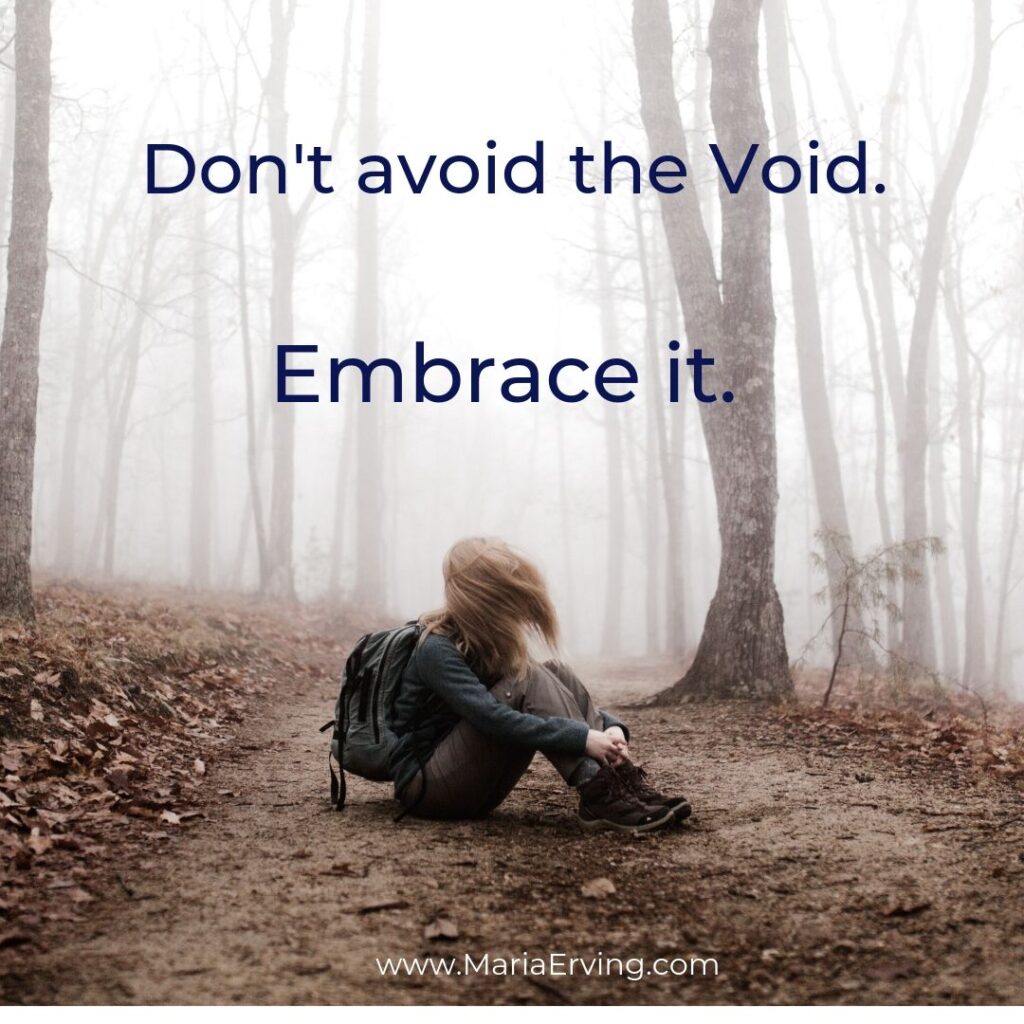
Overcoming the Fear of Empty Space: Understanding and Overcoming Void Anxiety
Fear of empty space, or kenophobia, is a legitimate yet often debilitating phobia that can affect individuals in various aspects of their lives. It’s not just about physical spaces; it also encompasses existential voids, lack of direction, purpose, employment, or genuine friendships. This anxiety can paralyze, lead to feelings of sadness, create significant difficulties, and even render everyday life impossible if left unchecked.
What is Fear of Empty Space?
Fear of empty space is a type of phobia that involves an unreasonable fear of both physical and metaphorical voids. When it comes to the latter, individuals may experience existential anxiety due to feelings of emptiness, lack of direction, or purpose. This anxiety can manifest physically, causing symptoms like vertigo, difficulty with self-control, and equilibrium issues.
The Connection Between Fear of Empty Space and Acrophobia
Acrofobia, or fear of flying, is often linked to the fear of empty space. However, it’s essential to differentiate between these two fears. While acrophobia can cause panic and physical symptoms when confronted with high altitudes or precipices, kenophobia involves a broader existential crisis that affects daily life.
Understanding the Causes of Fear of Empty Space
Fear of empty space is not simply a matter of personal preference; it stems from deeper psychological causes that are not always straightforward to identify. While medication can be effective in managing symptoms of anxiety disorders, including those related to kenophobia, addressing the root causes is essential for long-term success.
One possible cause of fear of empty space is social learning theory. Individuals may learn to associate emptiness with danger or vulnerability through experiences or observations. For example, a child who witnesses their parent’s panic attack in an elevator might develop a phobia of enclosed spaces due to learned behavior.
Another potential cause is attachment issues. People who have difficulty forming healthy attachments to others or themselves may experience existential anxiety when faced with the voids of life. This can be particularly true for individuals with an insecure attachment style, such as anxious-preoccupied or avoidant.
The Role of Psychology and Therapy
When it comes to overcoming fear of empty space, therapy plays a pivotal role. It involves introspection and exploration of one’s inner self, confronting deep-seated fears, and learning coping mechanisms to manage anxiety. Combining medication with psychotherapy can be highly effective in managing symptoms.
Cognitive-behavioral therapy (CBT) is often used to treat phobias like kenophobia. This form of therapy helps individuals identify and challenge negative thought patterns that contribute to their fear. Through exposure therapy, individuals learn to confront the situations or stimuli that trigger their anxiety, gradually building confidence and tolerance.
The Impact on Daily Life
Fear of empty space can significantly hinder daily functioning, affecting both professional and social life. Individuals may avoid certain situations due to fear or discomfort, leading to feelings of isolation and loneliness. Recognizing the impact and taking proactive steps towards overcoming this phobia is crucial for regaining control over one’s life.
For example, someone with a severe fear of empty space might avoid traveling alone or attending large gatherings, thereby limiting their social interactions and professional opportunities. By confronting and managing their anxiety, individuals can break free from these self-imposed restrictions and engage in activities that bring them joy and fulfillment.
Overcoming Fear of Empty Space: Inspirational Stories
Real-life stories of overcoming fears can be incredibly inspiring. For example, several athletes have shared their personal battles with fear of empty space or existential anxiety after achieving success in their respective sports. These stories demonstrate that overcoming such phobias is possible and encourages others to confront their own fears.
One notable example is professional basketball player, Steph Curry. In an interview, he discussed his struggles with anxiety and how it affected his performance on the court. Curry credited therapy and support from loved ones for helping him manage his symptoms and overcome his fear of empty space.
Consoling the Fear: Advice from Experts
Several books and resources offer advice on managing and overcoming fear of empty space, including physical spaces and existential voids. For instance, “Vuoto a vincere” (Winning Empty Space) by Giorgio Burreddu, Fabio Cola, and Alessandra Giardini shares inspiring stories from athletes who have faced similar challenges.
Another recommended resource is the book “The Anxiety and Worry Workbook” by David A. Clark and Aaron T. Beck. This workbook provides practical strategies for managing anxiety and overcoming phobias, including exposure therapy and cognitive restructuring.
Conclusion
Fear of empty space is a complex anxiety disorder that affects individuals in various aspects of their lives. Understanding the causes, seeking professional help, and learning coping mechanisms are key steps towards overcoming this phobia. With determination and support, it’s possible to regain control over one’s life and overcome existential voids.
By acknowledging the existence of fear of empty space as a legitimate anxiety disorder, we can begin to break down stigmas surrounding mental health issues. By sharing personal stories and advice from experts, we can create a supportive community that encourages individuals to confront their fears and seek help when needed.
Frequently Asked Questions
-
What is kenophobia?
Kenophobia is a legitimate anxiety disorder characterized by an unreasonable fear of both physical and metaphorical empty spaces or voids. -
Is acrophobia related to kenophobia?
Acrophobia, or fear of flying, can be linked to kenophobia but represents a distinct phobia that affects daily life differently. -
Can medication help manage kenophobia symptoms?
Medication can provide temporary relief for symptoms associated with kenophobia, but addressing the root causes is crucial for long-term success. -
What role does therapy play in overcoming fear of empty space?
Therapy involves introspection and exploration of one’s inner self, confronting deep-seated fears, and learning coping mechanisms to manage anxiety. -
How can individuals start managing their kenophobia symptoms?
-
Identify triggers: Recognize situations or stimuli that trigger your anxiety.
- Challenge negative thoughts: Learn to reframe negative thought patterns that contribute to your fear.
-
Practice exposure therapy: Gradually confront the situations or stimuli that trigger your anxiety.
-
Is it possible for athletes to overcome fear of empty space after achieving success?
Yes, several athletes have shared their personal battles with fear of empty space or existential anxiety after achieving success in their respective sports. These stories demonstrate that overcoming such phobias is possible and encourages others to confront their own fears.
- What advice does “Vuoto a vincere” offer in overcoming kenophobia?
The book shares inspiring stories from athletes who have faced similar challenges, providing practical strategies for managing anxiety and overcoming fear of empty space.
- Are there any specific books or resources recommended for managing kenophobia?
Recommended books include “The Anxiety and Worry Workbook” by David A. Clark and Aaron T. Beck, and “Vuoto a vincere” (Winning Empty Space) by Giorgio Burreddu, Fabio Cola, and Alessandra Giardini.


