
When it comes to choosing the right flooring for your home or business, there are many options available. However, not all flooring is created equal. In this article, we will explore the characteristics of authentic hardwood flooring and how it differs from other types of flooring.
What is Authentic Hardwood Flooring?
Authentic hardwood flooring is made from genuine wood and is designed to be environmentally friendly. It is composed of a sustainable material that can be recycled, making it an attractive option for those who care about the environment.
Characteristics of Authentic Hardwood Flooring
So, what makes authentic hardwood flooring so special? Here are some of its key characteristics:
- Personalization: Wood is a highly personalizable material. With a wide range of finishes available, you can customize your hardwood flooring to match your unique style and preferences.
- Durability: Authentic hardwood flooring is incredibly durable and resistant to wear and tear. It can withstand heavy foot traffic and last for many years with minimal maintenance.
- Thermal and Acoustic Insulation: Wood is a natural insulator, making it an excellent choice for reducing heat loss and noise pollution in your home or business.
- Restoration: Unlike other types of flooring, authentic hardwood flooring can be restored to its original beauty through refinishing and polishing.
- Aesthetic Appeal: Authentic hardwood flooring has a unique and timeless aesthetic appeal that cannot be replicated by synthetic materials.
- Sustainable: Wood is a sustainable material, making it an environmentally friendly option for those who care about the environment.
Faux Hardwood Flooring: A Comparison
While fake hardwood flooring may seem like a convenient alternative, it has some significant drawbacks. Here are a few key differences between faux hardwood flooring and authentic hardwood flooring:
- Appearance: Faux hardwood flooring lacks the natural beauty and authenticity of real wood.
- Durability: Faux hardwood flooring is not as durable as authentic hardwood flooring and can be prone to scratches and dents.
- Environmental Impact: While some types of faux hardwood flooring may be made from recycled materials, they often contain chemicals and other pollutants that can harm the environment.
Types of Authentic Hardwood Flooring
There are several types of authentic hardwood flooring available, each with its own unique characteristics and benefits. Here are a few examples:
- Engineered Wood Flooring: Engineered wood flooring is made by layering different types of wood to create a durable and stable surface.
- Solid Hardwood Flooring: Solid hardwood flooring is made from a single piece of wood that has been cut and shaped to fit your space.
- Refinished Hardwood Flooring: Refinished hardwood flooring is made by refinishing existing hardwood flooring to give it a new look.
The Benefits of Authentic Hardwood Flooring
So, why choose authentic hardwood flooring over other types of flooring? Here are just a few benefits:
- Timeless Beauty: Wood is a timeless material that never goes out of style.
- Increased Property Value: Authentic hardwood flooring can increase the value of your property and make it more attractive to potential buyers.
- Long-Lasting Durability: With proper maintenance, authentic hardwood flooring can last for many years.
Parquet Flooring: A Comparison
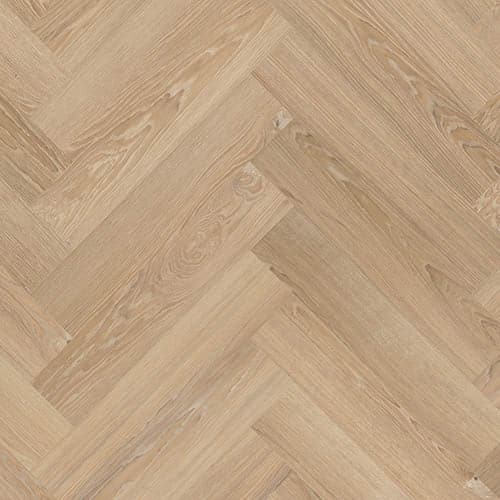
Parquet flooring is a type of engineered wood flooring that consists of small pieces of wood arranged in a specific pattern. While parquet flooring has its own unique benefits and drawbacks, here are some key differences between parquet flooring and authentic hardwood flooring:
- Appearance: Parquet flooring lacks the natural beauty and authenticity of real wood.
- Durability: Parquet flooring is not as durable as authentic hardwood flooring and can be prone to scratches and dents.
- Cost: Parquet flooring is often less expensive than authentic hardwood flooring.
Prefinished vs. Solid Hardwood Flooring
When it comes to choosing between prefinished and solid hardwood flooring, there are a few key differences to consider:
- Installation Time: Prefinished hardwood flooring can be installed much faster than solid hardwood flooring.
- Appearance: Prefinished hardwood flooring has a more uniform appearance than solid hardwood flooring.
- Cost: Solid hardwood flooring is often less expensive than prefinished hardwood flooring.
Choosing the Right Hardwood Flooring for Your Space
With so many options available, choosing the right hardwood flooring for your space can be overwhelming. Here are a few key factors to consider:
- Personal Style: Choose a hardwood flooring that reflects your personal style and preferences.
- Budget: Consider your budget when choosing between different types of hardwood flooring.
- Functionality: Think about how you will use your space and choose a hardwood flooring that meets your needs.
Frequently Asked Questions
Here are some frequently asked questions about authentic hardwood flooring:
Q: What is the difference between genuine wood and faux wood?
A: Genuine wood is made from natural materials, while faux wood is made from synthetic materials.
Q: How do I maintain my hardwood flooring?
A: Regular cleaning and maintenance can help extend the life of your hardwood flooring.
Q: Can I refinish my existing hardwood flooring?
A: Yes, you can refinish your existing hardwood flooring to give it a new look.
Q: Is authentic hardwood flooring more expensive than other types of flooring?
A: While authentic hardwood flooring may be more expensive upfront, it can last for many years with minimal maintenance.
Q: What are the benefits of choosing a prefinished hardwood flooring over solid hardwood flooring?
A: Prefinished hardwood flooring is faster to install and has a more uniform appearance.
Q: Can I use my hardwood flooring on high-traffic areas?
A: Yes, but regular maintenance may be necessary to extend the life of your flooring.


