
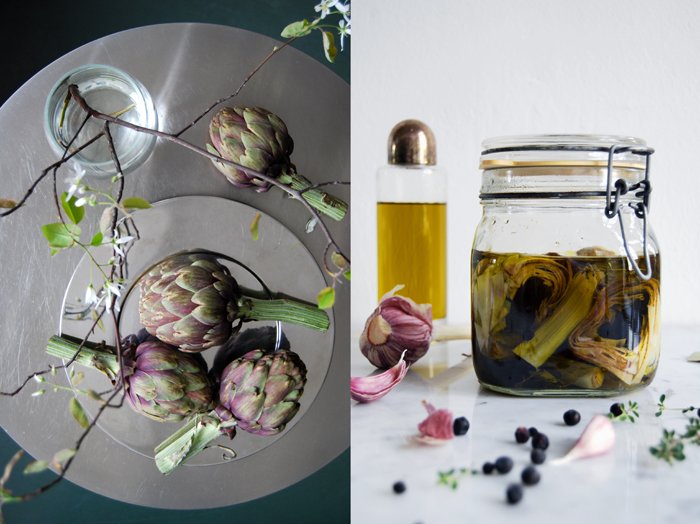
As the seasons change and fresh produce becomes scarce, it’s essential to learn how to preserve leafy greens like cabbage and kale. Not only will you have a steady supply of these nutritious veggies all year round, but you’ll also be able to enjoy them in a variety of dishes without worrying about their flavor or texture deteriorating.
In this article, we’ll explore two popular methods for conserving leafy greens: conserving at home with natural techniques and using oil as a preservative. We’ll dive into the steps involved, provide tips and tricks for success, and answer some frequently asked questions to help you get started on your leafy green preservation journey.
Conserving Leafy Greens at Home
Before we dive into the methods themselves, let’s talk about why conserving leafy greens is a great idea. Not only will you be reducing food waste, but you’ll also be able to enjoy these nutritious veggies in soups, stews, salads, and more throughout the year.
Now, let’s get started with our first method: conserving leafy greens at home without any added preservatives.
Step 1: Preparation
To begin, you’ll need to prepare your leafy greens. This involves rinsing them under cold running water to remove any dirt or debris. Next, trim off the tough outer leaves and discard them. You can also blanch the greens in boiling water for 2-3 minutes to help preserve their color and texture.
Step 2: Creating a Brine
Once your leafy greens are prepared, it’s time to create a brine solution. A brine is simply a mixture of water and acid (such as lemon juice or vinegar) that helps to draw out excess moisture from the leaves. To make a brine, mix 1 tablespoon of lemon juice or white vinegar with 1 quart of water.
Step 3: Packing and Sealing
Next, you’ll need to pack your leafy greens into clean, sterilized jars or containers. Leave about 1 inch of space between each layer to allow for expansion during storage. You can also add aromatics like garlic or onions to the brine for extra flavor.
Step 4: Sealing and Storage
Once your jar is packed, it’s time to seal it tightly with a lid or plastic wrap. Store the jar in the refrigerator, where the leafy greens will keep for several weeks.
Benefits of Conservating at Home
There are many benefits to conserving leafy greens at home without added preservatives. Here are just a few:
- Cost-effective: Conserving your own leafy greens can save you money on grocery bills.
- Freshness: By preserving your own leafy greens, you’ll be able to enjoy them in their freshest state possible.
- Customization: When you conserve your own leafy greens, you have complete control over the flavor and texture of the final product.
Conserving Leafy Greens with Oil
While conserving at home without added preservatives is a great option, there are times when you may want to use oil as a preservative instead. This method involves soaking your leafy greens in a mixture of oil and spices, which helps to preserve them by preventing the growth of bacteria and other microorganisms.
Step 1: Preparation
To begin, you’ll need to prepare your leafy greens by rinsing them under cold running water and trimming off any tough outer leaves. Next, blanch the greens in boiling water for 2-3 minutes to help preserve their color and texture.
Step 2: Creating a Spice Blend
While your leafy greens are cooling, it’s time to create a spice blend that will add flavor to your preserved greens. Mix together your choice of spices, herbs, and aromatics (such as garlic, onions, or bay leaves) with the oil you’ve chosen for preserving.
Step 3: Soaking
Once your spice blend is ready, it’s time to soak your leafy greens in the oil mixture. Pack the greens into clean, sterilized jars or containers, leaving about 1 inch of space between each layer. Pour the oil mixture over the top of the greens, making sure they’re completely covered.
Step 4: Sealing and Storage
Once your jar is packed, it’s time to seal it tightly with a lid or plastic wrap. Store the jar in a cool, dark place, where the leafy greens will keep for several months.
Benefits of Using Oil as a Preservative
Using oil as a preservative has its own set of benefits. Here are just a few:
- Longer shelf life: By using oil as a preservative, you’ll be able to enjoy your preserved leafy greens for several months.
- Easy to store: Once you’ve packed the jar with the oil mixture, it’s easy to store it in a cool, dark place.
- Flavorful: The spice blend you create will add flavor to your preserved leafy greens, making them even more delicious.
Tips and Tricks
- Use clean equipment and utensils when preparing your leafy greens to prevent contamination.
- Always follow safe canning practices to avoid spoilage and foodborne illness.
- Experiment with different spice blends and oils to find the perfect combination for your preserved leafy greens.
- Store your preserved leafy greens in a cool, dark place to preserve their flavor and texture.
Frequently Asked Questions
Q: How long do I need to store my preserved leafy greens?
A: The length of storage will depend on the method you use. Conservating at home without added preservatives can keep your leafy greens for several weeks, while conserving with oil can keep them for several months.
Q: Can I eat my preserved leafy greens right away?
A: No, it’s best to wait a few days before eating your preserved leafy greens. This allows the flavors to meld together and the textures to soften.
Q: How do I know when my preserved leafy greens are spoiled?
A: Check for any signs of spoilage, such as mold or sliminess, before consuming your preserved leafy greens. If in doubt, it’s always best to err on the side of caution and discard the container.
By following these simple steps and tips, you’ll be able to enjoy delicious, nutritious leafy greens all year round. Whether you choose to conserve at home without added preservatives or use oil as a preservative, you’ll be able to enjoy these amazing veggies in soups, stews, salads, and more.


