
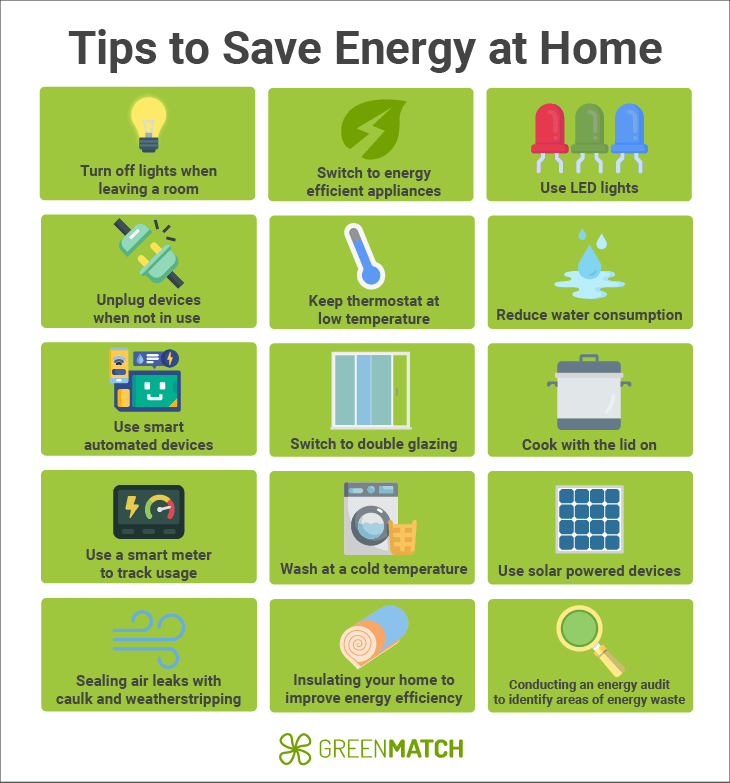
When it comes to saving energy at home, many of us think it requires significant sacrifices. However, with a few simple changes, you can not only reduce your electricity bill but also contribute to a more sustainable environment.
In this article, we’ll explore some easy-to-implement tips for efficient energy saving in your home. From water conservation to smart appliances, we’ll cover it all.
The Importance of Water Conservation
Water is an essential resource, and wasting it can have significant environmental consequences. Did you know that the average person uses around 100 liters of water per day? This might seem like a lot, but when combined with the energy needed to heat this water, the total cost can be substantial.
Here are some simple ways to conserve water:
- Turn off the tap while brushing your teeth or washing your hands. This may seem like a small gesture, but it can make a significant difference.
- Install low-flow showerheads and faucets to reduce water consumption.
- Collect rainwater in a barrel or tank to use for non-potable purposes like watering plants.
- Fix any leaks promptly, as even small amounts of water lost over time can add up.
- Consider installing a greywater system, which can reuse water from sinks, showers, and washing machines for irrigation.
Temperature Control: The Key to Energy Efficiency
Maintaining an ideal temperature in your home can have a significant impact on energy consumption. Here are some tips to help you stay cozy without breaking the bank:
- Keep your thermostat between 18-22°C (64-72°F) to reduce heating costs.
- Use a smart thermostat to adjust the temperature when you’re not home or sleeping.
- Consider installing zoned heating systems, which can be more efficient than central heating.
- Add insulation to your attic, walls, or floors to reduce heat loss.
- Use ceiling fans to circulate air and reduce the need for AC in warmer months.
Insulation and Windows: The Hidden Energy Suckers
Poor insulation and windows can lead to significant heat loss in the winter and heat gain in the summer. Here are some tips to improve your home’s energy efficiency:
- Seal any gaps or cracks around windows and doors with weatherstripping or caulk.
- Install double-glazed windows or consider replacing old windows with energy-efficient alternatives.
- Add insulation to your attic, walls, or floors to reduce heat loss.
- Use window treatments like curtains or blinds to block out cold air in winter and hot sun in summer.
- Consider installing a radiant barrier in your attic to reflect heat away from living spaces.
Smart Appliances: The Key to Energy Efficiency
Old appliances can be a significant drain on your energy bill. Here are some tips to upgrade to more efficient models:
- Replace incandescent light bulbs with LED bulbs, which use up to 90% less energy.
- Look for appliances with the ENERGY STAR label, which indicates they meet energy efficiency standards.
- Consider purchasing smart home devices that can help you optimize your energy usage.
- Upgrade to energy-efficient appliances like refrigerators, dishwashers, and washing machines.
- Unplug appliances when not in use to eliminate standby power consumption.
Tips for Efficient Energy Saving
Here are some additional tips to help you save energy at home:
- Avoid overloading your electrical outlets, as this can lead to overheating and reduced appliance lifespan.
- Use power strips to plug in electronics and turn them off with the flip of a switch.
- Consider installing solar panels or investing in renewable energy credits to offset your energy usage.
- Look for energy-efficient heating options like heat pumps or radiant floor heating.
- Plant trees or install awnings to shade windows and reduce cooling costs.
Conclusion
Efficient energy saving at home is easier than you think. By implementing these simple tips, you can reduce your electricity bill, contribute to a more sustainable environment, and enjoy a more comfortable living space.
Frequently Asked Questions
- How much can I save on my electricity bill by implementing these tips?
The amount of money you can save will depend on your energy usage and the specific changes you make. However, by implementing these tips, you can expect to save anywhere from 10-30% on your energy bills. - What are some other ways to reduce my energy consumption?
In addition to the tips outlined in this article, consider installing a programmable thermostat, using energy-efficient ceiling fans, and adjusting your thermostat when you’re not home or sleeping. You can also try carpooling, using public transportation, or biking or walking for shorter trips. - How can I make my home more energy efficient if I live in an old building?
Older buildings often require more maintenance and upgrades to become energy-efficient. Consider hiring a professional to assess your home’s energy efficiency and provide recommendations for improvement. Look into retrofitting insulation, replacing old windows, or installing new HVAC systems. - What are some popular energy-efficient appliances on the market?
Look for appliances with the ENERGY STAR label, which indicates they meet energy efficiency standards. Some popular energy-efficient appliances include LED light bulbs, Energy Star-rated refrigerators, and power-saving washing machines. - How can I get started with renewable energy?
Start by assessing your energy usage and identifying areas where you can make changes to reduce your consumption. Consider investing in solar panels or purchasing renewable energy credits to offset your energy usage. Research local incentives and programs for homeowners looking to transition to renewable energy sources.
Additional Resources
- The U.S. Department of Energy’s Energy Efficiency Guide provides comprehensive resources for homeowners, including tips on energy-efficient appliances, lighting, and insulation.
- The Environmental Protection Agency (EPA) offers a range of resources for reducing water consumption and waste, including guidebooks and online tools.
- The National Renewable Energy Laboratory (NREL) provides information on renewable energy sources, including solar panels, wind turbines, and geothermal systems.
By implementing these simple tips and exploring additional resources, you can take the first step towards creating a more sustainable future for yourself and your community. Remember, every small change counts, and collective action can lead to significant positive impact on our environment.


