
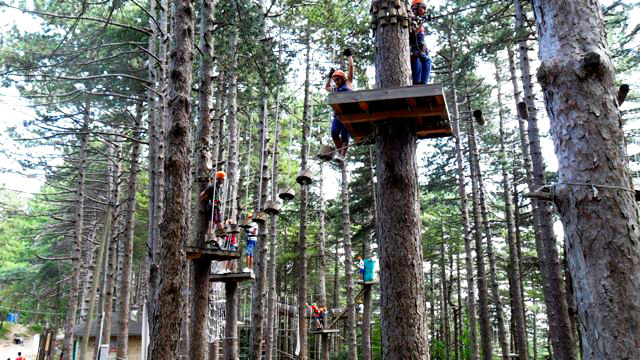
What is Tree Climbing?
Tree climbing, also known as Tarzaning, is a technique of ascending and descending trees using ropes and harnesses. This sport requires skill, strength, and strategy to navigate the branches of a tree like an aerial acrobat. With its roots in adventure sports, tree climbing has become a popular activity for thrill-seekers and nature lovers alike.
Tree climbing involves using specialized equipment such as ropes, harnesses, and carabiners to ascend and descend trees. Climbers use various techniques, including footwork, handholds, and body positioning, to navigate the branches of the tree. The sport requires a high level of physical fitness, coordination, and mental focus.
A Brief History of Tree Climbing
Tree climbing originated as a form of work, allowing gardeners to access high branches without using ladders or climbing equipment. This method was used for centuries in Europe, particularly in Italy, where trees were often pruned to maintain their shape and promote fruit production.
However, it wasn’t until the 1980s that tree climbing began to evolve into a recreational sport. The first national tree climbing competitions took place in the United States, followed by Europe and other parts of the world.
Today, tree climbing is recognized as an official sport by governing bodies worldwide. The sport has gained popularity among adventure seekers and nature lovers, who are drawn to its unique combination of physical challenge, mental focus, and connection with nature.
Where to Practice Tree Climbing in Italy
Italy is home to numerous parks and nature reserves that offer tree climbing activities. Here are some of the best places to try this adrenaline-pumping adventure:
- EcoCampus Casaboli: Located 15 km from Palermo, this eco-campus offers two tree climbing routes with teleferies, set amidst a stunning natural setting.
- Parco Avventura Esploraria: In Modena, this park features an Atlantide Avventura section with tree climbing as its main attraction. The 30-hectare pine forest is not only an environmental haven but also perfect for hiking and exploring.
- Parco Naturale di Cervia, Ravenna: For a more relaxed experience, visit the Parco Naturale di Cervia, where you can enjoy tree climbing amidst a beautiful pine forest.
Getting Started with Tree Climbing
If you’re new to tree climbing or want to improve your skills, consider taking a professional course from A.S.D. Tree Climbing Italia. These courses cover safety procedures, equipment usage, and techniques for navigating the trees.
Tree climbing courses typically include:
- Safety briefings and demonstrations
- Equipment fitting and instruction on how to use it properly
- Practice sessions in a controlled environment
- Guidance on tree identification, climbing techniques, and hazard awareness
Tips and Precautions
Before embarking on your tree climbing adventure:
- Research the park or forest you plan to visit to ensure it offers suitable tree climbing activities.
- Wear appropriate gear, including a helmet, harness, and gloves.
- Follow safety guidelines and instructions from instructors or guides.
- Be aware of your physical limitations and don’t push yourself beyond what’s safe.
Some additional tips for beginners:
- Start with short climbs and gradually increase the height as you gain experience and confidence.
- Practice climbing on lower-lying branches before moving to higher levels.
- Pay attention to your surroundings, including other climbers, obstacles, and potential hazards.
Common Tree Climbing Techniques
Here are some common tree climbing techniques used by experienced climbers:
- Footwork: Climbers use their feet to push off from the trunk or branch of the tree, using specialized shoes with built-in crampons for grip.
- Handholds: Climbers use hands and arms to support themselves on branches or limbs, often incorporating specific hand positions and grip techniques.
- Body positioning: Climbers adjust their body position to maintain balance and stability while climbing, often using specific techniques such as ‘leaning’ or ‘kicking back’.
Equipment Used in Tree Climbing
Tree climbers use specialized equipment designed specifically for the sport. Some common pieces of gear include:
- Harnesses: Climbers wear a harness attached to their waist, which provides support and protection while climbing.
- Ropes: Climbers use ropes made from durable materials such as nylon or polypropylene to ascend and descend trees.
- Carabiners: Climbers use carabiners to connect themselves to the tree trunk or branch via a rope.
- Helmet: Climbers wear a helmet to protect their head in case of falls or collisions.
Physical Demands of Tree Climbing
Tree climbing is an physically demanding sport that requires:
- Cardiovascular fitness: Climbers need to be able to sustain a high level of physical exertion over an extended period.
- Muscular strength and endurance: Climbers need strong muscles in their arms, legs, and back to support their body weight and generate force for movements.
- Flexibility and coordination: Climbers need good flexibility and coordination to navigate the branches and limbs of the tree.
Conclusion
Tree climbing in Italy offers an unforgettable experience for those willing to take the leap. With its rich history, stunning landscapes, and expert instruction, this sport has something for everyone. Whether you’re a seasoned adventurer or just looking for a new challenge, tree climbing is sure to leave you feeling exhilarated and inspired.
Frequently Asked Questions
- What is the minimum age requirement for tree climbing?
- The recommended age range for beginners is between 12 and 18 years old.
- Do I need prior experience with rock climbing or ropes to try tree climbing?
- No, prior experience is not necessary, but a willingness to learn and follow safety guidelines is essential.
- Can I hire a guide or instructor to accompany me on my tree climbing adventure?
- Yes, hiring an experienced guide or instructor can provide peace of mind and ensure your safety.
- What safety equipment should I bring with me during tree climbing?
- Wear a helmet, harness, gloves, and consider bringing additional gear such as ropes, carabiners, and a first aid kit.
- Are there any physical limitations or health concerns that can impact my ability to participate in tree climbing?
- Certain medical conditions or physical limitations may prohibit participation. Always consult with a doctor before starting a new adventure sport.
Additional Resources
For more information on tree climbing in Italy, visit the official website of A.S.D. Tree Climbing Italia or check out local park and forest websites for up-to-date information on facilities and activities.
Some recommended books for learning more about tree climbing include:
- “The Tree Climber’s Guide to Safety” by The American Mountain Guides Association
- “Tree Climbing: Techniques, Equipment, and Strategies” by The International Society of Arboriculture


