
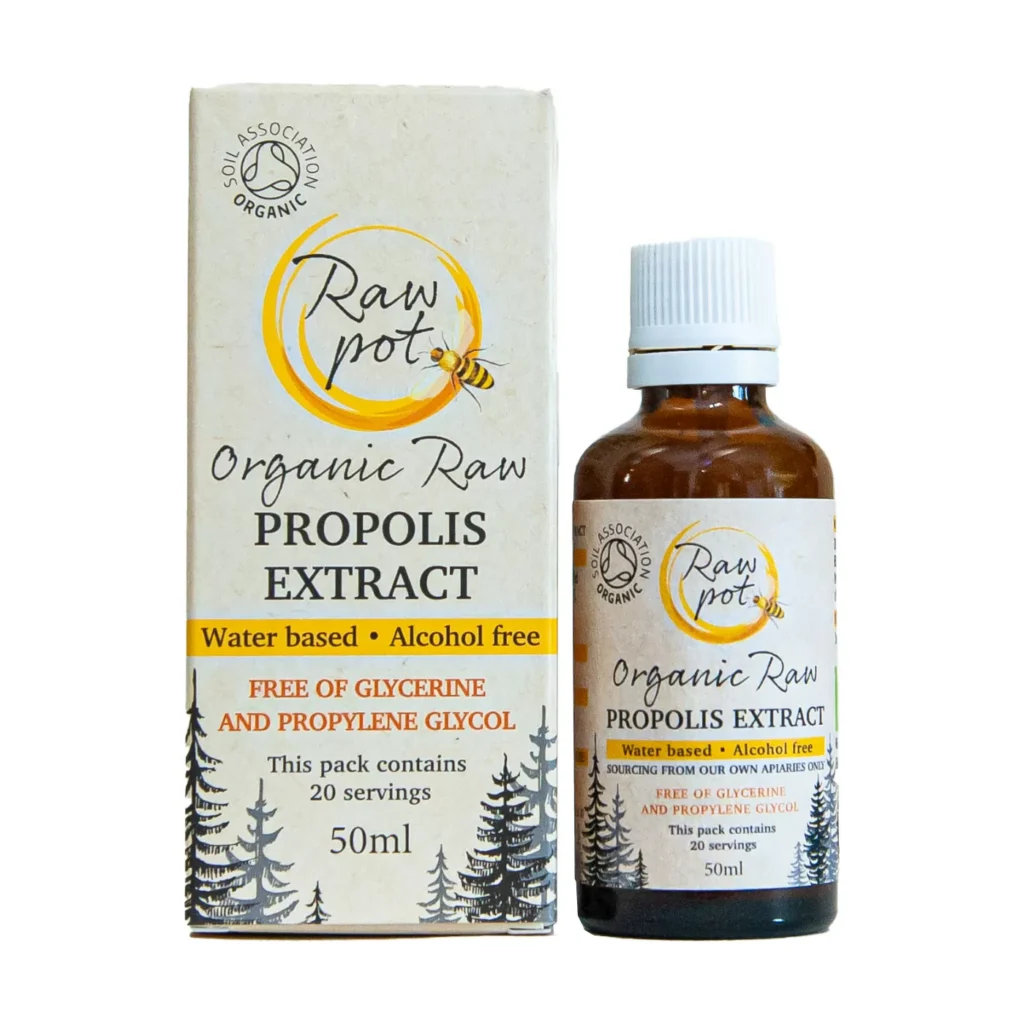
As we explore the vast world of natural remedies, one substance stands out for its incredible versatility and effectiveness: bee propolis. This waxy, resinous material has been used for centuries in traditional medicine and agriculture to promote health and well-being. In this article, we’ll delve into the fascinating world of propolis and its applications in agriculture.
What is Propolis?
Propolis is a mixture of plant resin, beeswax, and other substances collected by honeybees from trees and plants. It’s used to seal and protect their hives from environmental stressors and pests. While we often associate propolis with health benefits, its uses extend far beyond the realm of medicine.
The History of Propolis
Propolis has been used for centuries in various cultures for different purposes. In ancient Greece, it was believed to have healing properties, while in Egypt, it was used as a protective agent against pests and diseases. The use of propolis gained popularity during World War I, when soldiers used it to treat wounds and prevent infections.
The Agricultural Applications of Propolis
In agriculture, propolis is employed as a natural pesticide and fungicide. Its unique properties make it an effective tool for protecting crops from various diseases and pests. By applying propolis-based solutions to your fields, you can enjoy a more sustainable and eco-friendly approach to farming.
Properties of Propolis in Agriculture
Propolis has several remarkable properties that make it an ideal natural solution for agriculture:
• Antimicrobial and antifungal: Propolis exhibits potent antimicrobial and antifungal properties, which help combat diseases caused by microorganisms.
• Pest control: Propolis can be used to repel pests like aphids, whiteflies, and spider mites, reducing the need for chemical pesticides.
• Fungicide: Propolis has been shown to inhibit the growth of fungi that cause diseases in plants.
How to Prepare Propolis Solution for Agriculture
Preparing a propolis solution is relatively straightforward. The process involves three stages:
- Preparing the water-based solution: Combine propolis with water and lecithin (a natural emulsifier) to create a uniform mixture.
- Preparing the alcohols-based solution: Dilute propolis in alcohol (95°) and add lecithin for enhanced efficacy.
- Blending the solutions: Mix the two prepared solutions to create a potent antiparassitario naturale.
Using Propolis Solution in Agriculture
To utilize the propolis solution effectively:
- Dilute the solution: Mix 150 ml of propolis solution with every 100 liters of water.
- Add proteinato di zolfo: Enhance the solution’s effectiveness by adding 250 grams of proteinato di zolfo.
Where to Find Propolis and Its Ingredients
You can acquire the necessary ingredients for preparing the propolis solution at specialized stores or online retailers. Amazon is a popular choice for buying propolis-based products due to its wide selection and competitive pricing.
Some recommended products include:
• Zolfo Disperss
• Propoli oleato pronto all’uso
• Lecitina di Soia
Benefits of Using Propolis in Agriculture
Using propolis in agriculture offers several benefits, including:
- Environmental sustainability: Propolis is a natural solution that replaces chemical pesticides and fungicides, reducing the environmental impact of farming practices.
- Increased crop yields: By using propolis to control pests and diseases, you can increase your crop yields while minimizing losses due to disease or pest damage.
- Reduced labor costs: Propolis-based solutions can be applied automatically, reducing the need for manual labor and increasing efficiency.
Challenges of Using Propolis in Agriculture
While propolis is a promising natural solution for agriculture, there are several challenges associated with its use:
- Availability and cost: Propolis can be difficult to source and may require special ordering, making it more expensive than chemical pesticides.
- Preparation and application requirements: Preparing and applying the propolis solution requires specific techniques and equipment, which can add complexity to farming practices.
Best Practices for Using Propolis in Agriculture
To get the most out of propolis in agriculture, follow these best practices:
- Conduct thorough research: Before using propolis, conduct research on its properties, benefits, and potential challenges.
- Choose the right type of propolis: Select a high-quality propolis that is specifically formulated for agricultural use.
- Follow proper preparation and application guidelines: Ensure you follow the recommended preparation and application guidelines to maximize the effectiveness of the propolis solution.
Future Directions for Propolis Research
While propolis has shown promise in agriculture, there are several areas where further research is needed:
- Optimizing propolis formulations: Researchers should focus on developing more effective formulations that can be applied automatically or with minimal labor.
- Understanding propolis interactions with crops: Further studies are needed to understand how propolis interacts with different crop varieties and how it affects their growth and development.
- Evaluating the environmental impact of propolis use: Researchers should investigate the potential environmental impacts of using propolis in agriculture, including its effects on soil quality, water usage, and biodiversity.
Conclusion
Propolis is a versatile, natural solution for agriculture that offers numerous benefits for farmers. Its antimicrobial, antifungal, and pest control properties make it an effective tool for promoting healthy crops. By understanding the preparation and application of propolis solutions, you can harness its potential to create a more sustainable and eco-friendly farming practice.
Frequently Asked Questions
Q: What are the different types of propolis?
A: Propolis can be categorized into several types based on their composition and properties. Some common types include white propolis, yellow propolis, and red propolis.
Q: How does propolis affect plant growth?
A: Propolis has been shown to promote healthy plant growth by preventing diseases and pests, thereby reducing the need for chemical pesticides and fertilizers.
Q: Can propolis be used as a natural fungicide?
A: Yes, propolis has been proven to exhibit antifungal properties, making it an effective natural solution for controlling fungal diseases in plants.
Q: What is the recommended dosage of propolis for agriculture?
A: The recommended dosage of propolis varies depending on the specific application and crop type. Generally, a 150 ml solution should be mixed with every 100 liters of water for optimal effectiveness.
Q: Where can I buy propolis-based products online?
A: Amazon is a popular online retailer that offers a wide selection of propolis-based products, including proteinato di zolfo, lecithin, and propoli oleato pronto all’uso.
Q: Can propolis be used on a large scale in agriculture?
A: Yes, propolis can be used on a large scale in agriculture due to its effectiveness and sustainability. However, it’s essential to follow proper preparation and application guidelines to ensure optimal results.
Q: Are there any potential side effects of using propolis in agriculture?
A: While propolis is generally considered safe for use in agriculture, excessive use or improper handling can cause skin irritation or allergic reactions. It’s essential to follow safety guidelines and take necessary precautions when working with propolis-based solutions.


