
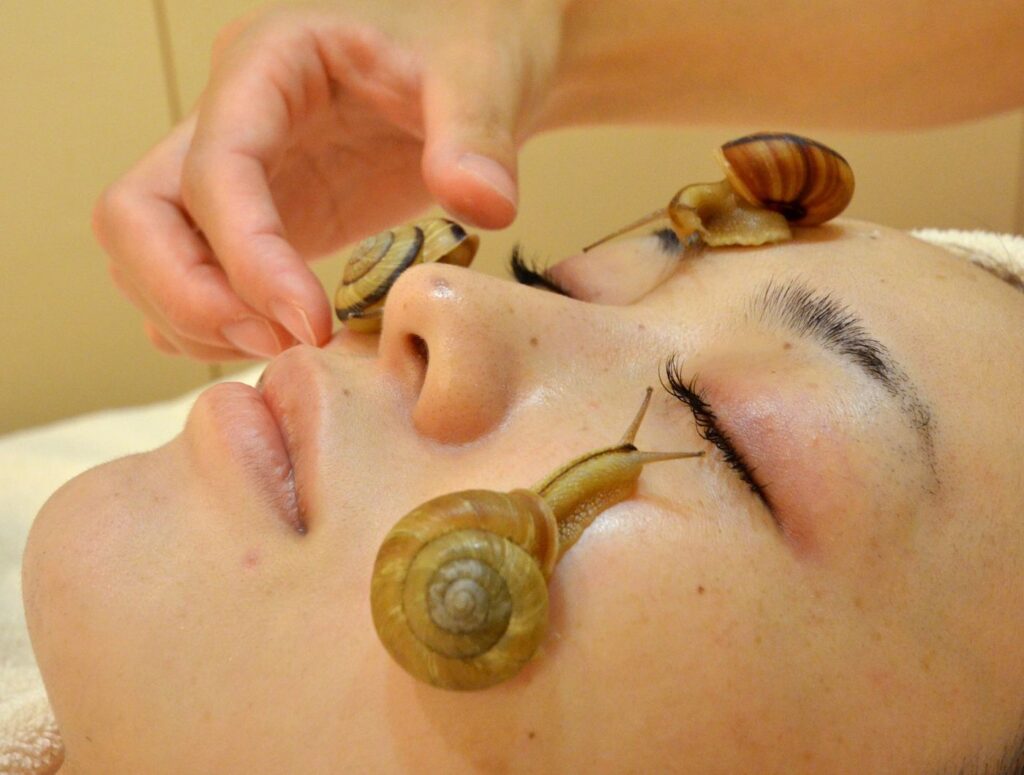
As we continue to explore the world of natural cosmetics and medicinal products, a fascinating ingredient has been gaining attention in recent years: snail mucus. This substance, extracted from the slimy trail left behind by snails, has been touted for its numerous benefits, including anti-aging properties, skin regeneration, and antimicrobial effects. In this article, we will delve into the world of snail mucus, exploring its history, production methods, and potential applications in the cosmetics and pharmaceutical industries.
What is Snail Mucus?
Snail mucus is a protective secretion produced by snails to defend themselves against environmental stressors, such as dehydration and physical damage. This mucous layer helps the snail to move smoothly over various surfaces, including rocks, soil, and even vertical walls. The composition of this mucus is rich in proteins, vitamins, amino acids, and minerals, making it an attractive ingredient for cosmetic and pharmaceutical applications.
The History of Snail Mucus
Snail mucus has been used for centuries in traditional medicine, particularly in Asian cultures. According to historical records, ancient civilizations such as the Chinese and Egyptians recognized the benefits of snail mucus in treating various health conditions, including digestive issues and skin problems. Even Hippocrates, considered one of the fathers of modern medicine, mentioned snail mucus as a treatment for gastritis and other stomach ailments.
Cosmetic Applications
In recent years, snail mucus has gained popularity in the cosmetic industry due to its ability to improve skin health and appearance. The active ingredients present in snail mucus have been shown to:
- Promote skin regeneration and repair
- Reduce fine lines and wrinkles
- Hydrate and moisturize the skin
- Soothe and calm irritated skin
The use of snail mucus in cosmetics is particularly appealing due to its natural origin, biocompatibility, and ability to penetrate deep into the skin.
Production Methods
There are two primary methods for producing snail mucus: manual collection and enzymatic extraction. Manual collection involves gently stimulating the snails to produce mucus, which is then collected and purified. Enzymatic extraction uses specialized equipment to break down the snail’s mucous membrane, releasing the active ingredients.
While both methods have their advantages and disadvantages, enzymatic extraction is considered more efficient and produces higher-quality results.
Market Potential
The demand for snail mucus is growing rapidly, driven by increasing consumer interest in natural cosmetics and medicinal products. The global market for snail mucus is expected to reach significant proportions in the coming years, with various industries seeking to capitalize on its benefits.
Regulations and Standards
Snail mucus is not heavily regulated in most countries, but its use in cosmetics and pharmaceuticals may be subject to specific guidelines and regulations depending on local laws and standards. Regulatory bodies such as the FDA and EU authorities are working to establish standards for the production and labeling of snail mucus products.
Environmental Impacts
The environmental impact of snail mucus production depends on the specific methods used. Manual collection can be labor-intensive and may require large amounts of water, while enzymatic extraction typically requires less water and energy but may involve chemical processing.
To minimize the risk of contamination and ensure sustainable production practices, it is essential to source high-quality snail mucus from reputable suppliers and follow proper handling and storage procedures.
Consumer Safety
Like any food product, snail mucus can potentially harbor bacteria or other pathogens. To minimize the risk of contamination, it is crucial to:
- Source high-quality snail mucus from reputable suppliers
- Follow proper handling and storage procedures
- Follow recommended usage guidelines
Conclusion
Snail mucus is a remarkable ingredient with a rich history and numerous potential applications in the cosmetics and pharmaceutical industries. As we continue to explore the benefits of this natural substance, it will be exciting to see how it shapes the future of skincare and medicine.
Frequently Asked Questions (FAQs)
Q: What are the health benefits of snail mucus?
A: Snail mucus has been shown to promote skin regeneration, reduce fine lines and wrinkles, hydrate and moisturize the skin, soothe and calm irritated skin, and provide antimicrobial protection.
Q: How is snail mucus produced?
A: Snail mucus can be produced through manual collection or enzymatic extraction. Manual collection involves stimulating the snails to produce mucus, while enzymatic extraction uses specialized equipment to break down the snail’s mucous membrane.
Q: What are the potential applications of snail mucus in cosmetics and pharmaceuticals?
A: Snail mucus can be used in a variety of cosmetic products, including creams, serums, masks, and cleansers. It also has potential uses in pharmaceuticals for treating various health conditions, such as digestive issues and skin problems.
Q: How is snail mucus regulated in the market?
A: Snail mucus is not heavily regulated in most countries, but its use in cosmetics and pharmaceuticals may be subject to specific guidelines and regulations depending on local laws and standards.
Q: What are the environmental impacts of snail mucus production?
A: The environmental impact of snail mucus production depends on the specific methods used. Manual collection can be labor-intensive and may require large amounts of water, while enzymatic extraction typically requires less water and energy but may involve chemical processing.
Q: Can snail mucus be contaminated with bacteria or other pathogens?
A: Yes, like any food product, snail mucus can potentially harbor bacteria or other pathogens. To minimize the risk of contamination, it is essential to source high-quality snail mucus from reputable suppliers and follow proper handling and storage procedures.
Q: How can I get started with using snail mucus in my skincare routine?
A: Start by researching reputable brands that offer snail mucus-based products or consult with a dermatologist for personalized recommendations on incorporating snail mucus into your skincare routine.


