
Understanding the Importance of Mosquito Control
Mosquitoes are an essential part of the ecosystem, serving as a food source for various animals such as fish, birds, and other insects. However, their bites can be detrimental to human health, leading to diseases such as malaria, dengue fever, and Zika virus. In fact, according to the World Health Organization (WHO), mosquitoes transmit over 450 million cases of malaria worldwide each year, resulting in approximately 435,000 deaths annually. It’s essential to implement effective biological control methods to manage mosquito populations.
The Impact of Mosquito Bites
Mosquito bites can lead to a range of health issues, including allergic reactions, skin infections, and even life-threatening conditions such as anaphylaxis. The saliva in the mosquitoes’ bites contains proteins that trigger an immune response, leading to inflammation and swelling in the affected area. In severe cases, mosquito bites can cause respiratory distress, especially for individuals with pre-existing conditions.
Natural Predators: The Unsung Heroes
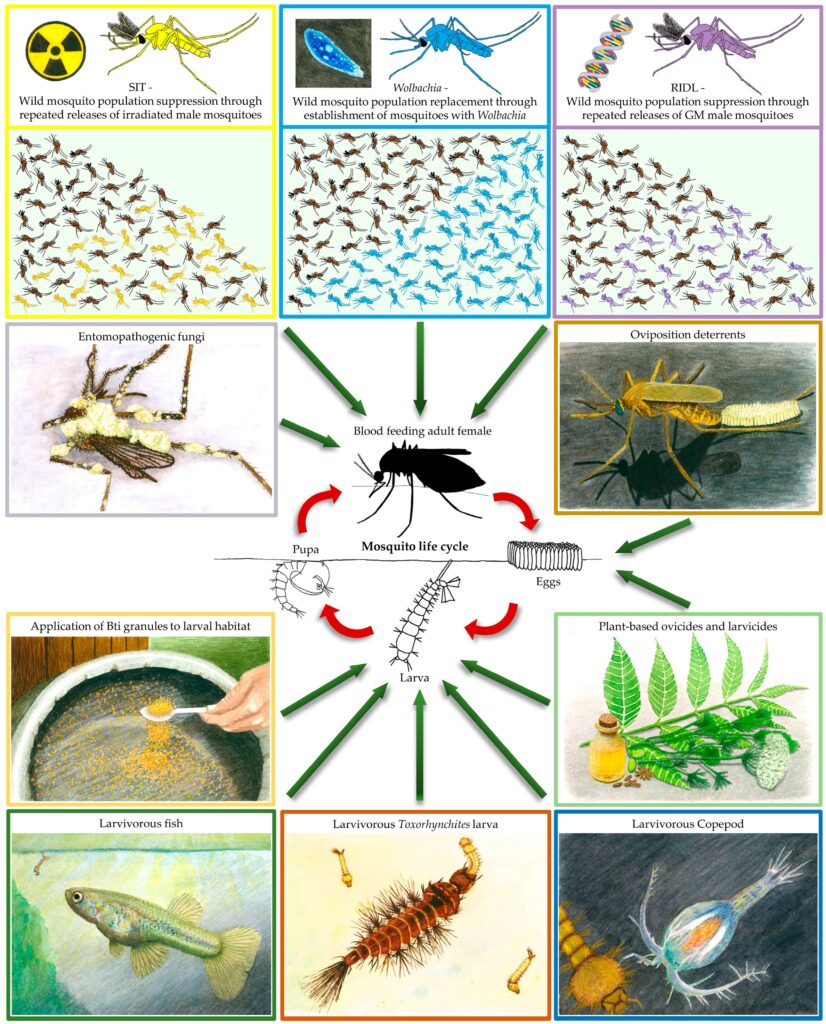
One of the most effective ways to control mosquitoes is by introducing natural predators into the environment. Some species of fish, such as Gambusia affinis and Gambusia holbrooki, feed on mosquito eggs and larvae, making them a valuable addition to any aquatic ecosystem.
The Role of Fish in Biological Control
Gambusia affinis and Gambusia holbrooki are two species of fish that have been widely used for biological control of mosquitoes. These fish can consume up to 1500 mosquito larvae per day, making them an effective solution for large-scale mosquito management. By introducing these fish into the environment, we can significantly reduce the mosquito population size, thereby reducing the risk of disease transmission.
Other Natural Predators: Libellules and Damigelle
In addition to fish, other natural predators like libellules and damigelle (also known as Zigopeta) can also be used for biological control. These insects are harmless to humans and can feed on mosquitoes without causing any harm to the environment. By introducing these insects into the ecosystem, we can create a balanced population of mosquitoes, reducing their impact on human health.
Pipistrelli: The Unlikely Heroes
Pipistrelli, or bats, are often misunderstood creatures that play a crucial role in controlling mosquito populations. By feeding on mosquitoes, these small mammals help reduce the risk of disease transmission. In fact, studies have shown that bats can consume up to 1 billion mosquitoes per year, making them an essential part of any biological control strategy.
The Role of Pipistrelli in Biological Control
Pipistrelli are unique creatures that play a vital role in controlling mosquito populations. Their feeding habits and behavior make them an effective tool for biological control. By introducing pipistrelli into the environment, we can create a natural balance between mosquitoes and their predators, reducing their impact on human health.
Entomophthora culicis: A Natural Antiparassitario
A 1981 study revealed that the fungus Entomophthora culicis has toxic effects on various mosquito species. The spores of this fungus can be used as a natural antiparassitario, weakening the mosquito’s vital functions and making it less likely to survive.
Toxorhynchites: The Mosquito-Eating Giant
The Toxorhynchites genus is home to one of the largest mosquito-eating insects in the world. These mosquitoes feed on nectar rather than blood, reducing their impact on human health. By introducing these insects into the environment, we can create a natural balance between mosquitoes and their predators.
Trappoles: A Humane Solution
If biological control methods seem too challenging, trappoles and other humane devices can be used to capture and eliminate mosquitoes. By removing standing water and using traps, we can reduce the mosquito population without harming the environment. Trappoles are an effective solution for controlling mosquito populations in small-scale settings.
Effective Biological Control Methods for a Healthier Environment
By introducing natural predators, fish-based biological control, libellules and damigelle, pipistrelli, Entomophthora culicis, Toxorhynchites, and trappoles, we can effectively manage mosquito populations. These methods not only reduce the risk of disease transmission but also promote a healthier environment.
Benefits of Biological Control
Biological control offers several benefits over traditional chemical-based methods for controlling mosquitoes. Some of these benefits include:
- Environmental sustainability: Biological control methods are more environmentally friendly, reducing the impact on local ecosystems and biodiversity.
- Cost-effectiveness: Biological control can be a cost-effective solution for managing mosquito populations, especially in small-scale settings.
- Long-term effects: Biological control methods can provide long-term results, reducing the risk of mosquito population growth over time.
Challenges and Limitations
While biological control offers several benefits, there are also challenges and limitations to consider:
- Limited availability: Some natural predators and insects may not be readily available in certain regions or areas.
- Climate change: Climate change can affect the distribution and behavior of mosquito populations, making it challenging to implement effective biological control methods.
- Human safety: In some cases, natural predators or insects may pose a risk to human safety, especially if they are not properly handled or managed.
Conclusion
Biological control is an essential tool for managing mosquito populations and reducing the risk of disease transmission. By understanding the importance of mosquito control and implementing effective biological methods, we can create a healthier environment for both humans and animals alike. Whether it’s introducing natural predators, fish-based biological control, libellules and damigelle, pipistrelli, Entomophthora culicis, Toxorhynchites, or trappoles, there are many effective solutions available for controlling mosquito populations.
Frequently Asked Questions
- What are some effective natural predators for mosquitoes?
Natural predators like Gambusia affinis, Gambusia holbrooki, libellules, damigelle (Zigopeta), and pipistrelli can be used to control mosquito populations. - How do fish-based biological control methods work?
Fish like Gambusia affinis and Gambusia holbrooki feed on mosquito eggs and larvae, reducing the population size. - Can libellules and damigelle be used for biological control?
Yes, these insects can be used to feed on mosquitoes without causing harm to humans or the environment. - What is Entomophthora culicis and how does it affect mosquitoes?
Entomophthora culicis is a fungus that has toxic effects on various mosquito species, weakening their vital functions. - How do pipistrelli help control mosquito populations?
Pipistrelli feed on mosquitoes, reducing the risk of disease transmission. - What are some effective trappoles for mosquito control?
Trappoles like the Aqualab can be used to capture and eliminate mosquitoes without harming the environment. - Can Toxorhynchites be used for biological control?
Yes, these mosquitoes feed on nectar rather than blood, reducing their impact on human health. - How can I introduce natural predators into my garden or yard?
Consult with local authorities or experts to determine the best approach for introducing natural predators into your environment.
By understanding the importance of mosquito control and implementing effective biological methods, we can create a healthier environment for both humans and animals alike.


