
As a plant enthusiast, you’re likely aware of the significant amount of water your plants consume, especially during hot summer months. However, with a few simple strategies and new habits, you can significantly reduce water waste while still ensuring your plants receive the necessary hydration. In this article, we’ll explore a 10-step plan to help you conserve water and optimize plant irrigation.
Understanding Water Loss
Before we dive into the solutions, it’s essential to understand where water is lost in the first place. When watering plants, most of the water is wasted on the surrounding surfaces, including the soil, pot, and pavement. This loss can be minimized by adopting a few simple techniques.
Step 1: Focus Water at the Base
One of the primary causes of water waste is overwatering, which leads to runoff and evaporation. To avoid this, focus your watering efforts at the base of the plant, rather than pouring water directly onto the leaves or soil surface. This ensures that most of the water is absorbed by the roots.
Step 2: Collect and Recycle Grey Water
Grey water, also known as wastewater, can be collected from various household activities, such as washing fruits and vegetables, or even running taps. By reusing this grey water for plant irrigation, you can significantly reduce your overall water consumption.
Step 3: Utilize Rainwater Harvesting
Rainwater harvesting is a simple yet effective way to collect and store rainwater for later use. By positioning pots and containers under the downspout of your roof, you can collect clean water that’s perfect for plant irrigation. This not only reduces stormwater runoff but also provides a natural source of water for your plants.
Step 4: Water Plants at Night
Watering plants during the night allows them to absorb the water more efficiently, reducing evaporation and minimizing waste. This is especially beneficial in hot weather when plants are most active during the day.
Step 5: Implement Water-Saving Systems
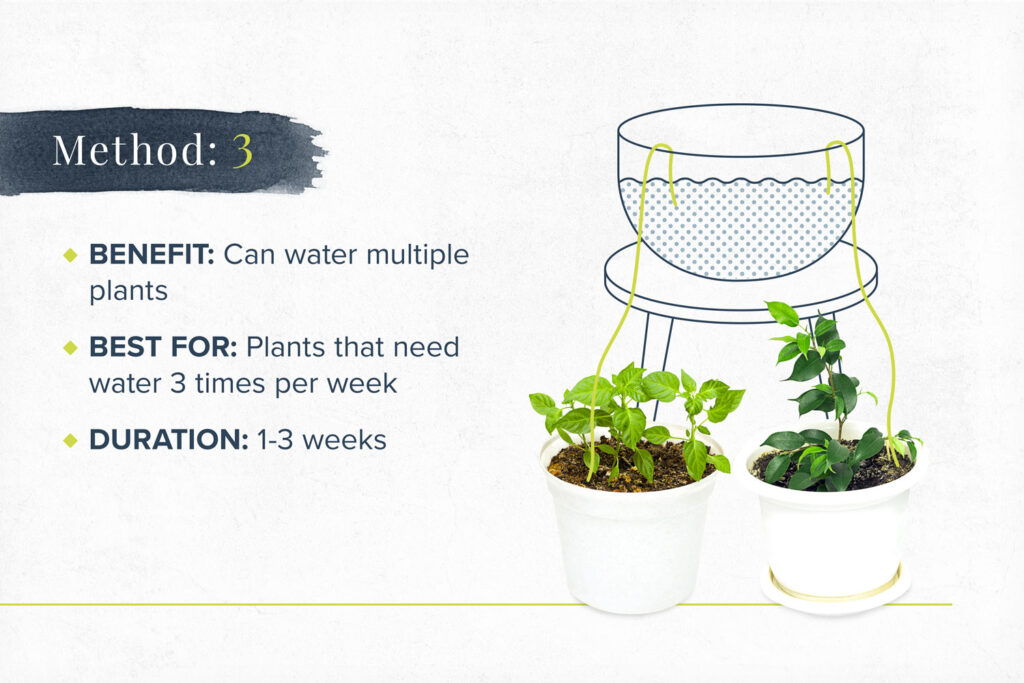
There are various systems available that can help you conserve water and optimize plant irrigation. These include drip irrigation, soaker hoses, and self-watering pots, among others. By investing in these systems, you can significantly reduce your water consumption while still providing your plants with the necessary hydration.
Additional Tips for Water-Saving
In addition to the 10-step plan outlined above, here are a few more tips to help you optimize plant irrigation and conserve water:
- Use a rain gauge to measure rainfall and adjust your watering schedule accordingly.
- Mulch around plants to reduce soil temperature and evaporation.
- Monitor plant moisture levels by checking the color of the leaves or feeling the soil texture.
Drought-Tolerant Plants
While these tips can help you conserve water, not all plants are suitable for drought conditions. If you live in an area prone to droughts, consider planting drought-tolerant species that require minimal watering. Some popular options include succulents, cacti, and native plants.
Water-Efficient Planters
When choosing planters, look for water-efficient options such as:
- Self-watering pots with built-in water reservoirs
- Drip irrigation systems that deliver water directly to the roots
- Plants in planters made from breathable materials like terracotta or wood
Conclusion
By adopting these simple strategies and new habits, you can significantly reduce your water consumption while still providing your plants with the necessary hydration. Remember, every small change can make a big difference in conserving this precious resource.
Frequently Asked Questions (FAQs)
- How often should I water my plants?
The frequency of watering depends on various factors, including plant type, climate, and soil moisture levels. It’s essential to monitor your plants’ responses to watering and adjust your schedule accordingly. - Can I use tap water for irrigation?
While tap water can be used for irrigation, it’s often not the most efficient choice. Tap water may contain chemicals or minerals that can harm plants, so consider using filtered or rainwater instead. - How much water is wasted during watering?
According to estimates, up to 50% of water used for irrigation is lost due to evaporation and runoff. By adopting water-saving strategies, you can significantly reduce this waste. - Can I use grey water for all plants?
Grey water can be used for most plants, but not all. Some plants, like ferns and orchids, prefer acidic or alkaline soil conditions that may not be suitable for grey water. - How long can I store rainwater?
Rainwater should be stored in a clean, covered container to prevent contamination. It’s best to use it within 24-48 hours, as bacteria and other microorganisms can grow rapidly in stagnant water. - Can I add fertilizers or chemicals to stored rainwater?
Avoid adding fertilizers or chemicals to stored rainwater, as this can alter the pH levels and create an environment conducive to algae growth. - How do I maintain my rainwater harvesting system?
Regularly inspect your system for leaks, clean containers, and check water quality to ensure optimal performance. - Can I use stored rainwater during droughts?
Yes, stored rainwater can be a valuable resource during droughts. By combining it with grey water or other water-saving strategies, you can help sustain your plants during dry periods.
By following these tips and adopting a water-saving approach to plant irrigation, you can contribute to conserving this precious resource while still enjoying the beauty of nature in your home or garden.


