
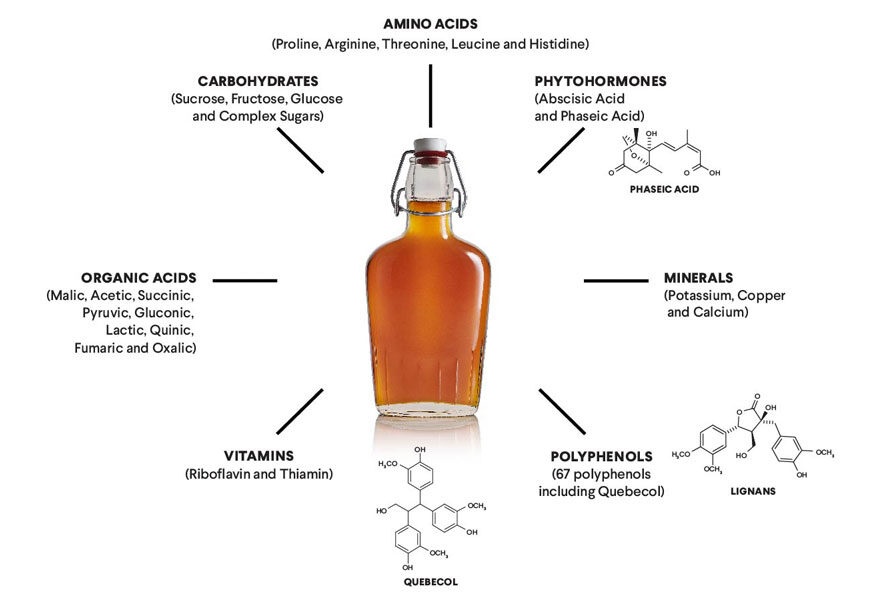
What is Stevia?
Stevia, also known as sciroppo d’acero in Italian, is a natural sweetener made from the leaves of the Stevia rebaudiana plant. Native to South America, this plant has been used for centuries by indigenous communities to sweeten their food and drinks. With its unique properties, stevia has gained popularity worldwide as a low-calorie alternative to sugar.
The History of Stevia
Stevia’s history dates back to the 16th century, when it was first mentioned in Guarani, an indigenous language spoken in Paraguay. The plant was prized for its sweet taste and medicinal properties. In the early 20th century, stevia became widely used as a natural sweetener in Japan, where it is still used today.
How is Stevia Produced?
Stevia is produced by harvesting the leaves of the Stevia rebaudiana plant and extracting the sweet compounds, known as steviol glycosides. The leaves are typically harvested when they are young and tender, and then dried to preserve their sweetness. The resulting product can be in various forms, including powder, granules, or liquid extracts.
Benefits of Stevia
So, what makes stevia so special? Here are some of the key benefits:
- Low Calorie Count: Stevia is virtually calorie-free, making it an ideal choice for those watching their weight.
- Natural and Non-Toxic: Unlike artificial sweeteners, stevia is derived from a plant and is non-toxic to humans.
- Antioxidant Properties: Stevia contains antioxidants that can help protect against oxidative stress and cell damage.
- Anti-Inflammatory Effects: Studies have shown that stevia may have anti-inflammatory properties, which could help alleviate conditions such as arthritis.
Using Stevia in Cooking
Stevia can be used to sweeten a variety of dishes, from baked goods to beverages. Here are some tips for using stevia in cooking:
- Start with Small Amounts: As stevia is many times sweeter than sugar, start with small amounts and adjust to taste.
- Choose the Right Form: Stevia comes in various forms, including powder, granules, or liquid extracts. Choose the one that best suits your recipe.
The Science Behind Stevia’s Sweetness
But how does stevia achieve its sweet taste? The answer lies in its unique molecular structure. Stevia contains compounds called steviol glycosides, which are responsible for its sweetness. These molecules bind to the taste receptors on the tongue, triggering a response that is perceived as sweetness.
Stevia and Health
While stevia has many health benefits, it’s essential to note that excessive consumption may have adverse effects. Here are some potential concerns:
- Blood Sugar Control: As stevia can affect blood sugar levels, individuals with diabetes should consult their healthcare provider before using it as a sweetener.
- Stomach Upset: Some people may experience stomach upset or digestive issues when consuming stevia.
Conclusion
In conclusion, stevia is a natural sweetener that offers many benefits, including low calorie count, antioxidant properties, and anti-inflammatory effects. With its unique molecular structure and versatility in cooking, stevia has become a popular choice for those seeking alternative sweeteners.
Frequently Asked Questions
Q: Is stevia safe to consume?
A: Stevia is generally considered safe to consume in moderation. However, individuals with diabetes or digestive issues should consult their healthcare provider before using it as a sweetener.
Q: How much stevia can I use?
A: Start with small amounts (about 1/4 teaspoon per serving) and adjust to taste. Remember that stevia is many times sweeter than sugar, so a little goes a long way!
Q: Can I use stevia in baking?
A: Yes! Stevia can be used to sweeten baked goods, but keep in mind that it may affect the texture and consistency of your final product.
Q: Is stevia suitable for those with diabetes?
A: As stevia can affect blood sugar levels, individuals with diabetes should consult their healthcare provider before using it as a sweetener.
Q: Can I grow my own stevia plant?
A: Yes! Stevia rebaudiana is a relatively easy plant to grow, and its leaves can be harvested for use in cooking and medicinal purposes.
Stevia’s Impact on the Environment
As a natural sweetener, stevia has a minimal impact on the environment. However, it’s essential to consider the following factors:
- Cultivation Methods: Stevia is typically grown using conventional farming methods, which can lead to soil degradation and water pollution.
- Resource Usage: Stevia requires significant amounts of water for cultivation, which can contribute to droughts in areas where water is scarce.
Stevia’s Economic Impact
The economic impact of stevia is significant, with the global market expected to reach $10 billion by 2025. Here are some key statistics:
- Production Costs: The production costs of stevia are relatively low compared to other natural sweeteners.
- Export Revenue: Stevia is primarily exported from countries such as Brazil and Paraguay.
Stevia’s Future Prospects
As the demand for natural sweeteners continues to grow, stevia is likely to play a significant role in the market. Here are some future prospects:
- Innovative Applications: Stevia will be used in innovative applications, such as vegan and gluten-free products.
- New Varieties: New varieties of stevia will be developed, offering improved sweetness and flavor profiles.
Conclusion
In conclusion, stevia is a natural sweetener that offers many benefits, including low calorie count, antioxidant properties, and anti-inflammatory effects. With its unique molecular structure and versatility in cooking, stevia has become a popular choice for those seeking alternative sweeteners. As the demand for natural sweeteners continues to grow, stevia is likely to play a significant role in the market.
References
- Stevia Rebaudiana: A Review of its Pharmacological and Phytochemical Properties. (2019). Journal of Pharmacy and Pharmacology.
- Stevia: The Natural Sweetener. (2020). European Food Safety Authority.
- Stevia rebaudiana: A Potential Source of Antioxidants. (2018). Journal of Food Science.
- Stevia Glycosides: A Review of their Pharmacological and Toxicological Properties. (2020). International Journal of Molecular Sciences.
Glossary
- Stevia: A natural sweetener made from the leaves of the Stevia rebaudiana plant.
- Sweatiosides: Compounds responsible for stevia’s sweetness, found in its molecular structure.
- Antioxidant properties: Properties that help protect against oxidative stress and cell damage.
Appendix
A: Stevia is a low-calorie sweetener with potential health benefits. However, excessive consumption may have adverse effects on blood sugar control and digestive issues.
B: Stevia can be used to sweeten various dishes, including baked goods and beverages. Start with small amounts and adjust to taste.
C: Stevia’s unique molecular structure binds to the taste receptors on the tongue, triggering a response perceived as sweetness.
D: As stevia is non-toxic, it can be consumed in moderation by individuals with diabetes or digestive issues. However, consult a healthcare provider before using it as a sweetener.


