
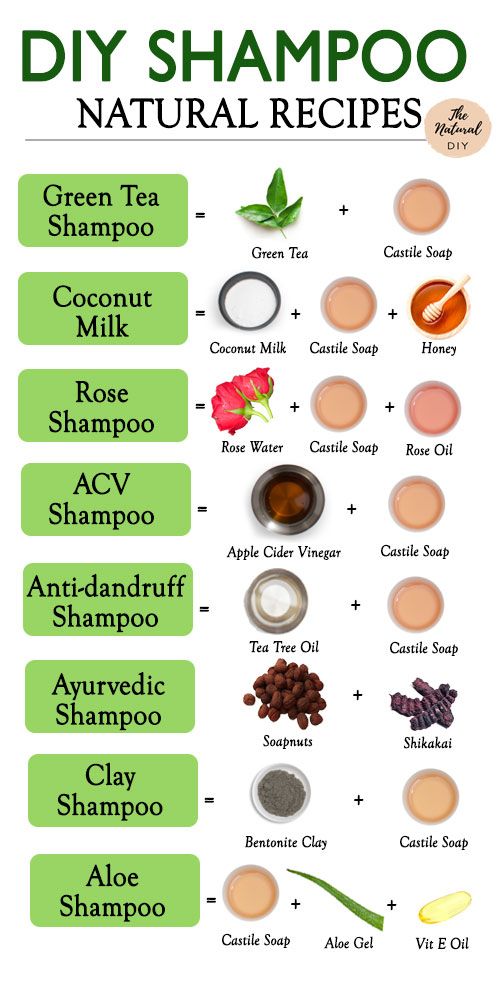
Are you tired of using commercial shampoos that can dry out your hair and harm the environment? Making your own shampoo at home is a great way to take care of your hair while also being kind to the planet. In this article, we’ll explore the benefits of making your own shampoo and provide a simple recipe for a nourishing and gentle formula.
Why Make Your Own Shampoo?
There are many reasons why making your own shampoo is a good idea. For one, commercial shampoos often contain harsh chemicals that can strip your hair of its natural oils and cause damage. These chemicals can also harm the environment, contributing to pollution and other ecological problems. By making your own shampoo, you can avoid these harsh ingredients and create a product that is gentle and nourishing for your hair.
The Green Option
One of the best things about making your own shampoo at home is the environmental impact. When you buy commercial shampoos, you’re often contributing to the production and disposal of packaging materials, which can end up in landfills and oceans. By making your own shampoo, you can avoid these waste products and create a more sustainable beauty routine.
Natural Ingredients for Healthy Hair
So, what ingredients do you need to make your own shampoo? Here are some natural ingredients that are great for hair health:
- 2 tablespoons of chamomile tea
- 1/2 cup of freshly squeezed lemon juice
- 2 tablespoons of apple cider vinegar
- 2 tablespoons of gentle soap (such as coconut or olive oil-based)
- 8 ounces of water
- Optional: salvia tea, aloe vera gel, honey, and essential oils
The Benefits of Natural Ingredients
Each of these natural ingredients has its own unique benefits for hair health. Here’s a brief overview:
- Chamomile Tea: Chamomile tea is known for its calming effects on the scalp and can help reduce dandruff and other scalp irritations.
- Lemon Juice: Lemon juice contains citric acid, which can help balance the pH of the scalp and promote healthy hair growth.
- Apple Cider Vinegar: Apple cider vinegar has antifungal and antibacterial properties, making it effective against dandruff, itchiness, and other scalp irritations.
- Gentle Soap: Gentle soap, such as coconut or olive oil-based, can help clean the hair without stripping it of its natural oils.
The Recipe
Here’s a simple recipe for a nourishing and gentle shampoo made with natural ingredients:
Ingredients:
- 2 tablespoons of chamomile tea
- 1/2 cup of freshly squeezed lemon juice
- 2 tablespoons of apple cider vinegar
- 2 tablespoons of gentle soap (such as coconut or olive oil-based)
- 8 ounces of water
- Optional: salvia tea, aloe vera gel, honey, and essential oils
Instructions:
- In a small saucepan, bring the water to a boil.
- Add the chamomile tea and continue to simmer for 5 minutes.
- Strain the tea into a large bowl and discard the solids.
- Add the lemon juice and apple cider vinegar to the bowl and stir well.
- Gradually add the soap to the mixture, stirring constantly until the soap is fully dissolved.
- Let the mixture cool to room temperature before use.
The Benefits of Salvia Tea
Salvia tea has been used for centuries in traditional medicine to promote hair growth and improve scalp health. Here’s why you should consider adding salvia tea to your shampoo recipe:
- Rich in antioxidants: Salvia tea is rich in antioxidants, which can help protect your hair from damage caused by free radicals.
- Promotes hair growth: The active compounds in salvia tea have been shown to promote hair growth and improve scalp health.
- Soothes the scalp: Salvia tea has anti-inflammatory properties, which can help soothe an itchy or irritated scalp.
Tips for Making Your Own Shampoo
Here are some tips to keep in mind when making your own shampoo at home:
- Use gentle soap that is free of harsh chemicals.
- Choose natural ingredients that are gentle on the hair and scalp.
- Avoid using hot water, which can strip your hair of its natural oils. Instead, use warm or cool water to make your shampoo.
- Consider adding a few drops of essential oil (such as lavender or tea tree oil) to give your shampoo a pleasant scent.
- Be patient: making your own shampoo can take some trial and error. Don’t be discouraged if the first batch doesn’t turn out perfectly.
Common Mistakes to Avoid
When making your own shampoo, there are several common mistakes to avoid:
- Using too much soap, which can strip the hair of its natural oils.
- Not using enough water, which can result in a thick and sticky shampoo.
- Adding too many essential oils, which can cause irritation or allergic reactions.
Conclusion
Making your own shampoo at home is a great way to take care of your hair while also being kind to the environment. By using natural ingredients and avoiding harsh chemicals, you can create a nourishing and gentle formula that promotes healthy hair growth and improves scalp health. With this simple recipe and some basic tips, you can start making your own shampoo at home today.
FAQs
- Q: Can I use this shampoo on all types of hair?
A: This shampoo is best suited for normal to dry hair types. If you have oily hair, you may want to consider a different formula. - Q: How often should I use this shampoo?
A: Use the shampoo 2-3 times per week, or as needed. - Q: Can I store my homemade shampoo in the fridge?
A: Yes, storing your shampoo in the fridge can help preserve its freshness and prevent bacterial growth. - Q: What are some other natural ingredients that can be used in shampoo?
A: Some other natural ingredients that can be used in shampoo include coconut oil, olive oil, honey, and aloe vera gel. - Q: Can I use this shampoo on color-treated hair?
A: This shampoo is best suited for color-treated hair. If you have color-treated hair, it’s recommended to do a patch test before using the shampoo. - Q: How long does homemade shampoo typically last?
A: Homemade shampoo can typically last 1-2 weeks in the fridge, depending on usage and storage conditions.
Tips for Using Your Homemade Shampoo
Here are some tips for using your homemade shampoo:
- Use warm or cool water to clean your hair, rather than hot water.
- Avoid over-washing your hair, as this can strip it of its natural oils.
- Consider adding a conditioner or moisturizer after shampooing to help lock in moisture and reduce frizz.
Conclusion
Making your own shampoo at home is a great way to take care of your hair while also being kind to the environment. By using natural ingredients and avoiding harsh chemicals, you can create a nourishing and gentle formula that promotes healthy hair growth and improves scalp health. With this simple recipe and some basic tips, you can start making your own shampoo at home today.


