
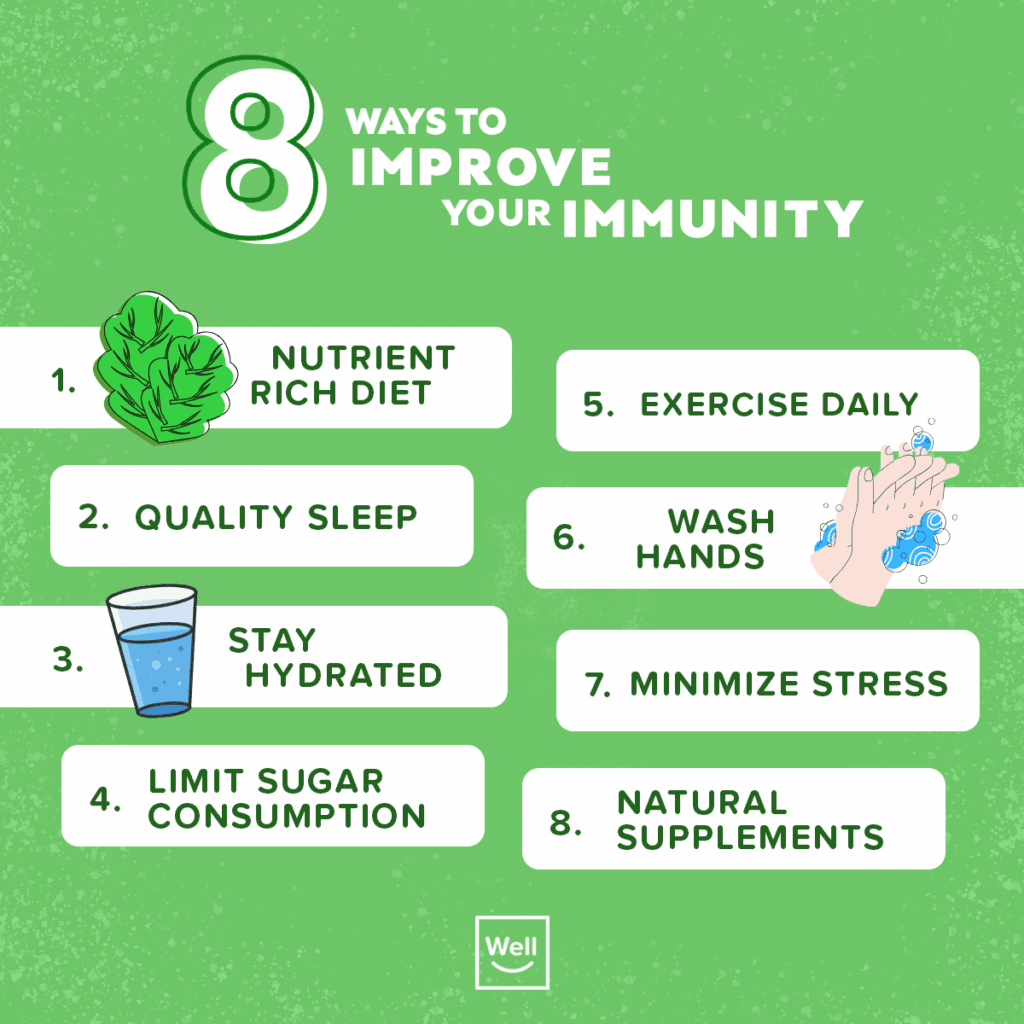
As we age, our immune system becomes weaker, making us more susceptible to illnesses. However, there are several natural remedies that can help boost your immune system, keeping you healthy and strong.
What Weeds Away at Our Immunity?
Before we dive into the natural remedies, let’s talk about what can weaken our immunity. Stress, overuse of antibiotics, cold weather, humidity, seasonal changes, excessive sun exposure, temperature fluctuations, smoking, poor diet, sedentary lifestyle, obesity, and depression are all factors that can lower our immune system.
It’s clear that eliminating these risk factors can already help our body in a significant way. By addressing these common culprits, we can take the first step towards strengthening our immunity and protecting ourselves from illness.
Boosting Your Immune System
In homeopathy, there are granules immunostimulants, just as in herbalism, there are teas and macerations with similar effects. Before we talk about lab-made preparations, let’s focus on the natural remedies that can help you every day.
Everything starts from nutrition. If your body receives the right micronutrients, your immune system won’t let you down!
A Healthy Diet
A varied diet is essential to boost your immune system. Avoid eating the same foods over and over again, especially if they’re processed or come in a can. Processed foods often contain unhealthy additives and preservatives that can weaken our immunity.
Here are some foods that can help improve your immune system:
- Flaxseeds: Reduce cholesterol and sweep away bacteria and fermentation.
- A soup made with sedum, potatoes, and parsnips provides fiber, sulfur, and potassium, which stimulate the kidneys and digestion. This type of soup is perfect for combating autumn humidity; add a pinch of curcuma to make it even better!
- Other useful foods for boosting your immune system are garlic, ginseng, citrus fruits, kiwi, and carrots.
Fermented Foods for Immunity
Fermented foods contain microorganisms that can positively alter the balance of gut bacteria. They help the immune system by stopping the growth of harmful bacteria, including those that can cause illness. Fermented foods also produce immunoglobulins directly, which helps boost our immunity.
Unfortunately, not all yogurt contains living probiotics, so don’t expect to get a dose of live microbes from your yogurt. However, you can take probiotic supplements in capsule or tablet form and find them at your local pharmacy or online.
Some examples of fermented foods include:
- Yogurt (look for “live cultures” on the label)
- Sauerkraut
- Kimchi
- Miso soup
- Kefir
Natural Medicine and Herbalism
To boost your immune system, natural medicine emphasizes the use of immunostimulating plants or adaptogenic plants. Some popular plants used in herbal medicine include blackberries and dandelion.
For more information on how to take these two natural remedies to improve your immunity, check out our pages:
- Blackberry: Properties, Uses, and Side Effects
- Dandelion: Properties, Uses, and Side Effects
Other Natural Remedies
To boost your immune system, we need to ensure that our body gets the right amount of rest. Rest helps recover energy and strengthens the entire body, including the immune system. Make sure you’re getting 8 hours of sleep each day and prioritize good quality sleep as well.
Problems like insomnia or insufficient sleep can increase the risk of contracting certain diseases. Try incorporating relaxation techniques into your daily routine, such as meditation, yoga, or deep breathing exercises, to help improve the quality of your sleep.
Limit your consumption of processed products and refined sugar, especially sugary drinks. A study conducted by Dr. Brigitte Mars found that excessive sugar consumption can damage our immune system.
Macrobiotics: What is it?
Macrobiotics is an ancient diet that originated in Japan and emphasizes whole, locally sourced foods to promote overall health and wellness. The philosophy behind macrobiotics is centered around the idea of balancing yin and yang energies within the body through a balanced diet.
Macrobiotic diets focus on:
- Eating seasonal, locally grown fruits and vegetables
- Incorporating fermented foods like miso and tempeh
- Drinking green tea or other herbal teas
- Avoiding sugary drinks and refined carbohydrates
- Cooking food using steam or low heat to preserve nutrients
Some popular macrobiotic ingredients include:
- Brown rice
- Buckwheat
- Miso paste
- Tempeh
- Seaweed like wakame and kombu
- Fermented soybeans like natto
Acupuncture and Acupressure
Traditional Chinese medicine has long recognized the importance of balancing the body’s energy to promote overall health. Acupuncture and acupressure are two techniques used in traditional Chinese medicine to stimulate the immune system.
Acupuncture involves inserting thin needles into specific points on the body, which can help restore balance to the flow of energy (qi). These needles can be used to stimulate the immune system by targeting areas related to stress and inflammation.
Acupressure is a non-invasive technique that uses pressure points on the skin to stimulate the immune system. This can be done using fingers, thumbs, or specialized tools like acupressure rollers.
Exercise and Physical Activity
Regular exercise can help boost your immune system by:
- Reducing stress levels
- Improving cardiovascular health
- Strengthening the lungs and respiratory system
- Increasing the production of white blood cells
Some examples of exercises that can help boost your immune system include:
- Yoga
- Tai chi
- Swimming
- Cycling
- Aerobics
Vitamin and Mineral Supplements
While a balanced diet provides most of the necessary nutrients, supplements can be beneficial for people with weakened immune systems. Some vitamins and minerals that support immune function include:
- Vitamin C: Boosts white blood cell production and supports collagen synthesis.
- Vitamin E: Acts as an antioxidant to protect against oxidative stress.
- Zinc: Essential for immune cell activation and proliferation.
- Iron: Crucial for the production of white blood cells.
- Selenium: Acts as an antioxidant to protect against free radicals.
However, always consult with a healthcare professional before taking any supplements to ensure they won’t interact with medications or worsen underlying health conditions.
Herbal Supplements
Herbal supplements are derived from plants and can be used to support immune function. Some popular herbal supplements include:
- Echinacea: Known for its anti-inflammatory properties and ability to stimulate the immune system.
- Ginseng: Acts as an adaptogen to help regulate stress levels and support immune function.
- Turmeric: Contains curcumin, a compound with potent anti-inflammatory and antioxidant properties.
- Ashwagandha: Acts as an adaptogen to help regulate stress levels and support immune function.
When choosing herbal supplements, ensure they are made from high-quality, organic ingredients and follow good manufacturing practices (GMPs).
Conclusion
Boosting your immune system is essential for maintaining overall health and wellness. By incorporating natural remedies into your daily routine, such as a balanced diet, fermented foods, natural medicine, and exercise, you can take steps to strengthen your immunity.
Remember to address common risk factors like stress, poor sleep, and excessive sugar consumption to help improve the effectiveness of these natural remedies.
While supplements can be beneficial for people with weakened immune systems, always consult with a healthcare professional before adding any new supplements to your regimen. By making healthy lifestyle choices and incorporating natural remedies into your daily routine, you can take control of your health and well-being.


