
Introduction
Data centers are the backbone of modern computing, providing the infrastructure for companies to store and process vast amounts of data. However, these facilities come with a significant cost: energy consumption. In fact, the total power consumed by data centers worldwide is comparable to that of Italy and France combined. One major contributor to this energy expenditure is cooling systems, which account for up to 30% of a data center’s operating costs. Fresh Air Cooling (FAC) is an emerging technology that promises to revolutionize the way we cool our data centers, but what exactly is it and how does it work?
What is Fresh Air Cooling?
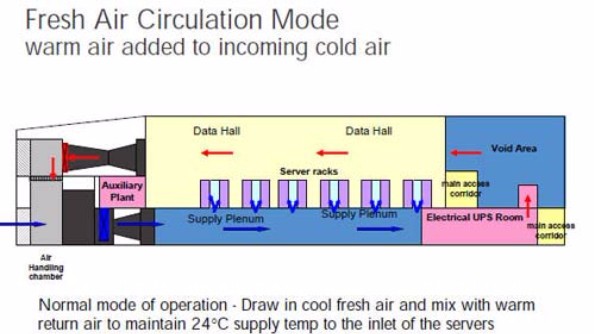
Fresh Air Cooling (FAC) is a method of cooling that uses outside air to cool a data center, rather than relying on traditional mechanical air conditioning systems. This approach can be categorized into two main types: Free Cooling (FC) and Fresh Air Cooling (FAC). In FC, the water used for cooling is cooled using outside air, while in FAC, the entire system relies on the natural convection of outside air to cool the data center.
Benefits of Fresh Air Cooling
Studies by Dell have shown that FAC can be an effective way to reduce energy consumption in data centers. In fact, a study published by Dell found that FAC systems can achieve significant energy savings compared to traditional cooling methods. One key benefit of FAC is its ability to reduce capital and operational costs associated with cooling systems.
The Role of Thermal Design
Thermal design plays a crucial role in determining the effectiveness of Fresh Air Cooling. The data center’s thermal design must be carefully planned to ensure that the system can handle extreme temperatures, up to 45°C (113°F), without compromising its performance. This requires specialized cooling systems and equipment designed specifically for FAC applications.
Challenges and Considerations
While Fresh Air Cooling has many benefits, there are also challenges associated with its implementation. One of the main concerns is ensuring that the data center’s electrical infrastructure can handle the increased load associated with cooling systems. Additionally, there may be issues related to humidity and temperature fluctuations, which can affect system performance.
The ROI of Fresh Air Cooling
A study by Dell found that FAC systems can achieve significant returns on investment (ROI) due to their energy-saving capabilities. In fact, these systems can save up to $275,000 per year for every megawatt (MW) of IT equipment cooled. This makes them an attractive option for data center operators looking to reduce their energy costs.
Conclusion
Fresh Air Cooling is a promising technology that has the potential to revolutionize the way we cool our data centers. By harnessing outside air to cool facilities, FAC systems can achieve significant energy savings and reduced operational costs. While there are challenges associated with its implementation, the benefits of FAC make it an attractive option for data center operators looking to reduce their carbon footprint.
Frequently Asked Questions
- What is Fresh Air Cooling?
Fresh Air Cooling (FAC) is a method of cooling that uses outside air to cool a data center, rather than relying on traditional mechanical air conditioning systems. - How does Fresh Air Cooling work?
In FAC systems, the air inside the data center is cooled using outside air, which is drawn in and then expelled to reduce the temperature inside the facility. - What are the benefits of Fresh Air Cooling?
The main benefits of FAC include reduced energy consumption, lower operational costs, and improved system performance. - Can Fresh Air Cooling be used in all data centers?
Not all data centers can benefit from FAC due to factors such as humidity, temperature fluctuations, and electrical infrastructure limitations. - What is the ROI of Fresh Air Cooling?
A study by Dell found that FAC systems can achieve significant returns on investment (ROI) due to their energy-saving capabilities, with savings ranging from $275,000 per year for every megawatt (MW) of IT equipment cooled. - How does Thermal Design impact Fresh Air Cooling?
Thermal design plays a crucial role in determining the effectiveness of FAC systems, as it must ensure that the system can handle extreme temperatures without compromising performance. - What are some challenges associated with implementing Fresh Air Cooling?
Some of the main challenges associated with implementing FAC include ensuring that the data center’s electrical infrastructure can handle the increased load, dealing with humidity and temperature fluctuations, and addressing system performance issues. - Can Fresh Air Cooling be used in conjunction with other cooling methods?
Yes, FAC systems can be combined with traditional cooling methods to create hybrid cooling solutions that optimize energy efficiency while maintaining high system performance.
Additional Benefits of Fresh Air Cooling
In addition to the benefits mentioned earlier, Fresh Air Cooling also offers several other advantages. Some of these include:
- Reduced carbon footprint: By using outside air to cool facilities, FAC systems can significantly reduce the amount of greenhouse gases emitted by data centers.
- Improved indoor air quality: FAC systems can provide a healthier indoor environment for occupants by removing pollutants and particulate matter from the air.
- Increased system reliability: By reducing the need for mechanical cooling systems, FAC systems can help to minimize downtime and improve overall system reliability.
Case Studies of Fresh Air Cooling in Data Centers
Several companies have successfully implemented FAC systems in their data centers, achieving significant energy savings and improved system performance. Some examples include:
- Google’s data center in Iowa: Google has installed a FAC system at its data center in Iowa, which is expected to save the company millions of dollars per year on cooling costs.
- Amazon’s data center in Virginia: Amazon has also implemented a FAC system at one of its data centers in Virginia, which is helping to reduce the company’s energy consumption and carbon footprint.
- Microsoft’s data center in Finland: Microsoft has installed a FAC system at its data center in Finland, which is providing a cooler and more comfortable working environment for employees.
Conclusion
Fresh Air Cooling is a promising technology that has the potential to revolutionize the way we cool our data centers. By harnessing outside air to cool facilities, FAC systems can achieve significant energy savings and reduced operational costs. While there are challenges associated with its implementation, the benefits of FAC make it an attractive option for data center operators looking to reduce their carbon footprint.
Future Directions
As research and development continue, Fresh Air Cooling is likely to become an increasingly important factor in the design and operation of data centers. Some potential future directions for this technology include:
- Increased use of natural ventilation: As FAC systems become more widespread, there may be a growing interest in using natural ventilation techniques to further improve cooling efficiency.
- Development of new cooling materials: Researchers are exploring the development of new materials that can improve the effectiveness of FAC systems and reduce their energy consumption.
- Improved thermal design: As FAC systems become more common, there will likely be a greater focus on improving thermal design to ensure optimal performance.
By understanding the benefits and challenges of Fresh Air Cooling, data center operators can make informed decisions about implementing this technology to reduce their energy costs and improve system performance.


