
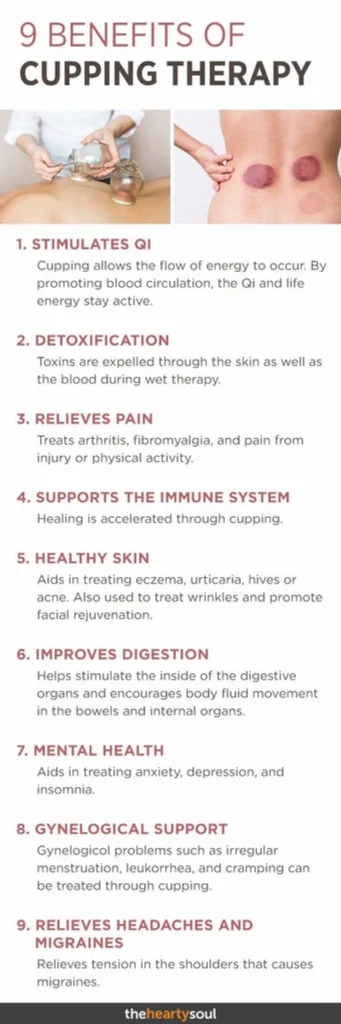
Are you looking for a way to alleviate stress, but yoga or traditional massages aren’t doing the trick? It might be time to consider cupping therapy. This ancient treatment has been around for thousands of years, and recently, it’s gained popularity among amateur and professional athletes.
In this article, we’ll delve into what cupping therapy is, how it works, and its benefits for overall health.
What is Cupping Therapy?
Cupping therapy involves the use of small cups or cones attached to your skin using a vacuum or flame, creating a negative pressure that helps draw out toxins and reduce inflammation. This technique has been used in traditional Asian medicine for centuries to treat various ailments, including pain, stiffness, and respiratory issues.
The History of Cupping Therapy
Cupping therapy has its roots in ancient China, where it was first used around 2000 BCE. It was initially used as a form of medical treatment for the elite classes, but over time it spread throughout Asia and eventually made its way to Europe.
In recent years, cupping has gained popularity among athletes, who use it to improve their performance and reduce muscle soreness after exercise. Some professional sports teams even incorporate cupping into their training regimens.
What Does Cupping Therapy Do?
Cupping therapy can help alleviate tension in the muscles, reducing stress and anxiety. It’s not just for athletes; anyone who experiences muscle pain, stiffness, or breathing difficulties can benefit from this treatment. By using cupping, your body can:
- Reduce inflammation
- Improve circulation
- Relieve tension
The Science Behind Cupping Therapy
Cupping therapy works by creating a negative pressure that pulls out toxins and reduces inflammation in the affected area. This process helps your body to “clear” itself of waste and improve overall health.
When the cup is attached to your skin, it creates suction, which pulls out stagnant blood flow and promotes new circulation. This increased blood flow brings oxygen and nutrients to the affected area, helping to reduce pain and inflammation.
How Does Cupping Therapy Compare to Other Therapies?
Cupping therapy is often compared to other forms of massage or acupuncture, but it has some unique benefits that set it apart from these treatments. Here are a few key differences:
- Effectiveness: Cupping therapy has been shown to be just as effective as other forms of treatment for pain relief and inflammation.
- Ease of Use: Cupping is generally easier to use than acupuncture, which requires inserting thin needles into the skin.
- Cost: Cupping can be more affordable than other treatments, especially when compared to traditional massage therapy.
Is Cupping Therapy Painful?
Many people worry that cupping will be painful, but it’s not usually a concern. While some people might experience a mild stinging sensation when the cup is attached, this discomfort typically subsides once the treatment begins.
Some people may experience redness or bruising after the treatment, which is completely normal and should resolve on its own within a few days.
Getting Started with Cupping Therapy
Cupping therapy isn’t a one-time fix; it’s a process that requires regular sessions. Typically, patients start by visiting the therapist two to three times a week, depending on their individual needs.
In many cases, cupping is used in conjunction with other traditional Chinese medicine treatments, such as acupressure or acupuncture.
While it may take some time to notice the full benefits of cupping therapy, many people find that this treatment helps them feel better faster than they would with other therapies.
Tips for Getting the Most Out of Cupping Therapy
Here are a few tips to help you get the most out of your cupping therapy:
- Start Slow: Begin with small cups and gradually increase in size as needed.
- Communicate With Your Therapist: Let them know if you experience any discomfort or pain during the treatment.
- Be Consistent: Regular sessions are key to seeing full benefits from cupping therapy.
By understanding what cupping therapy can do for you and how it works, you can make an informed decision about whether this ancient treatment is right for you.


