
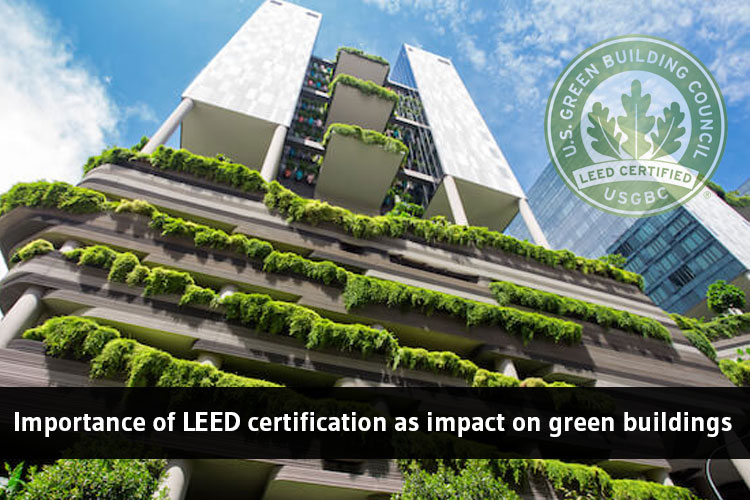
As the world shifts towards a more sustainable future, the importance of energy-efficient buildings cannot be overstated. The Italian construction industry alone accounts for 35% of total energy consumption, making it an ideal sector to improve our environmental footprint. In this article, we will delve into the benefits of LEED certification for buildings and explore its potential to revolutionize the way we design and construct structures.
The Energy Consumption Crisis
Did you know that more than half of existing buildings consume three times more energy than predicted by current building codes? This phenomenon highlights the need for sustainable building practices, particularly in terms of energy efficiency. By adopting LEED standards, builders can significantly reduce energy consumption and lower greenhouse gas emissions.
In recent years, there has been a growing awareness of the importance of energy-efficient buildings. The Italian government has implemented various initiatives to encourage the adoption of sustainable building practices, including the “Green Building Code” which sets minimum requirements for energy efficiency in new constructions. However, despite these efforts, many existing buildings continue to consume excessive amounts of energy, leading to significant environmental impacts.
Smart Grids: The Future of Energy Efficiency
One area where significant improvements are possible is in the realm of smart grids. As non-programmable renewables continue to grow, utilities must adapt by implementing Demand Response and Demand Side Management strategies. Smart grids enable buildings to respond dynamically to changing energy demands, making them more efficient and sustainable.
Smart grids involve the integration of advanced technologies such as sensors, automation systems, and data analytics to optimize energy consumption and reduce waste. This can be achieved through various means, including:
- Demand Response: Building occupants are incentivized to adjust their energy usage in response to changes in energy supply or demand.
- Load Management: Energy-intensive appliances and lighting systems are optimized to minimize peak demand during periods of high energy usage.
- Energy Efficiency Measures: Buildings are equipped with energy-efficient equipment, such as LED lighting and high-efficiency HVAC systems.
Building Efficiency: The Key to Energy Savings
The quality of a building’s design plays a crucial role in determining its energy efficiency. Buildings that are not designed with sustainability in mind can be retrofitted with eco-friendly features, making them more environmentally friendly. LEED certification is an excellent starting point for achieving this goal.
A well-designed building should incorporate various elements that minimize energy consumption and reduce environmental impacts. These include:
- Insulation: Building envelopes and insulation systems are optimized to minimize heat transfer and reduce energy losses.
- Energy-Efficient Systems: HVAC, lighting, and plumbing systems are designed to be efficient and minimize waste.
- Natural Ventilation: Buildings are designed to incorporate natural ventilation strategies, reducing the need for mechanical air conditioning.
What is LEED?
LEED (Leadership in Energy and Environmental Design) is a voluntary green building rating system developed by the US Green Building Council (USGBC). With over 20,000 members, USGBC has created a comprehensive framework for designing and constructing environmentally sustainable buildings. LEED certification is recognized globally, including in Italy, where GBC Italia has adapted the standard to suit local needs.
LEED Standards: A Flexible Framework
LEED standards are designed to be flexible and adaptable to various building types, from new constructions (Building Design & Construction – Schools – Core & Shell) to existing buildings (EBOM – Existing Buildings Operation & Maintenance), small homes (GBC Italia Home), and urban areas (ND – Neighborhood). This flexibility ensures that LEED certification is accessible to a wide range of projects.
The LEED rating system consists of four main categories:
- Sustainable Sites: The design, development, and operation of sustainable sites, including the use of green infrastructure and reduced stormwater management.
- Water Efficiency: Strategies for conserving water in buildings, including efficient irrigation systems and low-flow fixtures.
- Energy and Atmosphere: Strategies for reducing energy consumption and greenhouse gas emissions, including the use of renewable energy sources.
- Materials and Resources: Strategies for reducing the environmental impacts of building materials and resources, including recycled materials and sustainable sourcing.
The Benefits of LEED Certification
So, what are the advantages of adopting LEED standards? For starters, certified buildings exhibit exceptional quality, with significant cost savings on energy management costs compared to traditional buildings. Additionally, LEED certification provides an international recognition of a building’s environmental sustainability and health benefits.
Some of the key benefits of LEED certification include:
- Cost Savings: Certified buildings can reduce their energy consumption by up to 20%, resulting in significant cost savings.
- Increased Property Value: LEED-certified buildings are more attractive to tenants and buyers, increasing property value and rental income.
- Improved Public Health: Buildings that incorporate green design principles and natural ventilation strategies can improve indoor air quality and reduce the risk of respiratory problems.
A Verifiable Standard
LEED certification serves as an independent verification of a building’s performance, providing assurance that it meets rigorous environmental standards. This third-party validation is particularly important for investors, architects, and builders seeking to create sustainable buildings.
In addition to its economic benefits, LEED certification also offers several social benefits, including:
- Increased Community Engagement: LEED-certified buildings can serve as community hubs, fostering a sense of community and social connection among building occupants.
- Improved Public Image: Buildings that incorporate green design principles and sustainable materials can enhance their public image and reputation.
Conclusion: The Future of Sustainable Building
In conclusion, LEED certification offers numerous benefits for the construction industry, from improved energy efficiency to enhanced sustainability and health benefits. By adopting LEED standards, builders can reduce their environmental footprint while creating high-quality, cost-effective buildings that benefit occupants and the environment alike.
As the world continues to grapple with the challenges of climate change and sustainable development, the importance of green building practices cannot be overstated. LEED certification is an essential tool for achieving this goal, providing a flexible framework for designing and constructing environmentally sustainable buildings.
Frequently Asked Questions
- What is LEED certification?
LEED (Leadership in Energy and Environmental Design) is a voluntary green building rating system developed by the US Green Building Council (USGBC). - How does LEED certification work?
LEED certification involves a third-party verification of a building’s performance, ensuring it meets rigorous environmental standards. - What are the benefits of adopting LEED standards?
Adopting LEED standards offers numerous benefits, including improved energy efficiency, cost savings on energy management costs, and enhanced sustainability and health benefits. - Can I retrofit an existing building with LEED certification?
Yes, LEED certification can be applied to both new constructions and existing buildings, making it an accessible standard for a wide range of projects. - Is LEED certification recognized globally?
Yes, LEED certification is recognized internationally, including in Italy, where GBC Italia has adapted the standard to suit local needs. - How long does the certification process take?
The certification process typically takes several months, depending on the complexity of the project and the speed at which the building owner or developer proceeds with the certification. - Can I get reimbursed for the cost of LEED certification?
Yes, some governments offer incentives to builders who achieve LEED certification, including tax credits, grants, and rebates. - How do I ensure that my LEED-certified building meets the required standards?
To ensure compliance with LEED standards, it’s essential to work with experienced professionals who are familiar with the rating system and can guide you through the certification process. - Can I use LEED certification as a marketing tool?
Yes, LEED certification can be a valuable marketing tool for building owners and developers, demonstrating their commitment to sustainability and environmental responsibility. - Is LEED certification worth it?
Absolutely! LEED certification offers numerous benefits, including improved energy efficiency, cost savings on energy management costs, and enhanced sustainability and health benefits, making it a worthwhile investment for any building owner or developer.


