
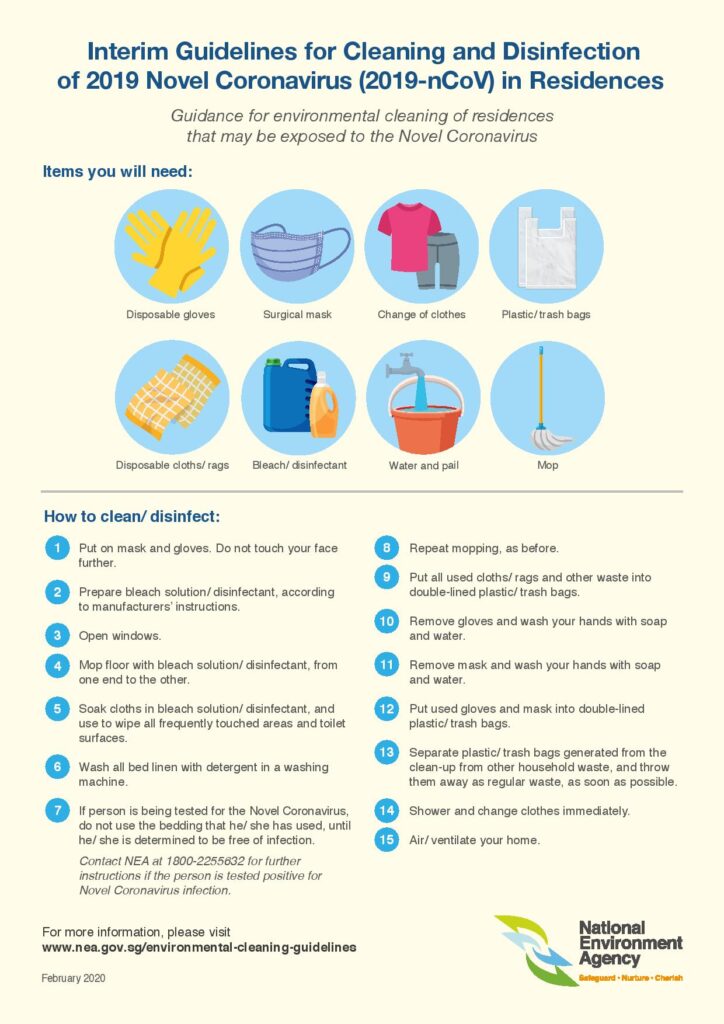
As we navigate the challenges of everyday life, it’s easy to forget about the importance of sanitizing our homes. Our living spaces should be a refuge from the world outside, but instead, they can become breeding grounds for germs and bacteria if not properly maintained. In this article, we’ll explore the benefits of sanitizing your home, provide practical tips on how to get started, and address common questions and misconceptions about sanitization.
Why Sanitize Your Home?
Sanitizing your home is essential for protecting yourself and your loved ones from the spread of illnesses. When you bring germs into your home on your hands, clothes, shoes, and personal items, they can quickly multiply and cause harm. Regular sanitization helps to reduce the risk of infection and promotes a healthy environment.
The Risks of Poor Sanitation
Poor sanitation can lead to a range of health problems, including:
- Respiratory infections
- Skin conditions
- Gastrointestinal illnesses
- Allergies and sensitivities
By maintaining good sanitation practices, you can significantly reduce the risk of these health problems and create a healthier living space for yourself and your family.
Understanding the Difference Between Cleaning and Sanitizing
Before we dive into the nitty-gritty of sanitizing, it’s essential to understand the difference between cleaning and sanitizing. Cleaning removes dirt, dust, and other debris from surfaces, while sanitizing kills germs and bacteria that can cause illness. It’s crucial to use the right techniques and products for each task.
The Importance of Timing
Sanitizing is most effective when done regularly. Aim to:
- Disinfect high-touch areas daily
- Sanitize entire rooms every week
- Deep clean your home seasonally
By following these tips, you’ll be well on your way to creating a healthier, more sanitized living space.
Frequently Asked Questions
Q: What are some effective ways to sanitize my home?
A: Regularly wipe down high-touch areas with a microfiber cloth and sanitizing solution. Use disinfectant sprays or wipes specifically designed for your surface type.
Q: Can I use regular soap and water to sanitize my home?
A: No, regular soap and water may not be enough to kill germs and bacteria. Use a disinfectant product specifically designed for sanitizing.
Q: How often should I sanitize my home?
A: Aim to disinfect high-touch areas daily and entire rooms every week. Deep clean your home seasonally.
Q: What are some common sanitization mistakes to avoid?
A: Using too much water or soap, not wearing gloves when handling chemicals, and not reading the label on your disinfectant product.
Q: Can I use a humidifier to sanitize my air?
A: No, while a humidifier can help maintain a healthy moisture level in your home, it’s not an effective way to sanitize the air. Use an air purifier or HEPA filter instead.
Sanitization Techniques and Products
1. Disinfectant Sprays and Wipes
Disinfectant sprays and wipes are effective for sanitizing high-touch areas like door handles, light switches, and countertops. Look for products that contain quaternary ammonium compounds (quats) or hydrogen peroxide as active ingredients.
2. Microfiber Cloths
Microfiber cloths are gentle on surfaces yet effective at picking up dirt and germs. Use a microfiber cloth with a sanitizing solution to wipe down high-touch areas.
3. Vinegar and Water Solution
A solution of equal parts water and white vinegar is a natural disinfectant. Mix the solution in a spray bottle and use it to sanitize surfaces.
Sanitization for Specific Surfaces
1. Countertops and Sinks
- Use a disinfectant spray or wipe specifically designed for countertops and sinks.
- Make sure to follow the manufacturer’s instructions and leave the product on for the recommended amount of time.
2. Floors
- Sweep or vacuum floors regularly to remove dirt and debris.
- Mop floors with a sanitizing solution, such as a mixture of water and white vinegar.
3. Carpets and Upholstery
- Vacuum carpets and upholstery regularly to remove dirt and debris.
- Use a carpet sanitizer or upholstery cleaner specifically designed for the type of fabric you have.
Common Misconceptions About Sanitization
Q: Can I use bleach to sanitize my home?
A: No, bleach is not effective against all types of germs and bacteria. It can also be toxic if inhaled or ingested.
Q: Do I need to wear gloves when sanitizing?
A: Yes, wearing gloves can help protect you from coming into contact with chemicals and germs.
Q: Can I use a sanitizing product on my skin?
A: No, sanitizing products are designed for surfaces, not skin. Use hand soap and water instead.
By following these tips and avoiding common misconceptions about sanitization, you’ll be well on your way to creating a healthier, more sanitized living space for yourself and your loved ones.
Conclusion
Sanitizing your home is an essential part of maintaining good health and preventing the spread of illnesses. By understanding the difference between cleaning and sanitizing, following regular sanitization schedules, and using effective techniques and products, you can create a healthier living space for yourself and your family. Remember to always follow the manufacturer’s instructions on any disinfectant product and take steps to protect yourself from chemicals. With these tips and guidelines, you’ll be well-equipped to tackle the task of sanitizing your home and creating a healthy environment for years to come.


