
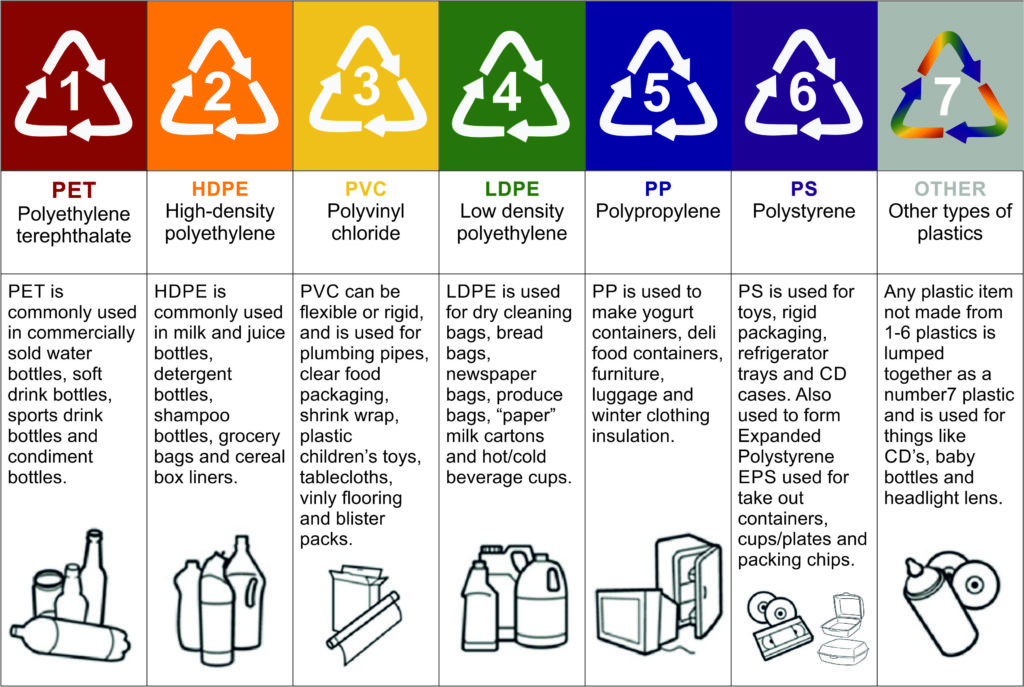
Understanding Polystyrene: Separating Fact from Fiction
As we go about our daily lives, it’s easy to overlook the materials that make up the products we use and discard. One such material is polystyrene (PS), commonly known as Styrofoam. We’ve all seen it used in packaging, insulation, and even as a disposable table covering. But have you ever stopped to think about where it comes from and how it ends up?
The Importance of Proper Disposal
Polystyrene is not biodegradable and can take hundreds of years to decompose. When it’s not disposed of properly, it can end up in our oceans, harming marine life and contaminating the food chain. In this article, we’ll delve into the world of polystyrene, exploring its properties, uses, and disposal methods.
What is Polystyrene?
Polystyrene is a type of plastic made from petroleum-based materials. It’s a thermoplastic, meaning it can be melted and reformed multiple times without undergoing any significant chemical change. This property makes it useful for packaging, insulation, and other applications where flexibility and lightness are important.
Types of Polystyrene
There are several types of polystyrene, including:
- Expanded Polystyrene (EPS): Also known as Styrofoam, EPS is made by expanding polystyrene beads into a lightweight, insulating material. It’s often used in packaging and foam cups.
- Cross-Linked Polystyrene (XPS): XPS is a more rigid form of polystyrene that’s often used in insulation and building applications. It’s made by cross-linking the polymer chains to create a stronger, more durable material.
Environmental Impact
The production and disposal of polystyrene have significant environmental impacts. Here are some of the key effects:
- Pollution: Polystyrene can leach chemicals into the environment, contaminating soil, water, and air.
- Marine Life: EPS waste can end up in oceans and harm marine life. Sea turtles, for example, often mistake foam cups and other EPS products for food, leading to ingestion and blockages.
- Landfills: Polystyrene takes hundreds of years to decompose, contributing to the growing problem of waste accumulation in landfills.
Where Should You Dispose of Polystyrene?
The disposal of polystyrene depends on its type and condition. Here are some general guidelines:
- Expanded Polystyrene (EPS): EPS can be disposed of in the same bin as plastic waste. However, it’s recommended to clean it thoroughly before disposing of it.
- Cross-Linked Polystyrene (XPS): XPS should not be disposed of with regular trash. Instead, it should be taken to a specialized recycling facility or dropped off at a local community recycling center.
Rome: The City That’s Taking Action
In Rome, the city has implemented a special collection system for polystyrene waste. Residents can deposit their EPS waste in designated bins and receive a discount on their waste management fees.
Milan: A New Approach to Recycling
In Milan, a new recycling initiative is underway that aims to reduce polystyrene waste by 75% over the next three years. The city is introducing a new collection system that prioritizes recyclable materials.
Naples: Cleaning Up the Coastline
In Naples, a local organization is working to clean up the coastline of discarded polystyrene waste. Volunteers are collecting EPS waste and recycling it into new products like plant pots and birdhouses.
The Future of Polystyrene Recycling
As we move forward, it’s essential that we prioritize polystyrene recycling. By supporting initiatives that promote sustainable practices and implementing efficient collection systems, we can reduce the amount of polystyrene waste in our environment.
Solutions for a More Sustainable Future
There are several ways to address the issue of polystyrene waste:
- Reduce: Reduce your use of products made from polystyrene.
- Reuse: Reuse items made from polystyrene whenever possible.
- Recycle: Recycle EPS and XPS through specialized programs or community recycling centers.
Frequently Asked Questions (FAQs)
- Is polystyrene biodegradable?
No, polystyrene is not biodegradable and takes hundreds of years to decompose. - Can I recycle EPS at home?
Yes, you can recycle EPS at home by cleaning it thoroughly before disposing of it in the plastic waste bin. - What happens to XPS after it’s collected?
XPS is typically sent to a specialized recycling facility where it’s processed into new materials like foam cups and packaging materials.


