
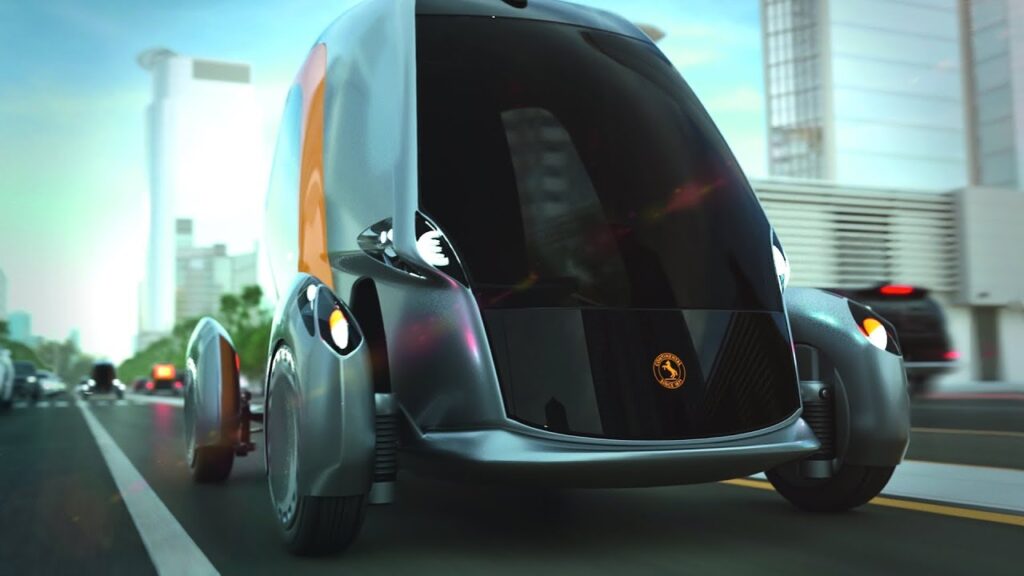
The Future of Transportation: Overcoming Doubts about Electric Cars
As I attended the Third Continental Observatory on Mobility and Security, I had the opportunity to discuss the perception of electric cars in Italy. The goal is to make a point on the current state of affairs regarding these vehicles, which will become more prominent in the coming years due to EU regulations.
The European Perspective: A Shift Towards Sustainable Transportation
By 2035, diesel and gasoline-powered cars will be phased out in Europe, making way for electric vehicles. The aim is to reduce CO2 emissions by at least 55%. Today, there are many open questions, and the conference aimed to clarify the situation through the contributions of Massimo Nordio, Vice President Group Government Relations and Public Affairs Volkswagen Group Italia S.p.A., Alessandro de Martino, Amministratore Delegato of Continental Italy, Andrea Marinoni, partner of Kearney, Alessandra Ghisleri, director of EuroMedia Research.
Understanding Consumer Expectations
Alessandra Ghisleri presented some findings from the Euromedia Research study conducted between September 8 and 15, 2021. The survey involved 3,000 Italian citizens aged 18-75. The results showed that:
- 76.8% of respondents expressed interest in participating in the transition to electric vehicles
- However, several barriers hinder their adoption: high costs, despite government incentives; concerns about limited autonomy and inadequate infrastructure
- Economic factors are the primary weakness of electric cars: 62.8% of consumers stated they couldn’t afford one
- Only 30% of respondents were convinced by the age-old notion that governments would provide subsidies to encourage electric vehicle adoption
Range Anxiety: A Growing Concern
Although Italians have a clear understanding of what an electric car is and how it differs from hybrid vehicles, some misconceptions persist. For example:
- They incorrectly believe that electric cars require more maintenance than gasoline-powered cars
- They overestimate the number of kilometers driven by the average driver and assume limited autonomy would be a significant concern
The Italian-EU Gap in Electric Vehicle Demand
Andrea Marinoni presented data from the Sharing Mobility ICS study conducted by Kearney. Italy lags behind other European countries in terms of electric vehicle demand, with only 4% of total sales in 2020 compared to 10% in Europe.
Communicating Effectively: The Key to Success
Massimo Nordio emphasized the importance of effective communication for the automotive industry. This includes:
- Addressing misconceptions about the environmental impact of electric cars
- Highlighting the cost savings associated with owning an electric vehicle
- Encouraging consumers to try out electric cars through hands-on experience
A Call to Action: Collaboration and Education
Continental, the organizer of the observatory, aims to educate consumers and promote a seamless transition to sustainable transportation. This involves collaboration among various stakeholders, including:
- Automakers
- Energy providers
- Retailers
- Consumers
By working together, we can overcome the current challenges and achieve the EU’s goals for sustainable transportation.
The Role of Technology in Electric Vehicle Adoption
Technological advancements are playing a crucial role in addressing the limitations of electric vehicles. For instance:
- Advancements in battery technology have increased range and reduced costs
- Improvements in charging infrastructure have made long-distance travel more feasible
- The development of autonomous driving technologies is expected to increase consumer confidence in electric vehicles
The Impact of Government Policies on Electric Vehicle Adoption
Government policies are also playing a significant role in promoting the adoption of electric vehicles. For example:
- Incentives for purchasing electric vehicles, such as tax credits or rebates
- Investments in charging infrastructure, making it easier for consumers to own and operate electric vehicles
- Regulations that restrict or ban the sale of internal combustion engines
The Benefits of Transitioning to Sustainable Transportation
Transitioning to sustainable transportation offers numerous benefits, including:
- Reduced greenhouse gas emissions, which contribute to climate change
- Improved air quality, which can help mitigate the negative impacts of air pollution on human health
- Enhanced economic growth, as the transition to sustainable transportation creates new industries and jobs
Challenges Ahead: Addressing the Current Limitations of Electric Vehicles
Despite the progress made in electric vehicle technology, there are still several challenges that need to be addressed. For example:
- The high upfront costs of electric vehicles, which can make them less accessible to consumers
- Limited charging infrastructure, which can restrict consumer mobility and range anxiety
- Misconceptions about the environmental impact of electric vehicles, which can hinder adoption
Conclusion: The Future of Transportation is Electric
The future of transportation is electric, and it’s up to us to make it happen. By understanding consumer expectations, addressing range anxiety, and promoting effective communication, we can create a more sustainable and environmentally friendly transportation system.
Frequently Asked Questions (FAQs)
- What are the main barriers to adopting electric vehicles in Italy?
- High costs
- Limited autonomy
- Inadequate infrastructure
- How do consumers perceive electric cars, and what misconceptions exist?
- They believe they require more maintenance than gasoline-powered cars
- They overestimate the number of kilometers driven by the average driver
- Why is there a gap between Italy and other European countries in terms of electric vehicle demand?
- Italy lags behind due to its economic situation and limited infrastructure
- What can be done to address range anxiety and promote adoption of electric vehicles?
- Encourage consumers to try out electric cars through hands-on experience
- Address misconceptions about the environmental impact of electric cars
- How can collaboration among stakeholders lead to a successful transition to sustainable transportation?
- Collaboration between automakers, energy providers, retailers, and consumers is necessary
- What role does communication play in promoting adoption of electric vehicles?
- Effective communication is crucial for addressing misconceptions and encouraging consumer adoption
- How can governments support the transition to sustainable transportation?
- Governments should provide incentives for adopting electric vehicles, invest in infrastructure development, and promote education programs
- What are the benefits of transitioning to sustainable transportation?
- Reduced greenhouse gas emissions
- Improved air quality
- Enhanced economic growth


