
The Power of Spinach: A Guide to Cultivation, Care, and Nutrition
Introduction
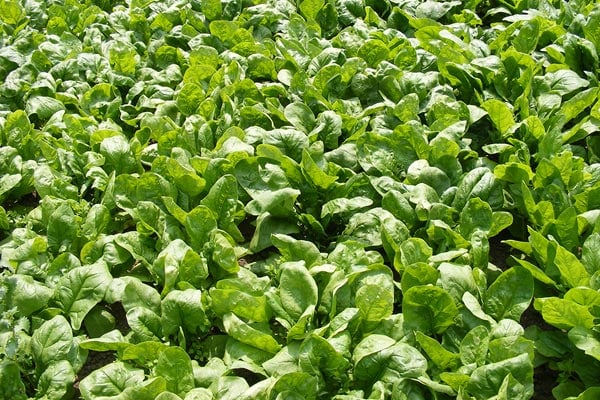
Spinach is a highly appreciated vegetable in winter but also in spring! It grows quickly, so within two months, it’s ready for harvest. Whether you’re a seasoned gardener or just starting out, spinach is an excellent addition to your garden or vase cultivation. In this article, we’ll explore the world of spinach, from its cultural requirements and care to its beneficial properties and culinary uses.
Contents
- Spinach: The Plant
- Spinach: Cultivation and Care
- Cultivating Spinach in a Vase
- How to Sow Spinach
- Association of Spinach with Other Plants in the Garden
- Cultivating Spinach and Moon Phases
- Harvesting Spinach
- Beneficial Properties of Spinach
Spinach: The Plant
Spinach is an annual herbaceous plant belonging to the Chenopodiaceae family, the same as beets. Its botanical name is Spinacia oleracea, and there are many varieties of this species. Among the most loved varieties, we mention Matador, a precocious early spring variety.
The Matador variety is particularly appreciated for its large leaves with moderate bollosity. It resists cold well.
The Gladiator variety is also perfect for sowing in early spring. Its dark, bulging leaves are very impressive.
For autumn sowing, the Butterfly variety is more suitable, as it resists cold. This variety is highly recommended for those who want to cultivate spinach in the North, due to its resistance.
The Gigante d’Inverno spinach variety also resists cold well. Its large and fleshy leaves are impressive.
Spinach: Cultivation and Care
Spinach can be cultivated in spring and autumn because it thrives at a temperature between 10-15°C and is very resistant to frost. Only at temperatures below 5°C does its growth slow down.
Spinach requires a light soil. If your garden has clayey soil, you’ll need to do some preliminary work to prepare the planting area.
If your soil is clayey, mix sand into the soil when preparing the bed for spinach cultivation. This will also benefit future crops.
Spinach plants require constant irrigation. Clayey soil is bad news for spinach, as it fears water stagnation. For winter spinach, rain should suffice, while for spring spinach, you’ll need to water them regularly, especially above 20°C. Keep in mind that water availability affects plant growth!
In the garden, spinach doesn’t need special fertilization. Only if your soil is very poor will you need to add a pre-seed fertilizer. You can also use compost during vangatura.
If you’ve already fertilized with compost, after spinach cultivation, you can follow traditional crop rotation practices. In the area where you grew spinach, you can plant zucchini, squash, peppers, cucumbers, eggplants, and okra.
Cultivating Spinach in a Vase
For growing spinach in a vase, you’ll need to organize with deep pots that allow for good air circulation. Pot size varies depending on the variety, but ideally, each plant should have about 30 cm of space around it.
To determine the right pot size, consult the seed package or refer to the next section dedicated to sowing.
For growing spinach in a vase, choose a light soil that drains well and is aerated. Better still, add organic matter.
Cultivating Spinach: Sowing
Spinach can be sown either at a spaglio (scatter) or on a file.
How to sow spinach at a spaglio:
Be careful not to overcrowd the plants.
Unlike other vegetables, you won’t need to remove weeds; instead, you can use them in salads or omelets. In contrast to other circumstances, during sowing, it’s okay to eliminate more developed plants, as they’ll be used for their tender leaves.
How to sow spinach on a file:
Space the rows at about 30 cm apart. Distance between each plant should equal the height reached by the plant. If you’re unsure, consult the seed package.
Sow seeds shallowly: only cover them with a thin layer of soft soil (about 1 cm).
Association of Spinach with Other Plants in the Garden
Spinach can be planted alongside potatoes, tomatoes, cabbage, beans, and radishes, but not near red turnips.
Cultivating Spinach and Moon Phases
In our garden or during vase cultivation, spinach is harvested before maturity but… if you let it grow, the plants will produce flowers. Spinach is a dioecious plant, only its female flowers produce seeds that, thanks to the wind, can spread as delicious weeds.
For this reason, we must cultivate spinach with the lunar phase of “calm” moon, just like potatoes and onions. For more information on understanding when the moon is in different phases, refer to our article: Moon and Sowing.
Harvesting Spinach
Spinach harvesting occurs gradually. Remove mature plants or harvest individual leaves from larger rosettes.
If you’ve decided to cultivate spinach in a vase, it’s recommended to harvest individual leaves to encourage new leaf growth.
To harvest entire plants, use a knife to cut (down to 2 cm) the basal plate of the plant.
Harvesting can only be done on an absolutely dry day, and when both the plant and soil are not waterlogged.
If you notice large, fibrous leaves, don’t throw them away! You can make an excellent spinach puree by blending them in a mixer.
Beneficial Properties of Spinach
Spinach is highly appreciated for its nutritional properties. It’s a rich source of vitamins A and C, as well as other essential nutrients like vitamin B, D, F, PP, and K.
Some of the main beneficial properties of spinach include:
- Rich in nutrients: Spinach is an excellent source of essential vitamins and minerals.
- Antioxidant properties: Spinach contains antioxidants such as vitamin C, vitamin E, and beta-carotene that help protect cells from damage by free radicals.
- Reduces risk of various diseases: The nutrients and antioxidant properties of spinach can help reduce the risk of obesity, heart disease, and type 2 diabetes.
- Improves vision: Spinach contains lutein and zeaxanthin, essential for eye health and may help prevent age-related macular degeneration.
- Anti-inflammatory properties: Spinach contains compounds that may help reduce inflammation in the body, which can help prevent chronic diseases.
- Supports bone health: Spinach is a rich source of calcium, essential for maintaining strong bones.
In summary, spinach is a wonderful addition to any garden or vase cultivation. Its nutritional properties make it an excellent choice for those looking to improve their health and wellbeing. By following the tips and guidelines outlined in this article, you’ll be able to cultivate spinach like a pro and enjoy its numerous benefits.
Frequently Asked Questions
Q: What is the best variety of spinach to grow?
A: The best variety of spinach to grow depends on your location, climate, and personal preferences. Some popular varieties include Matador, Gladiator, Butterfly, and Gigante d’Inverno.
Q: How often should I water my spinach plants?
A: Spinach plants require constant irrigation, especially in clayey soil. For winter spinach, rain should suffice, while for spring spinach, you’ll need to water them regularly, especially above 20°C.
Q: Can I grow spinach in a vase?
A: Yes, you can grow spinach in a vase! Choose deep pots that allow for good air circulation and use a light soil that drains well and is aerated. Better still, add organic matter.
Q: How do I harvest my spinach plants?
A: Spinach harvesting occurs gradually. Remove mature plants or harvest individual leaves from larger rosettes. If you’ve decided to cultivate spinach in a vase, it’s recommended to harvest individual leaves to encourage new leaf growth.
Q: What are the beneficial properties of spinach?
A: Spinach is highly appreciated for its nutritional properties. It’s a rich source of vitamins A and C, as well as other essential nutrients like vitamin B, D, F, PP, and K. Some of the main beneficial properties of spinach include:
- Rich in nutrients
- Antioxidant properties
- Reduces risk of various diseases
- Improves vision
- Anti-inflammatory properties
- Supports bone health
Q: Can I use fresh spinach leaves for cooking?
A: Yes, you can use fresh spinach leaves for cooking! Spinach is a versatile vegetable that can be easily incorporated into various diets and cooked with simple recipes.
Q: How do I store my harvested spinach leaves?
A: You can store your harvested spinach leaves in an airtight container in the refrigerator. Use them within a few days of harvesting for best flavor and nutrition.
Q: Can I grow spinach in containers?
A: Yes, you can grow spinach in containers! Choose deep pots that allow for good air circulation and use a light soil that drains well and is aerated. Better still, add organic matter.


