
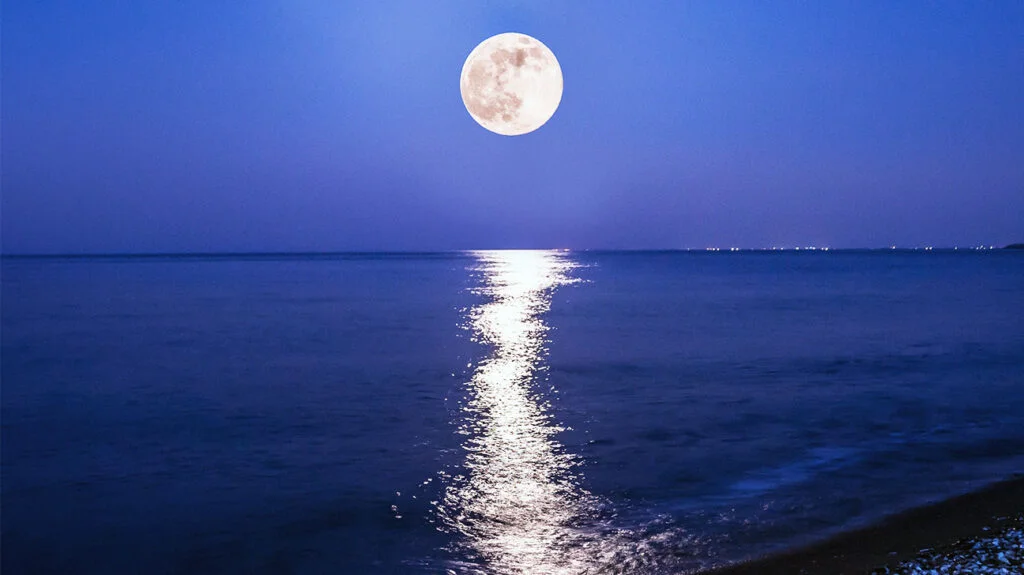
The Power of the Full Moon: Understanding its Significance and Effects
When we gaze up at the full moon, many of us are drawn in by its beauty and mystique. But have you ever stopped to think about what it means? From influencing our emotions and behavior to impacting everything from tides to agriculture, the full moon has a profound impact on our lives.
The Science Behind the Full Moon
So, what exactly is the full moon? It’s the point in time when our satellite is reflecting the maximum amount of light towards us. This phenomenon occurs every 29.5 days, marking the completion of a lunar cycle. The human obsession with the full moon dates back thousands of years, inspiring countless works of art, literature, and even scientific inquiry.
The full moon’s cycles have been extensively studied by astronomers and geologists. They found that there are several factors contributing to the occurrence of full moons:
- Lunar Cycle: A lunar cycle is the period between successive new moons or full moons. On average, a lunar cycle lasts about 29.5 days.
- Ecliptic: The ecliptic is an imaginary line in the sky that marks the path of the Sun, Moon, and planets as they move around the Earth.
- Orbital Period: The orbital period is the time it takes for a celestial body to complete one orbit around its parent body.
The Effects of the Full Moon
Research has shown that the full moon can have a significant impact on our behavior, mood, and overall well-being. For instance:
- Studies have found that people are more likely to engage in reckless or impulsive behavior during this time.
- The full moon has been linked to an increase in emergency room admissions for accidents and injuries.
- Some research suggests that the full moon can even affect our sleep patterns, with some individuals reporting difficulty falling asleep or staying asleep.
The effects of the full moon on human behavior are still not fully understood. Scientists have proposed several theories:
- Lunar Cycle Hypothesis: This hypothesis proposes that the full moon’s cycles influence human behavior due to a supposed synchronization between the lunar cycle and our biological rhythms.
- Hormonal Changes: Some researchers suggest that hormonal changes during the full moon may contribute to increased impulsivity and aggression.
- Social Influence: Another theory suggests that social influences, such as cultural norms and expectations, play a role in shaping our behavior during the full moon.
The Cultural Significance of the Full Moon
But the full moon’s influence extends far beyond the realm of science. In many cultures, it has been revered as a symbol of magic and mystery. From ancient mythology to modern-day folklore, the full moon has captivated human imagination for centuries.
- Folklore and Tradition: Many societies have developed unique customs and practices tied to the full moon, such as rituals for fertility or protection.
- Literature and Art: The full moon has inspired countless works of literature and art throughout history, from Shakespeare’s Sonnet 55 to Salvador Dalí’s surrealist paintings.
Some cultures believe that the full moon holds spiritual significance:
- African Traditions: In some African cultures, the full moon is associated with fertility and protection.
- Hindu Mythology: The full moon is linked to the god of the sky, Indra.
- Chinese Folklore: The full moon is believed to possess magical powers in Chinese mythology.
The Role of the Full Moon in Agriculture
In addition to its effects on human behavior, the full moon also plays a crucial role in agriculture. Many farmers believe that the lunar cycle influences plant growth and harvests, with some even scheduling planting and pruning activities according to the moon’s phases.
- Plant Growth: Research suggests that the full moon can stimulate plant growth and increase crop yields.
- Harvest Timing: Some farmers claim that the full moon is essential for optimal harvesting conditions, citing improved fruit quality and quantity.
Agricultural practices influenced by the full moon include:
- Lunar Crops: Some crops are harvested according to the lunar cycle.
- Pruning Practices: Farmers may prune their plants during specific phases of the lunar cycle to optimize growth.
- Irrigation Scheduling: Irrigation schedules may be adjusted based on the full moon’s cycles.
The Power of the Full Moon: Putting it All Together
As we explore the many facets of the full moon, it’s clear that this celestial event has a profound impact on our lives. Whether it’s influencing our emotions, behavior, or even agriculture, the full moon is a powerful force to be reckoned with.
While the scientific explanations for the full moon’s effects are still debated, its cultural significance and influence on human behavior are undeniable. By embracing the mystery of the full moon, we can gain a deeper understanding of ourselves and the world around us.
Frequently Asked Questions
Q: Can the full moon really affect my sleep patterns?
A: While some research suggests a link between the full moon and disrupted sleep, more studies are needed to confirm this claim.
Q: How does the full moon impact agriculture?
A: Many farmers believe that the lunar cycle plays a crucial role in plant growth and harvests, although scientific evidence supporting these claims is limited.
Q: Can I harness the power of the full moon for personal gain?
A: Some people swear by the benefits of using the full moon for meditation, healing, or other spiritual practices. However, there is no concrete evidence to support these claims.
Q: How does the full moon affect my relationships?
A: While the full moon may not directly impact our romantic relationships, it can influence our mood and behavior, potentially affecting interactions with loved ones.
Q: Can I predict future events using the full moon?
A: Unfortunately, there is no scientific basis for using the full moon as a predictor of future events.


