
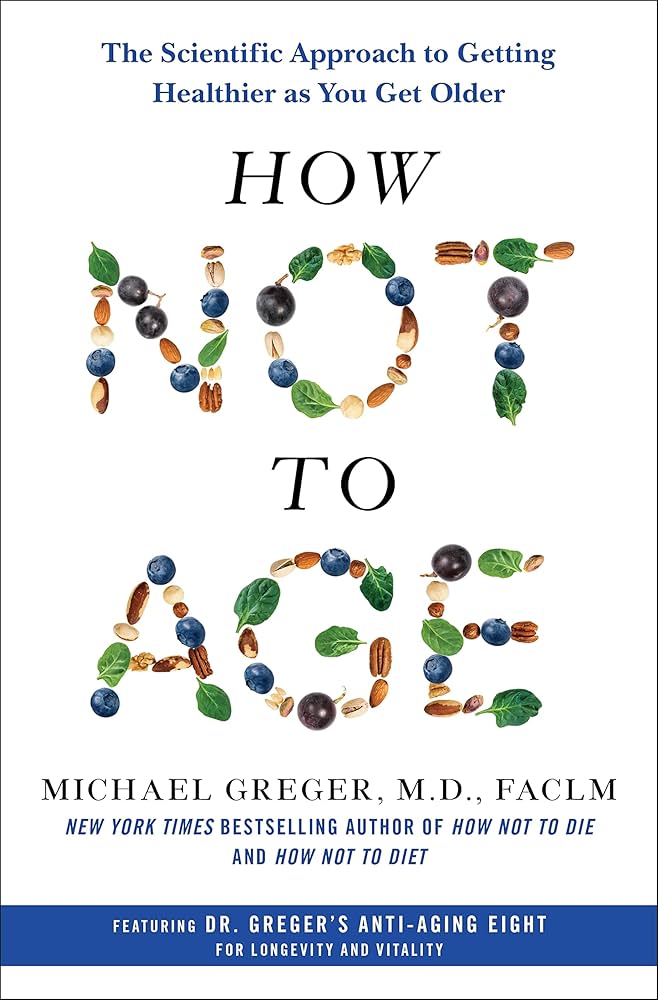
As we continue to push the boundaries of human lifespan, it’s essential to explore the latest research and discoveries that can help us maintain our physical and mental well-being. In this article, we’ll delve into the top three reasons why we’re living longer, and what we can do to ensure that our bodies and minds remain healthy and vibrant for years to come.
The Science of Living Longer
According to a recent study by the Office for National Statistics in the UK, one in three children born today is expected to reach the age of 100. The average life expectancy in the UK is now 91 years for males and 94 years for females. But what’s driving this trend?
Three key factors are contributing to our increasing lifespan:
- Advances in Medical Care: Improved treatments and interventions, such as surgery and medications, have significantly reduced mortality rates from diseases like cancer, heart disease, and stroke.
For instance, the development of targeted therapies has led to a significant decrease in the number of deaths from breast cancer. Similarly, advances in cardio-pulmonary resuscitation (CPR) have improved survival rates for cardiac arrest victims.
- Healthier Diets and Lifestyle Habits: A growing proportion of the population is adopting healthier diets and exercise habits, which are having a positive impact on our overall health.
Studies have shown that regular consumption of fruits, vegetables, whole grains, and lean proteins can help reduce the risk of chronic diseases like heart disease, diabetes, and certain cancers. Additionally, incorporating physical activity into your daily routine has been proven to improve cardiovascular health, boost mental well-being, and enhance sleep quality.
- Reduced Smoking Rates: As smoking rates decline, so too do the number of premature deaths related to tobacco use.
The World Health Organization (WHO) estimates that smoking cessation can add up to 10 years to a person’s life expectancy. Furthermore, reducing exposure to secondhand smoke can also have significant health benefits for those around smokers.
The Italian Advantage: Unlocking the Power of Mediterranean Diets
Italy has one of the highest life expectancies in Europe, thanks in large part to its traditional Mediterranean diet, rich in fruits and vegetables. But how can we apply this knowledge to our own lives?
While it’s impossible to replicate the exact same lifestyle as Italians, incorporating more whole foods, nuts, and healthy fats into your diet can have a significant impact on your overall health.
The Mediterranean diet has been shown to:
- Reduce the risk of cardiovascular disease
- Lower blood pressure
- Help manage type 2 diabetes
- Improve cognitive function
Some key components of the Mediterranean diet include:
- Fruits: Consuming at least five servings per day, with a focus on berries, citrus fruits, and stone fruits
- Vegetables: Eating a variety of colorful vegetables, including leafy greens, bell peppers, and eggplants
- Whole grains: Incorporating whole grain bread, pasta, rice, and cereals into your diet
- Nuts and seeds: Snacking on almonds, walnuts, pumpkin seeds, and chia seeds
- Healthy fats: Consuming moderate amounts of olive oil, avocado, and fatty fish like salmon and sardines
The Quest for Eternal Youth: Unlocking the Secrets of Cellular Regeneration
Researchers are exploring new ways to slow down cellular aging, with promising results. One potential breakthrough is the use of rapamycin, which has been shown to increase lifespan in animal studies.
Rapamycin works by inhibiting mTOR (mechanistic target of rapamycin), a protein that regulates cell growth and division. By blocking mTOR, rapamycin can help slow down cellular aging and promote healthy aging.
Another promising area of research is the use of metformin, a medication commonly used to treat type 2 diabetes.
Metformin has been shown to:
- Improve insulin sensitivity
- Reduce inflammation
- Promote cellular cleaning (autophagy)
- Lower oxidative stress
However, it’s essential to note that while these interventions show promise, more research is needed to fully understand their effects on human health and longevity.
Mind Over Matter: The Power of Mental Exercise
But what about our minds? Can we truly “not age” if we don’t challenge ourselves mentally?
The answer lies in mental exercise. Engaging in activities that stimulate your brain, such as puzzles, strategy games, or learning a new skill, can help build cognitive reserve and reduce the risk of age-related cognitive decline.
Here are some ways to incorporate mental exercise into your daily routine:
- Puzzles: Engage with crosswords, Sudoku, chess, or other brain teasers
- Strategy games: Play Scrabble, Bridge, or Poker to challenge your problem-solving skills
- Learning a new skill: Take online courses, attend workshops, or join a book club to learn something new
- Meditation and mindfulness: Practice mindfulness meditation, yoga, or tai chi to improve focus and concentration
The Dalai Lama’s Wisdom: Embracing the Present
As the Dalai Lama once said, “People in the West lose their health to gain money, and then they lose their money to regain their health. They are worried about the future; they should learn to live in the present.”
So, what can we do to apply this wisdom to our own lives?
- Practice Mindfulness: Take time each day to focus on the present moment, without judgment or distraction
- Cultivate New Relationships: Expand your social circle and challenge yourself to meet new people
- Stay Active: Regular exercise, whether it’s walking, running, or yoga, can help keep your body and mind healthy
By incorporating these simple habits into your daily routine, you can start to experience the benefits of a healthier, more vibrant lifestyle.
Conclusion
While we may not be able to turn back the clock entirely, there are many ways to take control of our health and wellbeing. By incorporating a balanced diet, regular exercise, mental stimulation, and mindfulness practices into our daily lives, we can reduce the risk of age-related diseases and maintain our physical and mental vitality for years to come.
Remember, aging is a natural process that requires patience, self-care, and a willingness to learn and adapt. By embracing these principles, you can unlock your full potential and live a life that’s truly fulfilling.
Frequently Asked Questions
- Q: What’s the most effective way to slow down cellular aging?
A: While there is no single answer, research suggests that a combination of diet, exercise, stress management, and mental stimulation can have a significant impact on our overall health. - Q: Can I still live a healthy life if I’m over 40?
A: Absolutely! Regular exercise, a balanced diet, and mental stimulation can help you maintain your physical and mental health well into old age. - Q: How can I reduce my risk of cognitive decline?
A: Engage in mentally stimulating activities, such as puzzles, strategy games, or learning a new skill, to build cognitive reserve and reduce the risk of age-related cognitive decline. - Q: What’s the best way to manage stress?
A: Practice mindfulness, meditation, or yoga to help reduce stress and improve your overall wellbeing. - Q: Can I really “not age” if I follow a healthy lifestyle?
A: While it’s not possible to completely halt the aging process, incorporating a balanced diet, regular exercise, mental stimulation, and mindfulness practices into your daily life can significantly reduce the risk of age-related diseases and maintain your physical and mental vitality for years to come.


