
As we continue to face the challenges of environmental pollution, it’s becoming increasingly clear that traditional methods of water purification are no longer enough. This is where fitodepurazione, a natural and effective process, comes into play.
In this article, we’ll delve into the world of plant-based water purification, exploring its principles, applications, and benefits. We’ll also discuss the different types of systems used in fitodepurazione, their advantages, and how they can be integrated into existing water treatment infrastructure.
What is Fitodepurazione?
Fitodepurazione is a type of natural water purification that uses plants to remove contaminants and pollutants from water sources. The term “fito-” comes from the Greek word for “plant,” while “depurare” means to purify or cleanse. This process leverages the unique properties of plant-based systems, which create an environment conducive to microbial growth.
How Does Fitodepurazione Work?
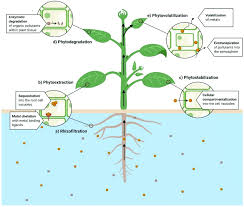
Fitodepurazione relies on a symbiotic relationship between plants and microorganisms, such as bacteria and fungi, that break down organic matter and remove pollutants from water. The process involves several stages:
- Plant Growth: Plants absorb nutrients from the water, creating an environment rich in organic compounds.
- Microbial Colonization: Microorganisms colonize the plant roots, leading to a complex network of microbial interactions.
- Decomposition: Microbes break down organic matter, releasing nutrients that support further plant growth.
- Water Filtration: The combination of plant growth and microbial activity filters out pollutants, resulting in purified water.
Types of Fitodepurazione Systems
Fitodepurazione systems can be broadly categorized into two main types: microfite and macrofite systems.
- Microfite Systems: These systems use algae or other unicellular organisms to break down organic matter. They are often used for small-scale applications.
- Macrofite Systems: These systems employ plants with above-ground growth, such as aquatic plants, to purify water. They can be used in various settings.
Applications of Fitodepurazione
Fitodepurazione has numerous applications across various industries:
- Water Treatment: Fitodepuracja is increasingly being used for large-scale water treatment projects.
- Agricultural Irrigation: Plants can be integrated into agricultural systems to improve soil health and reduce chemical use.
- Wastewater Management: Fitodepurazione can be used as a supplementary treatment method for wastewater.
Benefits of Fitodepurazione
Fitodepurazione offers several advantages over traditional water purification methods:
- Low Operating Costs: Plants require minimal maintenance, reducing operational expenses.
- Environmental Sustainability: Fitodepurazione promotes ecological balance by mimicking natural processes.
- Improved Water Quality: The system produces high-quality water with reduced chemical use.
Designing and Implementing a Fitodepurazione System
To set up a fitodepurazione system, several considerations must be taken into account:
- Plant Selection: Choose plant species suitable for the desired application.
- Substrate Preparation: Ensure proper substrate preparation to support plant growth.
- Microbial Colonization: Foster microbial colonization by introducing beneficial microorganisms.
Challenges and Limitations
While fitodepurazione offers several advantages, there are also challenges and limitations that need to be addressed:
- Scalability: Fitodepuracja systems can be challenging to scale up for large-scale applications.
- Cost: While plants require minimal maintenance, the initial investment in a fitodepuración system may be higher than traditional methods.
- Monitoring and Maintenance: Regular monitoring and maintenance are necessary to ensure optimal performance.
Future Directions
As research and development continue, we can expect to see advancements in fitodepurazione technology:
- New Plant Species: Scientists are exploring the use of new plant species that have been shown to be more effective at removing pollutants from water.
- Improved Microbial Colonization: Researchers are working to improve microbial colonization techniques, leading to better performance and scalability.
- Integration with Other Technologies: Fitodepurazione systems may be integrated with other technologies, such as solar power or bioreactors, to enhance their effectiveness.
Conclusion
Fitodepurazione is a versatile and effective method for water purification, offering numerous benefits over traditional methods. By leveraging the power of plants and microorganisms, fitodepuracja can help address environmental challenges while promoting ecological balance. As we move forward in our quest for sustainable solutions, it’s essential to explore innovative technologies like fitodepurazione.
Frequently Asked Questions
- What is the history of fitodepurazione?
Fitodepuracja has its roots in ancient civilizations that recognized the importance of plants in water purification. However, modern research and development have led to a better understanding of this process. - How does fitodepurazione compare to traditional water treatment methods?
Fitodepuracja offers several advantages over traditional methods, including lower operating costs, environmental sustainability, and improved water quality. - Can fitodepurazione be used for wastewater treatment?
Yes, fitodepurazione can be employed as a supplementary treatment method for wastewater, reducing the amount of pollutants released into the environment. - What are some potential challenges associated with fitodepurazione?
Challenges may include selecting suitable plant species, ensuring proper substrate preparation, and fostering microbial colonization.


